Insights on Dgca

Explore articles and updates related to Dgca in the aviation and drone industry.

India Positioned Third Among the Largest Aviation Markets
AviationTraining Aviation

India Positioned Third Among the Largest Aviation Markets

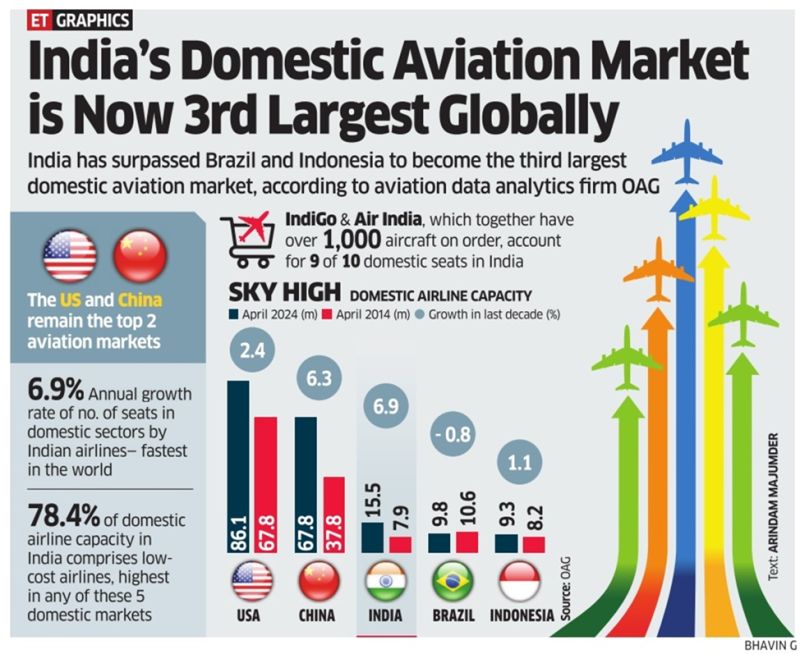
India is the world’s third-fastest-growing domestic aviation market, with an annual growth rate of 10–12 per cent, according to Ram Mohan Naidu, the Indian Civil Aviation Minister. At the World Economic Forum in Davos, he outlined the government’s longstanding vision for India’s civil aviation industry, highlighting determined expansion plans and growing industry demand. The government will expand India’s airport network to 350 airports by 2047, up from the present 164, while Indian airlines have placed orders for approximately 1,700 new aircraft, signalling robust growth in capacity and passenger demand. On international cooperation, Naidu met with EU Transport Commissioner Apostolos Tzitzikostas to discuss strengthening the partnership between the EU Aviation Safety Agency and India’s DGCA. The main areas of discussion comprised joint certification, cybersecurity and drone regulations. The minister also met separately with Airbus and Boeing , advising them to establish aircraft component manufacturing, maintenance, repair and overhaul facilities in India. He highlighted the development of helicopter services to support tourism, emergency medical services, and regional connectivity. Naidu, the aviation minister, when speaking with global investors at the India Pavilion in Davos, emphasized the importance of fuel competence and the acceptance of Sustainable Aviation Fuel to decrease working costs, thus making air travel more reasonably priced for passengers. He presented India’s aviation transformation through visual presentations, generating strong interest among international delegates. Source: Construction World

Saheel Singh 29 Jan 2026
DGCA Introduces an EPL Service for ATPL
ATPL DGCA

DGCA Introduces an EPL Service for ATPL

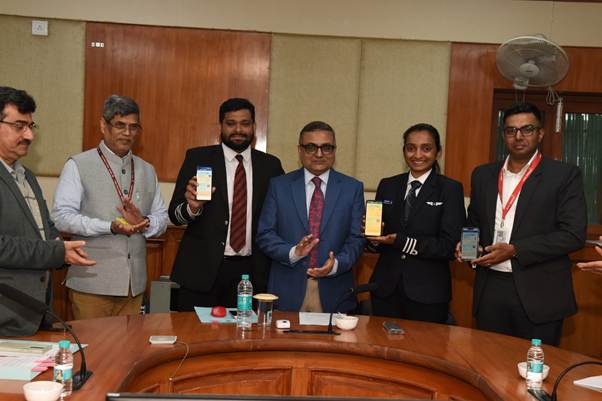
The EPL or the Electronic Personnel Licensing services for ATPL were launched by the DGCA on 21 st January 2026 at a ceremony, which took place at the headquarters of the aviation authority. This service was a key breakthrough in its digital transformation journey. Speaking at the event, the aviation regulatory authority emphasized that the EPL initiative is an important step towards strengthening India's civil aviation regulatory mechanism through secure, modern and future-ready digital systems. The DGCA teams and technology partners were congratulated by the Director General for their efforts in executing this initiative, and the Director General cherished the cooperation extended by the aviation industry and investors in accepting the new system. The EPL is a secure digital license that includes ICAO-compliant security features to guarantee authenticity, prevent tampering and allow quick verification. The EPL can be accessed through the eGCA mobile application. The DGCA mainly launched EPL in February 2025, introducing the CPL and Flight Radio Telephone Operator Licenses. With the initiation of the EPL services for ATPL, the DGCA additionally improves efficiency, transparency and service delivery in the aviation industry. Source: Press Information Bureau

Saheel Singh 27 Jan 2026
22 Crore Fined on IndiGo for Massive Flight Disruptions in December
Indigo FDTL

22 Crore Fined on IndiGo for Massive Flight Disruptions in December

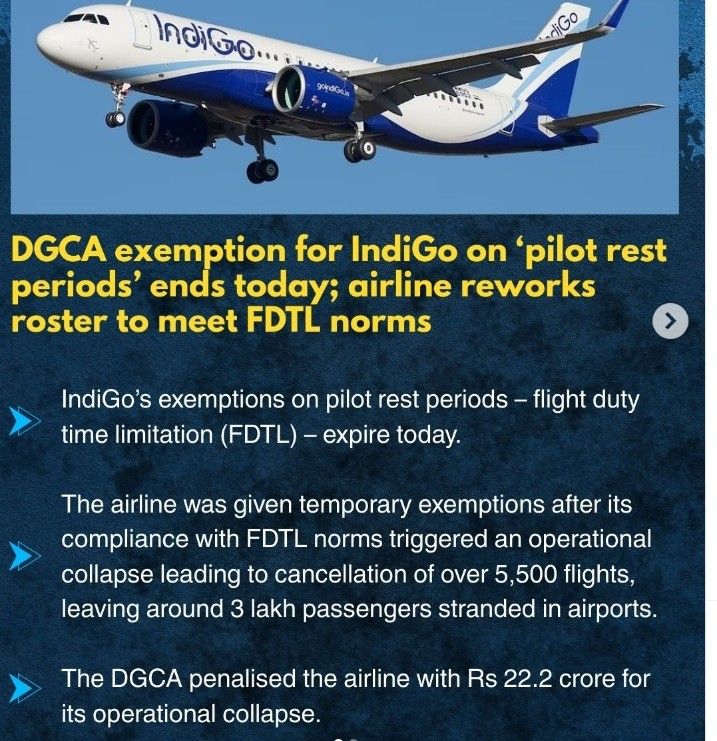
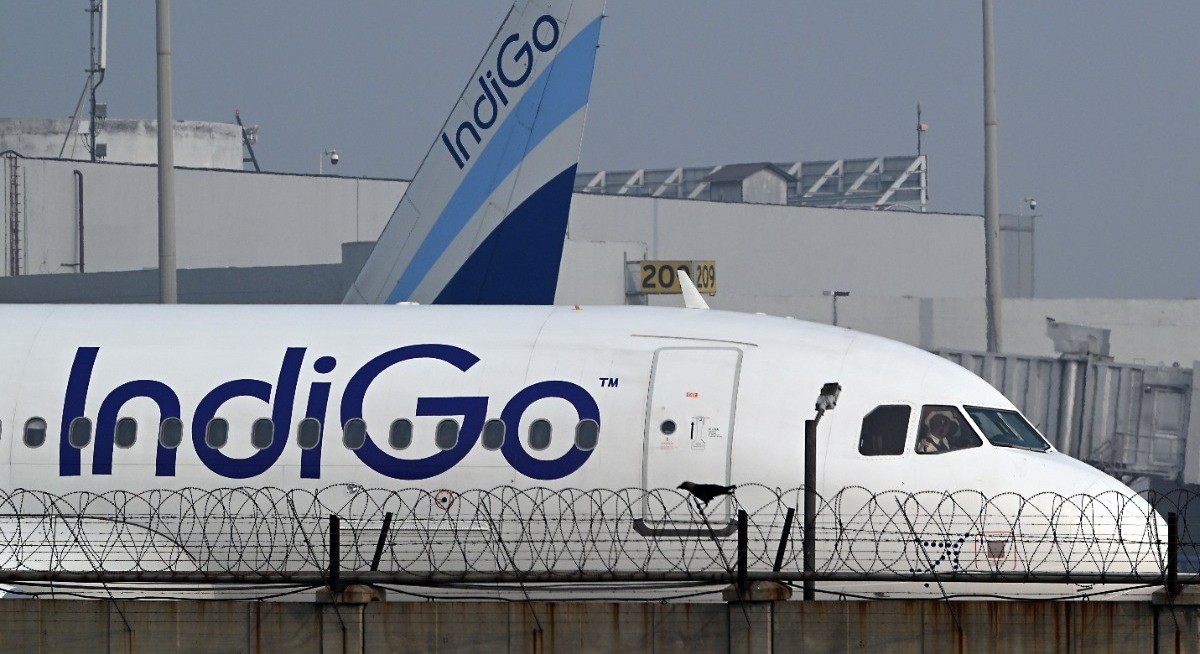
A Rs 22.20 crore penalty has been imposed on IndiGo and action has been taken against its management for the massive flight disruptions in December 2025. The chairman and members of InterGlobe Aviation Ltd, the firm that owns Indigo, confirmed they have received the DGCA's orders and will take appropriate action. Why did the Disruptions Happen? An inquiry committee, set up by the DGCA on the directions of the Ministry of Civil Aviation, found that the main causes were over-optimization of operations, insufficient regulatory preparedness, weak software systems and inadequacies in management oversight at IndiGo. IndiGo was unable to maintain adequate operational buffers and did not implement the revised flight duty time limitation (FDTL) norms as required. Crew rosters were designed to maximize use, relying heavily on deadheading, tail swaps and long duty hours, which decreased the time for recovery and compromised working efficacy. Action Against Management The DGCA issued a caution to the IndiGo CEO for insufficient overall oversight and crisis management. A warning is issued to the accountable manager for failing to evaluate the impact of the winter schedule 2025 and revised FDTL norms. A warning was issued to the senior vice president, directing that he be relieved of his current operational responsibilities. Warnings were also issued to the deputy head of flight operations, the AVP of crew resource planning and the director of flight operations for lapses in supervision, workforce planning and roster management. IndiGo has been told to take action against other personnel recognized internally and submit a compliance report to the DGCA. How was the Penalty Calculated? 1.80 crore was levied on the airline as a one-time penalty for six violations of the Civil Aviation Requirements, such as failing to adhere to FDTL norms, inappropriate control of operations and insufficient management oversight. A fine of 20.40 crore was levied on the airline by the regulatory authority for non-compliance with the revised FDTL provisions for an extended period of 68 days, spanning from 5th December 2025 to 10th February 2026. The total fine was Rs 22.20 crore.   Apart from this, the airline will also give a bank guarantee of Rs 50 crore under the IndiGo Systemic Reform Assurance Scheme. Passenger Relief and Reforms IndiGo restored its operations quickly post-disruption. Along with refunds and mandatory compensation to passengers, the airline issued a 'Gesture of Care' voucher of Rs 10,000, valid for a year, to all who suffered due to flight delays or cancellations of over 3 hours during the disruption. The MoCA conducted an internal inquiry within the DGCA for the identification and implementation of systemic improvements. Source: NDTV

Saheel Singh 19 Jan 2026
Air India Long-Haul Flights Hit by Delays After Delhi-New York Flight Engine Damage
Air India Airbus

Air India Long-Haul Flights Hit by Delays After Delhi-New York Flight Engine Damage

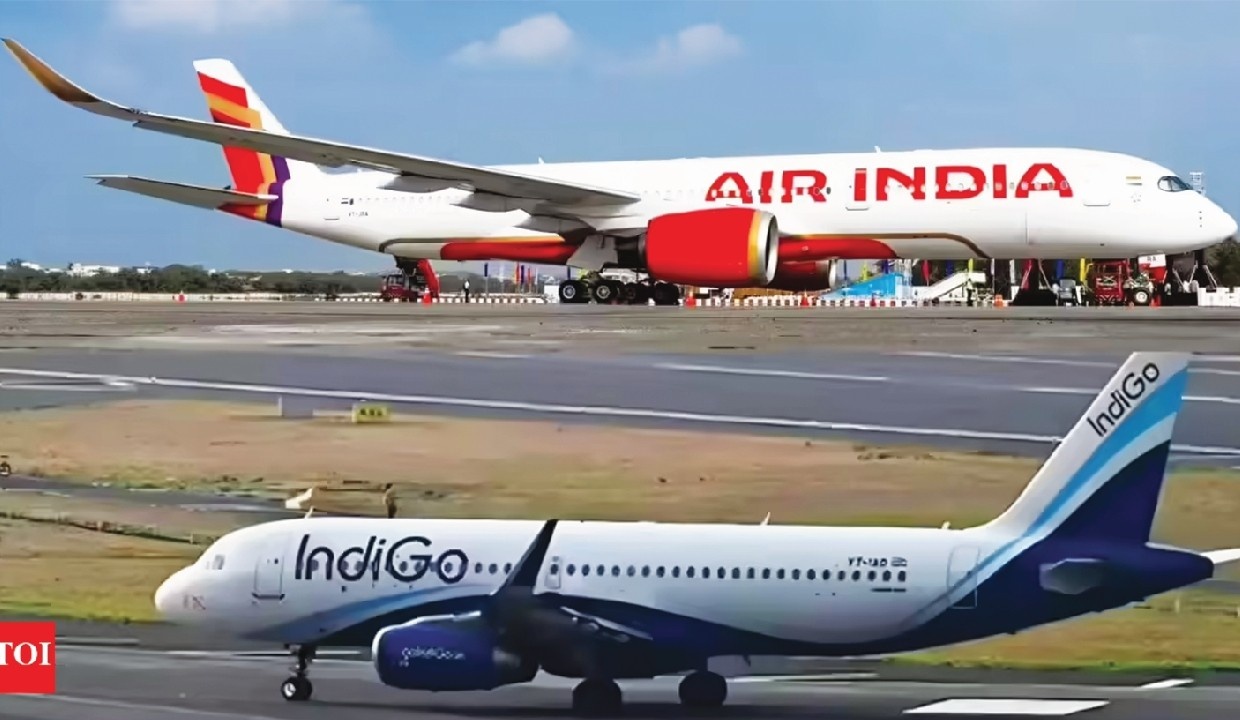
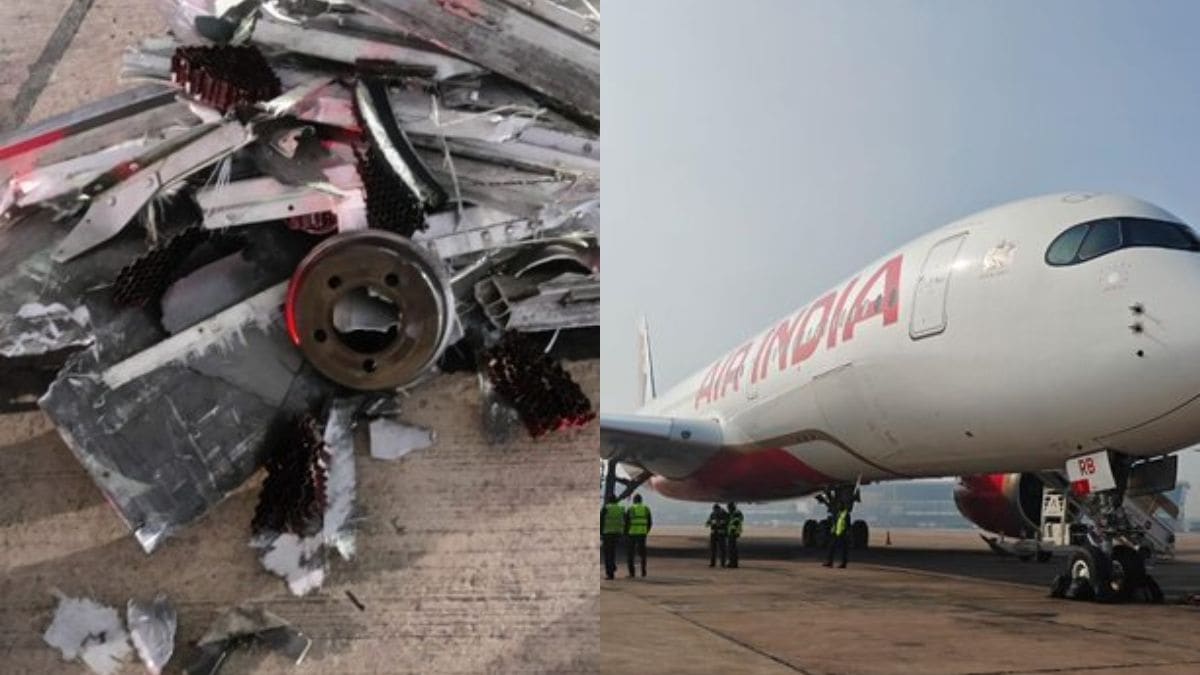
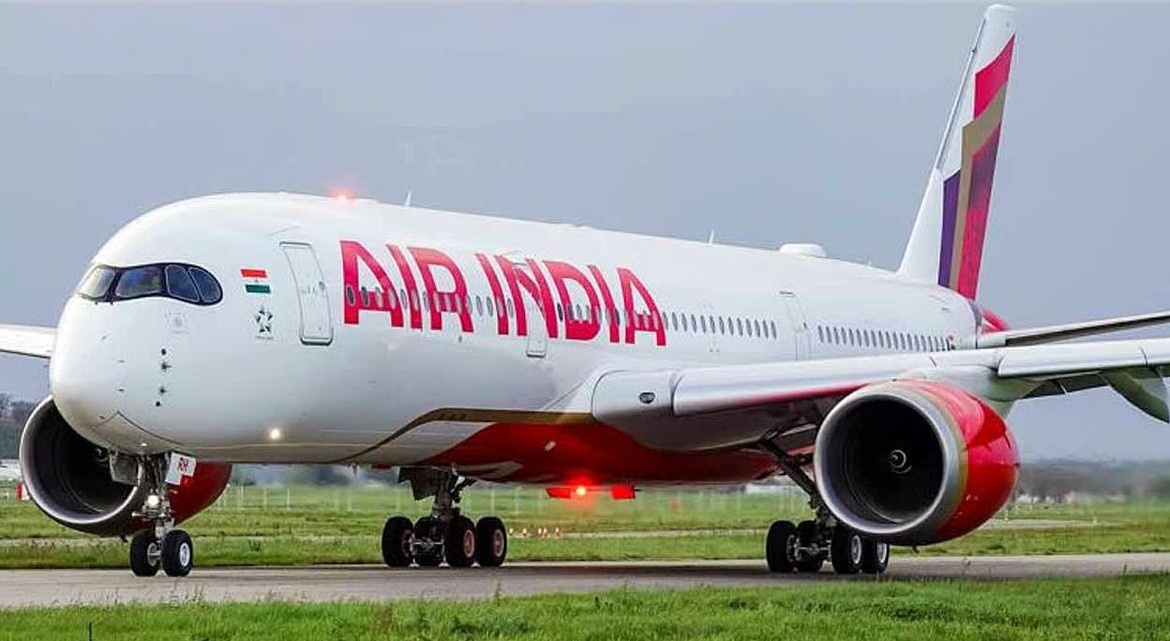
Air India has warned passengers that some long flights may be delayed or disrupted after one of its Airbus A350 aircraft was damaged at Delhi airport on Thursday. The problem occurred after the aircraft landed and was taxiing on the ground in dense fog. The plane struck a foreign object while en route to the parking area. Later, India’s DGCA confirmed that the object was a cargo container that had fallen off a vehicle and ended up on a taxiway. Further investigation is being carried out, the DGCA said. Photos shared on social media showed a hole in the engine’s air intake. Air India A350 Engine Damaged at Delhi  The aircraft, VT-JRB, was operating Flight AI101 from New Delhi to New York. Soon after take-off, the flight had to return to Delhi because Iranian airspace was suddenly closed. After landing safely at Runway 28 at IGI airport, the aircraft started taxiing towards the apron area. At the taxiway N and N4 intersection, one of the engines ingested a cargo container. The episode occurred around 5.25 am, when visibility was poor due to dense fog. The container was sucked into the aircraft’s No. 2 engine, causing the most damage. The civil aviation ministry shared more details about the incident. As stated by the ministry, a tug operated by BWFS was conveying baggage containers to the Baggage Make-up Area of Terminal 3. While crossing the taxiway joint on the vehicular lane, a container fell onto the taxiway. That container was in the aircraft's path and was sucked into the engine as the plane passed. What was Said by Air India? Air India confirmed that Flight AI101, operating from Delhi to New York, returned to Delhi shortly after takeoff because Iran closed its airspace, which affected its planned route. Post landing in Delhi, the aircraft was struck by a foreign object while taxiing in dense fog, which resulted in damage to the right engine.” “The aircraft was safely positioned at the parking stand, guaranteeing the safety of all passengers and crew on board”. What is Revealed by the Initial Investigation? Initial investigation has revealed that a BWFS tug conveying a few containers to the ‘Baggage Makeup Area’ of Terminal 3 crossed this intersection while on the vehicular lane. Throughout crossing, one of the containers collapsed onto the taxiway intersection. This container was downed into the No. 2 engine of the A350 aircraft. The aircraft is grounded as the investigation continues, and authorities are focusing on airside safety, particularly through low-visibility conditions.” Source: Financial Express

Saheel Singh 16 Jan 2026
Air India under Fire Yet Again. Why has the DGCA issued a Show-Cause Notice this Time?
Boeing Air India

Air India under Fire Yet Again. Why has the DGCA issued a Show-Cause Notice this Time?

Air India has come under the radar once again for operating a Boeing 787-8 Dreamliner despite repetitive technical glitches and system degradations. The DGCA issued a show-cause notice to the airline, flagging non-compliance with the Minimum Equipment List for the flight operated on June 28. The airline has faced complaints in 2025, with the DGCA previously issuing notices over crew and compliance violations, training gaps and maintenance concerns. As reported by PTI, the DGCA has noted safety concerns regarding aircraft dispatch, MEL compliance, and flight crew decision-making throughout the operation of flights AI 258 and AI 357. It is believed that these flights operate on the Delhi-Tokyo route. The regulator also said Air India had operated the plane despite prior knowledge of repeated hitches and system degradation. DGCA Probes Boeing 777 Engine Failure After Mid-Air Shutdown The expansions came days after the DGCA began probing an Air India incident involving a mid-air engine failure and a rushed return to Delhi airport. The Boeing 777-300ER aeroplane had seen the oil pressure in its right-hand engine drop to zero soon after take-off, forcing the crew to shut it down mid-climb. The Ministry of Civil Aviation had also noted the Air India flight AI-887 incident and sought a comprehensive report from the airline. A statement from Air India said the crew operating AI-887 decided to return to Delhi due to a technical issue, in line with standard operating procedures. It added that the aircraft is undergoing necessary checks, while a replacement plane departed with all passengers on board. The aircraft, carrying 335 people, was flying for approximately an hour before returning to Delhi. Air India to Bring Back Boeing 787-8 The Tata Group airline also outlined its 2026 plans on Wednesday, confirming that the first two Boeing 787-8 planes from its legacy fleet will return to service in February after a full interior refit. Air India’s CCO Nipun Aggarwal added in a letter to loyalty programme members that the refit of its 777 fleet will also commence this year. Six new wide-body aircraft, comprising 787s and A350S, are slated to arrive in the future.   Source: The Financial Express

Saheel Singh 02 Jan 2026
Delhi Court Asks Aviation Body to Explain Relaxations in Pilot Fatigue Rules
Pilot Fatigue Aviation Laws

Delhi Court Asks Aviation Body to Explain Relaxations in Pilot Fatigue Rules

The Delhi High Court sought a response from the DGCA on a plea by the Indian Pilots Guild seeking contempt action against authorities for allegedly not fully realizing the new flight duty time limitation norms accepted by the court earlier this year. The plea supposed that airlines were granted extensions and relaxations in pilot fatigue management rules in violation of the Civil Aviation Requirement 2024 framework. Justice Amit Sharma issued notice to the Directorate General of Civil Aviation on the Indian Pilots Guild's contempt petition and asked it to file a response. The court listed the matter for additional hearing on April 17. In its plea, the association sought the initiation of contempt proceedings against the authorities for their alleged wilful and deliberate non-compliance with the court's earlier orders. It said the new Flight Duty Time Limitation norms were meant to address fatigue management for the flying crew; however, by granting variations, exemptions, and relaxations to airlines, DGCA has defied the undertaking and directions of the high court and jeopardized flight and passenger safety. "By approving non-compliant FDTL schemes and granting variations, exceptions and relaxations to the airlines, the actions of the respondents in the implementation of the FDTL CAR constitute wilful non-compliance of the directions of this court...," the plea said. DGCA's counsel opposed the contempt plea, arguing that the court had not frozen the CAR's filings. While application timelines were binding, the regulator retained constitutional powers under the Aircraft Act and Rules to grant temporary, case-specific exemptions. DGCA's counsel argued that such relaxations were limited, subject to review and that the CAR remains in force. Earlier this year, DGCA, in its affidavit before the high court in an alternative matter, said the new FDTL norms will be implemented in a phased manner. Of the 22 proposed clauses, 15 were implemented on July 1, and the remaining are to take effect on November 1, 2025. The watchdog's revised CAR 2024 related to the FDTL provides for more rest time for pilots, among concerns over pilot fatigue. Primarily, the new norms were to take effect on June 1, 2024. The court's decision followed pleas filed by the Indian Commercial Pilots Association, the Indian Pilots Guild, and the Federation of Indian Pilots concerning the regulator's revised FDTL norms. In November 2025, the Federation of Indian Pilots also filed a contempt petition, claiming that the DGCA had deliberately failed to comply with the High Court's directions. The federation demanded that, despite assurances to the court, the regulator allow airlines extensions and relaxations and clear fatigue management schemes that did not align with the CAR 2024 norms or the agreed timelines. Source: NDTV

Saheel Singh 17 Dec 2025
half-star-solid phone