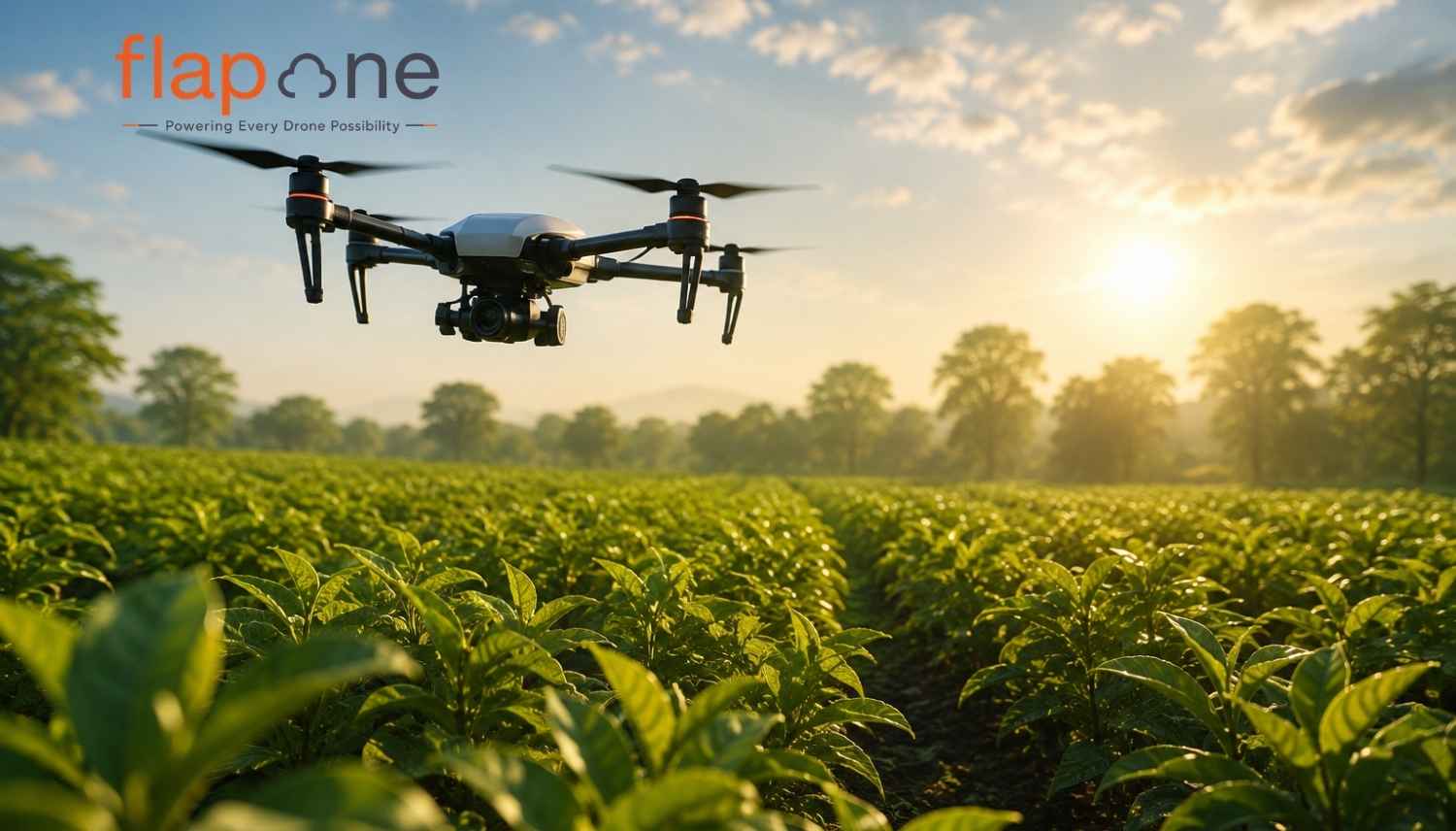
Use of Drones in Reshaping Agriculture
With agriculture's evolution, people are looking at new ways to boost their yields while conserving resources and limiting their impact on the environ
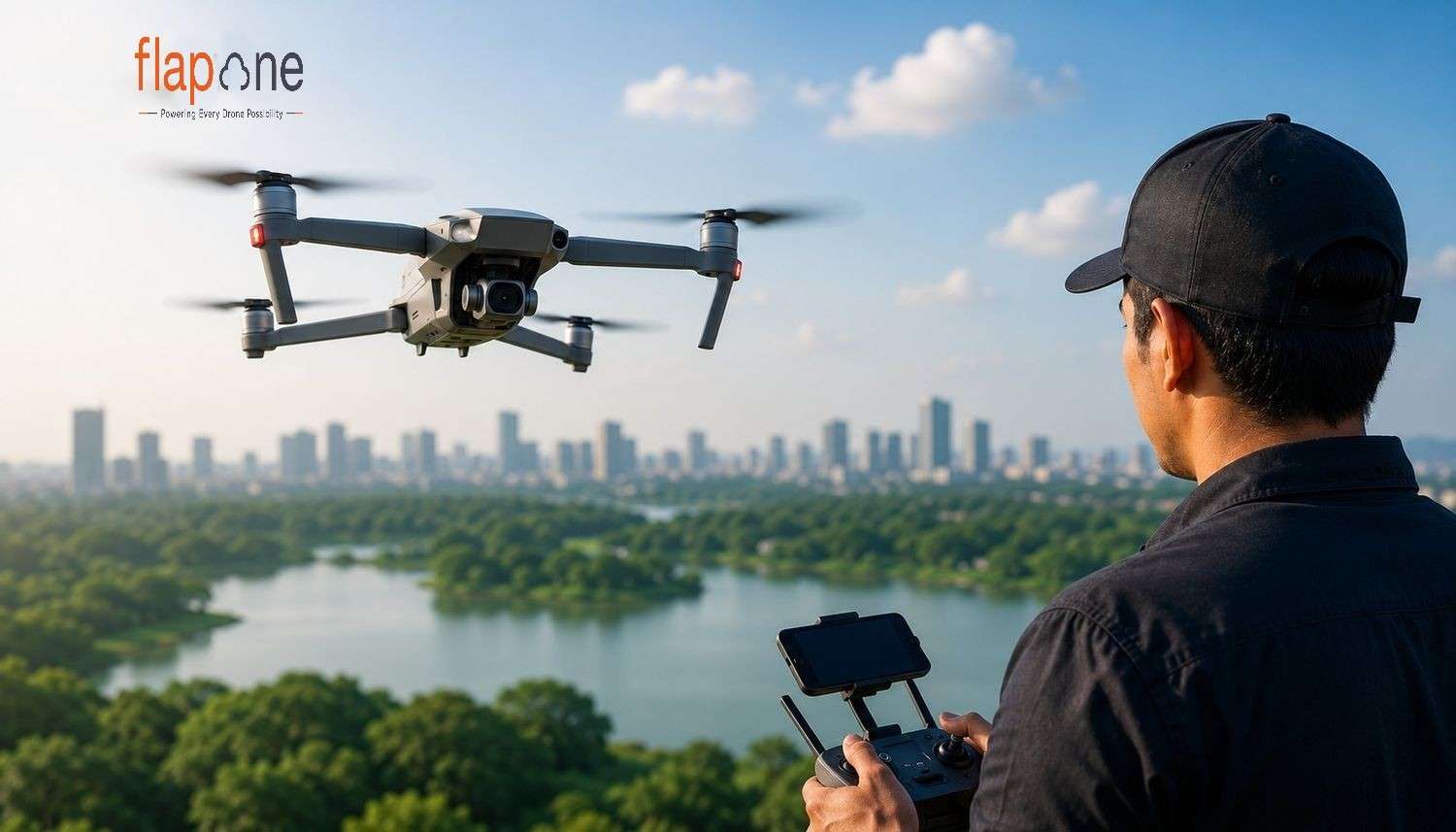
Drones have significantly transformed the aviation landscape, not just in India but around the world. They are widely used in agriculture, infrastructure inspection, disaster management, cinematography, surveying and logistics. It is for this reason that many people want to become drone pilots. Drone operations require adherence to aviation safety norms, legal regulations and ethical considerations.
There is a comprehensive regulatory framework for drone operations in India through the Drone Rules 2021, implemented by the DGCA. These promote innovation while guaranteeing that drones are operated safely. The new drone pilots should always understand that safety procedures and ethical responsibilities are important before conducting any drone flight.
The drone ecosystem in India has expanded rapidly due to technological innovation and supportive government policies. The drone regulations have been simplified to boost drone development while maintaining safety. These include registration requirements, pilot licensing procedures, airspace restrictions and operational guidelines. Simultaneously, ethical concerns have also become important. Drone pilots must understand both the legal and ethical implications of flying a drone.
Registration of drones is the most important step in drone operations in India. Most drones are registered through the Digital Sky Platform. Upon registration, a drone receives a Unique Identification Number (UIN). This is important for tracking drone ownership. New drone pilots should always complete registration before engaging in commercial or professional flying.
The drone regulations in India divide the airspace into green, yellow and red zones. Each zone determines whether permission is required before conducting a drone flight.
Safety should never be overlooked in drone operations. Every pilot should follow precise safety guidelines intended to avert accidents and protect other airspace users.
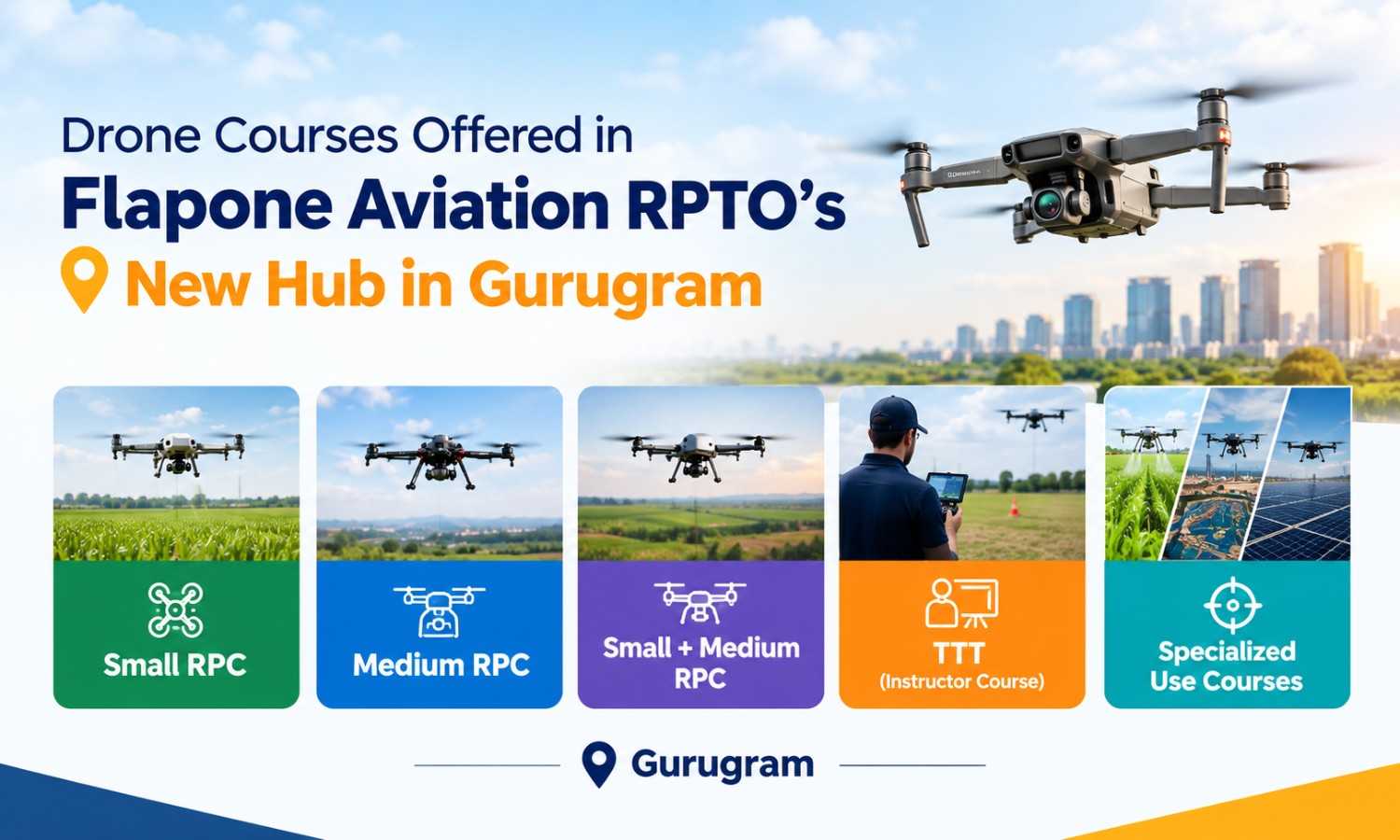
Drone pilot training is essential for developing competent and responsible drone pilots. DGCA-approved RPTOs offer structured programs that provide both theoretical and practical knowledge. These programs help the pilot understand how to operate drones safely and responsibly.
Obtaining a Remote Pilot Certificate not only improves safety but also enhances the professional credibility of drone pilots across different industries.
As drone technology transforms into a professional aviation career, every remote pilot must understand that safe operations depend on more than flying skills alone. Just as an aircraft or plane relies on the perfect balance of thrust, lift, powerful engines, and well-designed wings for a stable flight, responsible drone operations require strict compliance with DGCA regulations, strong ethical practices, and a safety-first mindset. Following these principles helps prevent accidents, minimizes legal risks, and builds public confidence in commercial drone services. At FlapOne Aviation, we prepare aspiring drone pilots with industry-focused training that emphasizes safe, ethical, and regulation-compliant drone operations for successful careers in India's growing UAV sector.
Whether you're a beginner or looking to upskill, our training advisors can help you choose the right course.