Why Drone Simulators Are Essential for Training?
Drone simulators are an important part of drone training. Their development is ineffable, and they have become important in training drone pilots. Ava
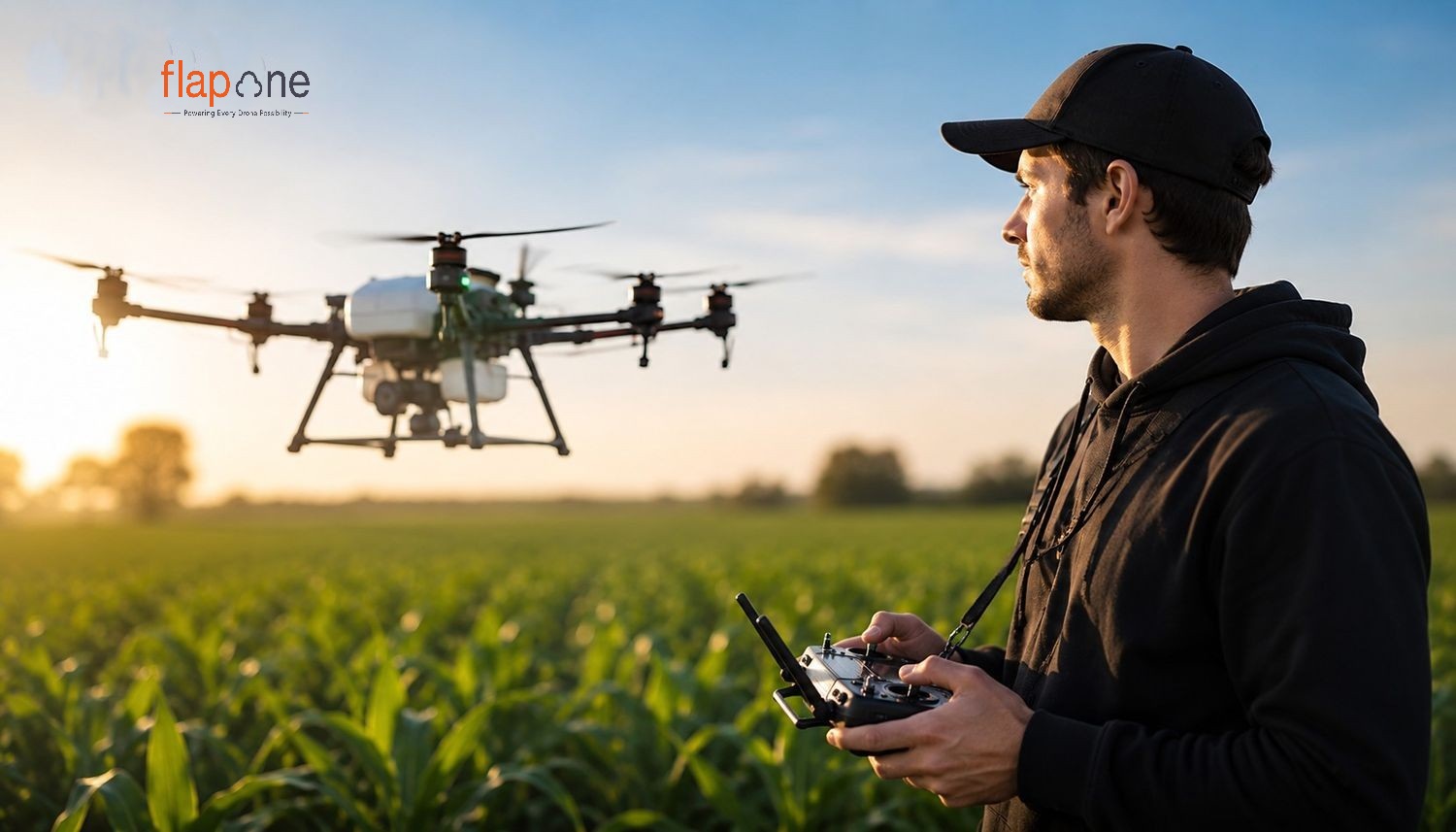
Drones have become a technology worth noting in recent times, and there has been significant government backing as well to make them the new normal. As a pilot is needed to pilot an aircraft, so too is a drone pilot needed to operate a drone for commercial use. Drone pilot jobs have grown like wildfire, and many folks want to explore the opportunities this profession offers. Have you ever wondered what an average day of a drone pilot looks like? Then you will know by the end of this blog.
Pre-Flight Briefing
This is an important morning task for drone pilots. This involves reviewing what needs to be done during the day, safety protocols, and weather conditions. Pilots are informed about the flight area's potential hazards and other requirements. For example, if we talk about construction or agriculture, this may include details about the specific site, for instance, obstacles like power lines or no-fly zones.
Equipment Checks
Once the briefing is complete, a drone pilot conducts thorough inspections of the drone equipment. This includes inspecting the battery, propellers, sensors, and cameras to ensure everything is functioning properly.
Abiding by All the Regulations
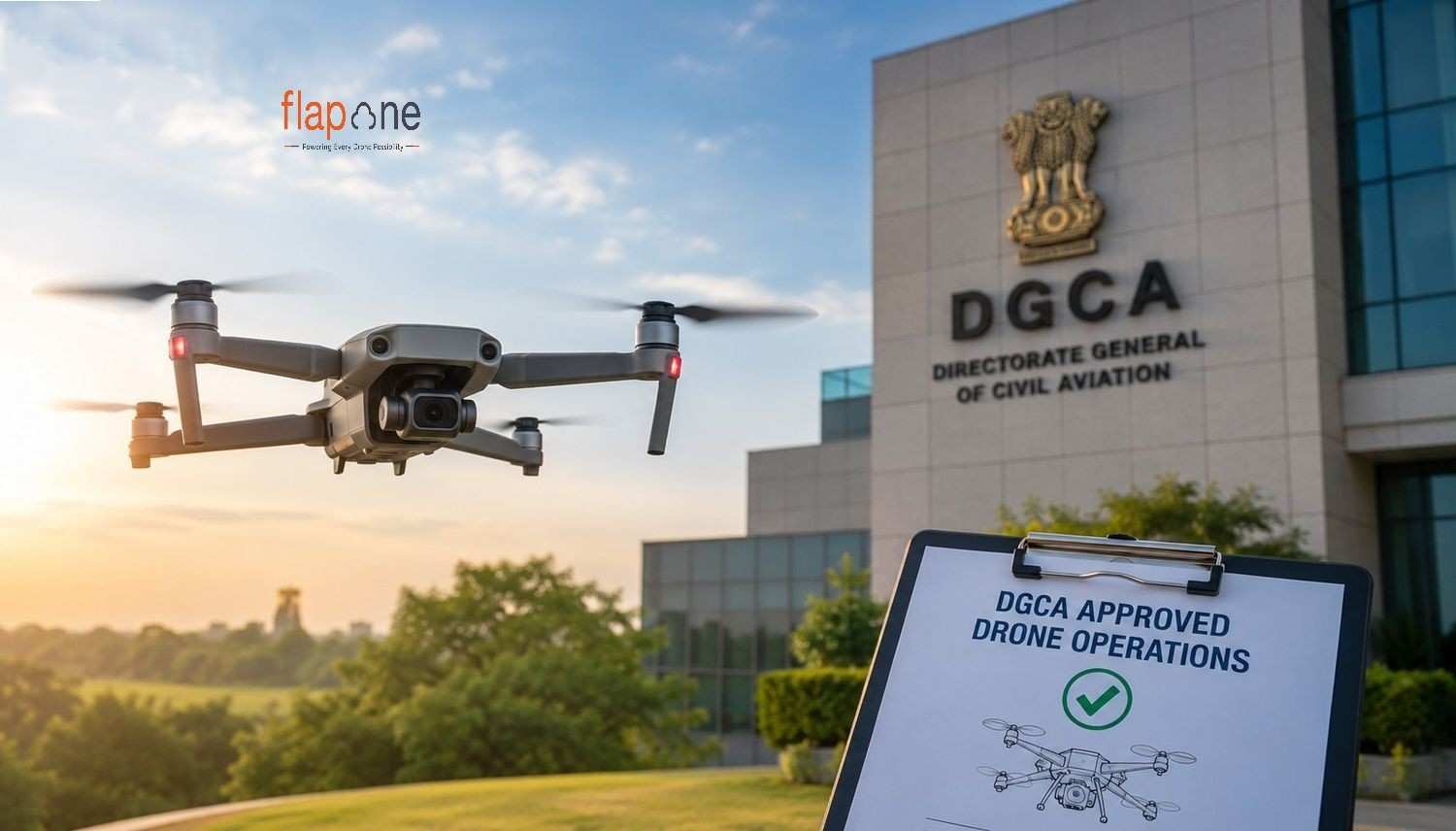
All drone pilots in India should abide by the regulatory authority's rules and ensure their drones comply with DGCA guidelines. The drone used should be registered with the DGCA, tick all the boxes regarding local laws in the area, and ensure the flight plan complies with them.
Flight Execution
The real deal for drone pilots generally takes place during midday, after all the briefings and equipment checks have been completed. Now, they are ready to take the drone up into the sky and do what needs to be done, based on the industry they work in.
The data collected with the help of drones has to be analyzed to extract the outcomes. So, drone pilots should also have the skills of data interpretation. Many modern drones can instantly transmit data, allowing pilots to review data. This data allows for any adjustments to be made.
Problem-Solving on the Job
As a drone pilot, there is no shortage of challenges, and they must be addressed to excel in the career. If a drone interacts with wireless signals, decide whether to continue the flight or make a safe landing. Keeping your cool under pressure and making wise decisions to ensure the drone's safety and the mission's success.
Collaboration and Communication
Effective communication is key to preventing operational lapses. Regular discussions align team efforts and improve overall work quality. In emergency services, there should be effective communication with ground teams to offer precise data that guides rescue operations.
At the end of the day, drone pilots compile key findings into detailed reports using flight data collected during the mission. Accurate data is essential for evaluating aircraft performance, including thrust, lift, engines, and wings where applicable. These reports help stakeholders understand operational outcomes, while clear presentations enable clients and project managers to make informed decisions based on the mission results.
A day in the life of a drone pilot is a perfect mix of responsibilities, challenges and rewards. From pre-flight preparations to flight execution and the satisfaction of offering valuable insights. If you want to explore a career as a drone pilot, you can enroll with us at FlapOne Aviation.
A professional drone pilot’s daily routine may include flight planning, equipment checks, safety procedures, and collecting aerial data for different projects. If you want to build practical skills for this career, explore FlapOne’s Drone Pilot Training programs. You can also learn about the Drone Survey and Mapping Course to understand how drones support surveying and mapping operations.
Whether you're a beginner or looking to upskill, our training advisors can help you choose the right course.