
India Develops Autonomous Swarm Interceptor 'YAMA' to Counter Drone Attacks
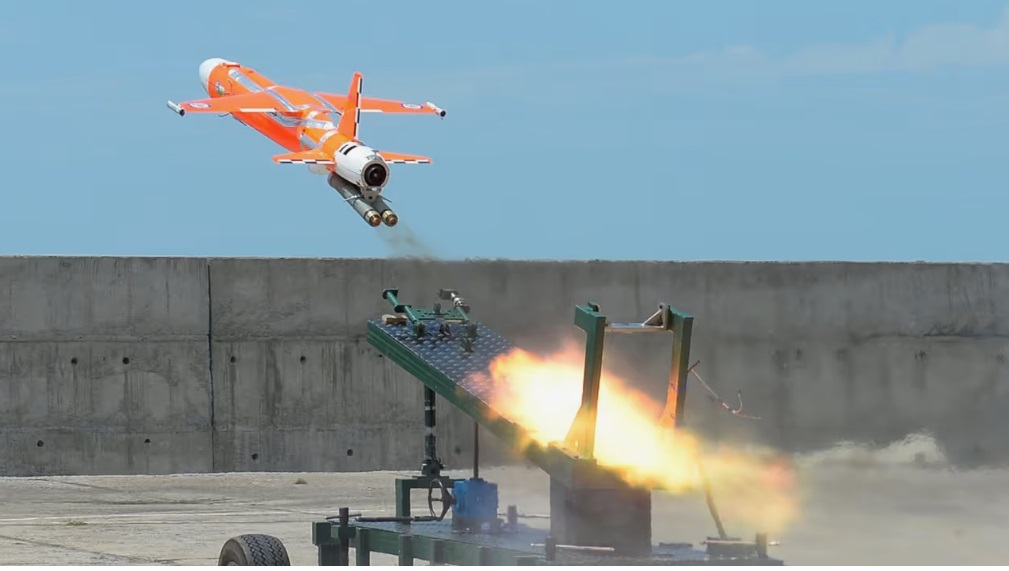
With drones reshaping modern warfare worldwide, India has developed an advanced autonomous swarm interceptor, YAMA. The system is made by the
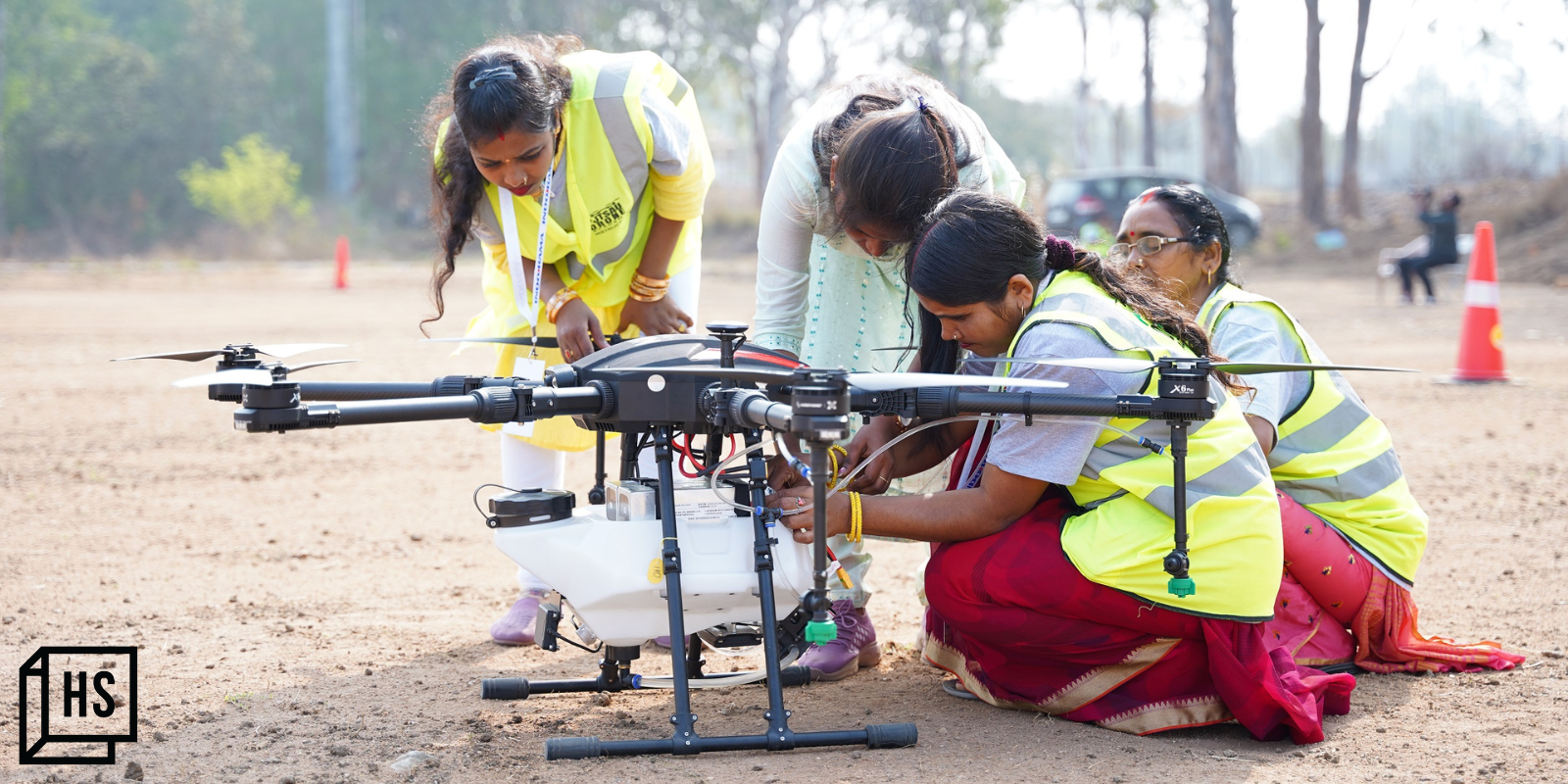

Seema Khandade had never seen a woman operate a drone before. Today, she is flying high as one of the farmers who have become drone operators in Maharashtra and among the few who are using the drones to endorse climate-friendly agriculture.
Since then, she has become one of the contacts for farmers from neighboring areas who want their fields sprayed. “I go out into the fields on my four-wheeler and start working the remote to lift and control the drone. Soon, a crowd gathers to watch me because the drone is new, as is seeing a woman handle it,” says Khandade.
Khandade, who is part of ProRISE, a project by Pune-based Watershed Organization Trust (WOTR), which works in watershed management and climate-resilient rural development, uses it to endorse biological options from her farmer-producer company (FPC).
“FPCs are endorsing drones not just as a technology but also as a tool to promote biological options. Farmers might have bought chemical options, but a drone operator can sway them to using green alternatives,” says Sandeep Jadhav, Director, WOTR.
Reduced Labour, Lower Chemical Use
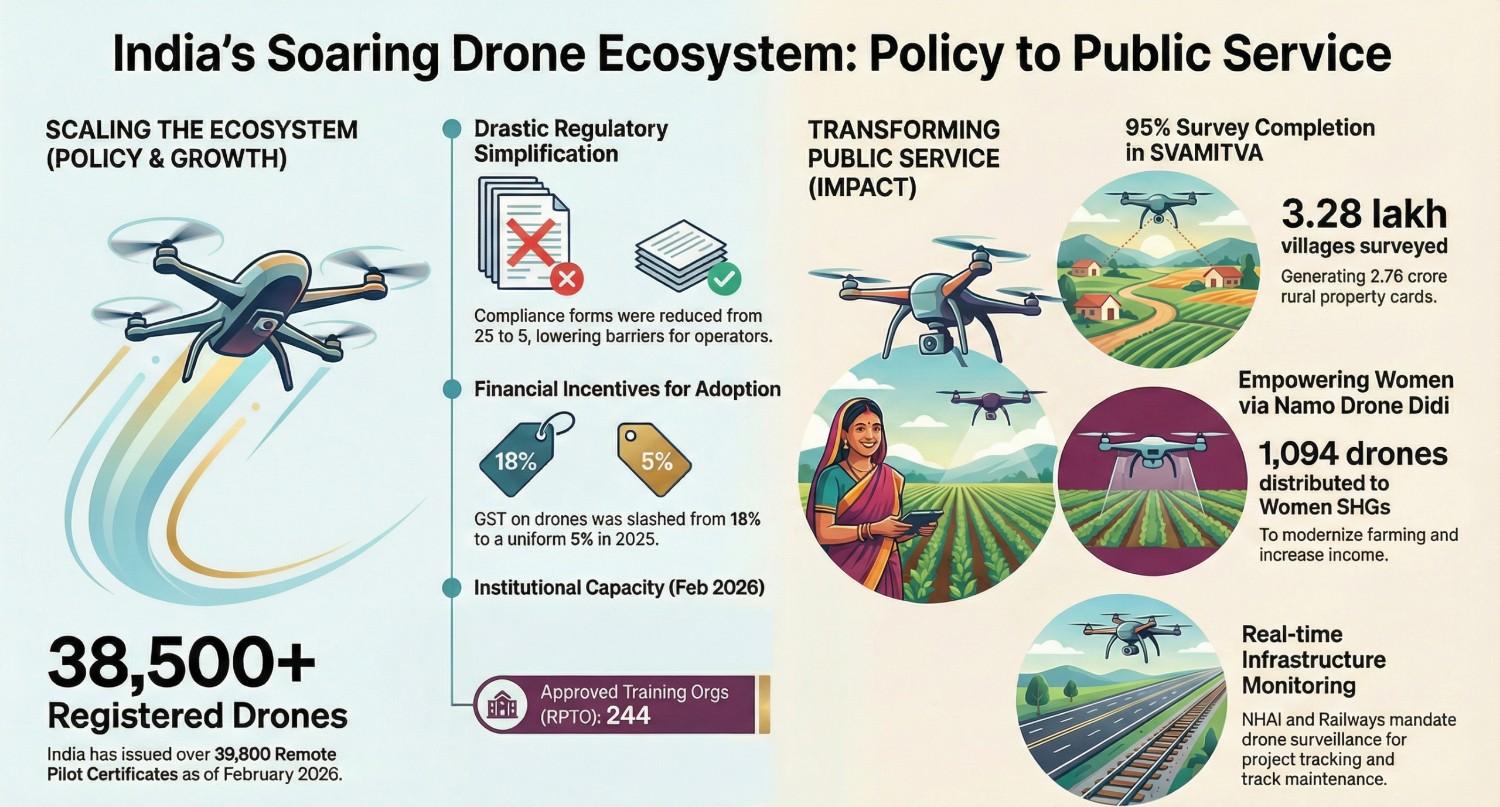
In India’s agricultural belts, many women have become drone pilots all over India as part of the ‘Drone Didi’ scheme. As said by the plan, 15,000 drones would be provided to women self-help groups, with an expenditure of Rs 1,261 crore for the 2023-24 to 2025-26 period.
ProRISE, supported by the Walmart Foundation, a philanthropic and social impact organization, aims to take drone use in agriculture to the next level. Launched in 2023, the project has three drones being operated by three women, each associated with a diverse FPC. The initiative, rolled out in Jalna, Solapur and Dharashiv districts, has reached 2,100 farmers, with approximately 29 per cent more expected to benefit by next month.
As stated by Jadhav, early results show clear advantages of reduced labour and time, lower chemical use and more effective pest control. For example, it takes Khandade just about seven minutes for a round of spraying one acre and she charges Rs 500 per acre. This income is a revenue source for the FPC, and she gets a share.
“Since we are working with 74 FPCs across four states, we have found that FPCs are concerned about businesses and not the ecosystem around them. When farmers use drones for agriculture, they do not differentiate between harmful chemicals and biological options. We wanted FPCs to continue profiting in their businesses, while not overlooking the ecosystem or the biological aspect of farming. This was our emphasis when we started working with 11 FPCs as part of the drone programme under ProRISE,” says Jadhav.
Experts from WOTR told FPCs that, ultimately, failing to look after soil health would affect farmers’ productivity. Business will suffer, and FPCs themselves will be affected. Their profit-making is dependent on the health of the soil and farming practices, they were informed.
The programme reached out to rural women to encourage them to become drone pilots. They were trained and certified, while men participated by handling potential challenges, such as safety issues when travelling to remote farms, carrying the heavy drone and navigating difficult terrain. With the project taking off, women like Khandade are now in control.
Source: The Indian Express
Whether you're a beginner or looking to upskill, our training advisors can help you choose the right course.