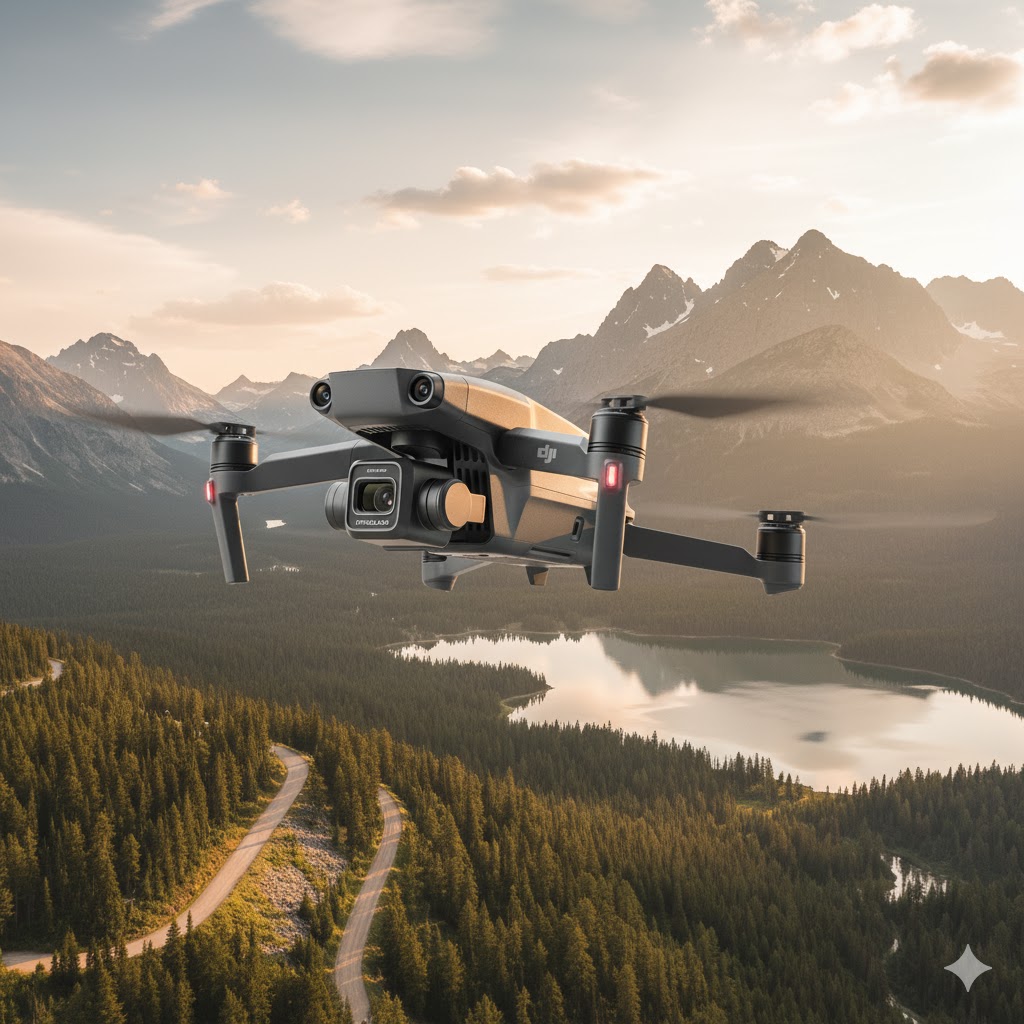
Groom Stabbed at Wedding, Cameraman's Drone Chases Attackers for 2 km
A wedding in Amravati turned into a crime scene on 10th November 2025 when the groom was stabbed. A drone positioned to film the funct
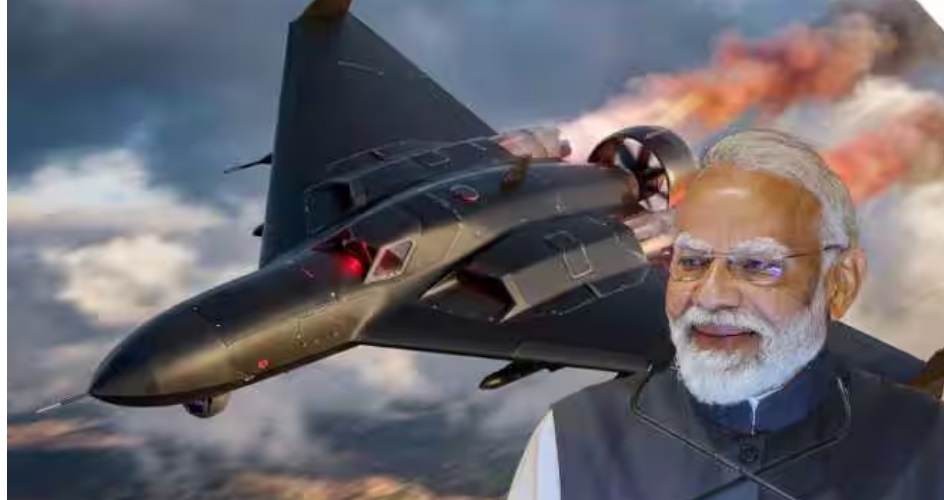

India is planning to develop cutting-edge long-range drones and 150-kilogram class loitering munitions powered by indigenous Wankel rotary engines, strengthening its strategic drive toward self-reliance in defence technologies. The initiative will reduce the need for foreign suppliers of propulsion systems. This segment is a bottleneck in India’s drone ecosystem, despite key progress in domestic airframe, software and weapons development.
The first system to appear from this effort is a 150-kilogram loitering munition-drone hybrid platform, tentatively named ‘Loitering Munition-UAV’. Early specifications specify a standoff strike range of about 900 kilometres and an in-air time of about 9 hours per mission. If validated in trials, the platform would fall into the long-loiter category, providing deep-reach precision-strike capability, extended surveillance, target tracking and instantaneous engagement flexibility.
The CSIR-National Aerospace Laboratories will partner with a private company to advance and manufacture long-range drones, marking a shift toward deeper industry participation in strategic drone programmes. The partnership signals a move away from largely PSU-led prototypes to a model combining a state-backed R&D strength with private-sector speed, scale and production capability.
Wankel rotary engines are a favoured power source for small- and medium-sized drones worldwide because of their compact size, high power-to-weight ratio, low vibration signature and mechanical simplicity compared to traditional piston engines. India’s decision to localize this technology is significant because these engines power many imported loitering systems at present in use or under assessment by the country. Indigenizing the propulsion stack ensures that future Indian unmanned platforms can operate with sovereign supply-chain security, resist geopolitical leverage and integrate more seamlessly with classified mission systems.
This would benefit defence PSUs and startups alike by lowering development costs, shortening iteration cycles, and enabling deeper integration with domestically developed strike, navigation and sensor packages. It may also unlock India's export potential in the unmanned-propulsion market, mainly amongst countries seeking non-Western supply alternatives.
The headline range figure of 900 kilometers will also depend on aerodynamic efficiency, flight profile optimization, and fuel tank design, making full-scale validation during flight trials essential.
The strategic value of the programme lies not only in the 150-kilogram strike platform itself, but in providing a domestic propulsion system that future drone families could inherit. Once flight-tested and production-qualified, the Wankel engine could expand into maritime-surveillance UAVs, swarm-drone nodes and potentially heavier rotary-powered loitering or cruise-type platforms.
For now, the announcement carries significant signaling; India is committing to indigenous propulsion in the long-range unmanned-strike segment. The next milestones that will shape market and military confidence will be prototype flight trials, thermal-performance benchmarks, real-world endurance validation and the decision to transition the programme into scaled production.
Source: Indian Express
Whether you're a beginner or looking to upskill, our training advisors can help you choose the right course.