India Develops Autonomous Swarm Interceptor 'YAMA' to Counter Drone Attacks
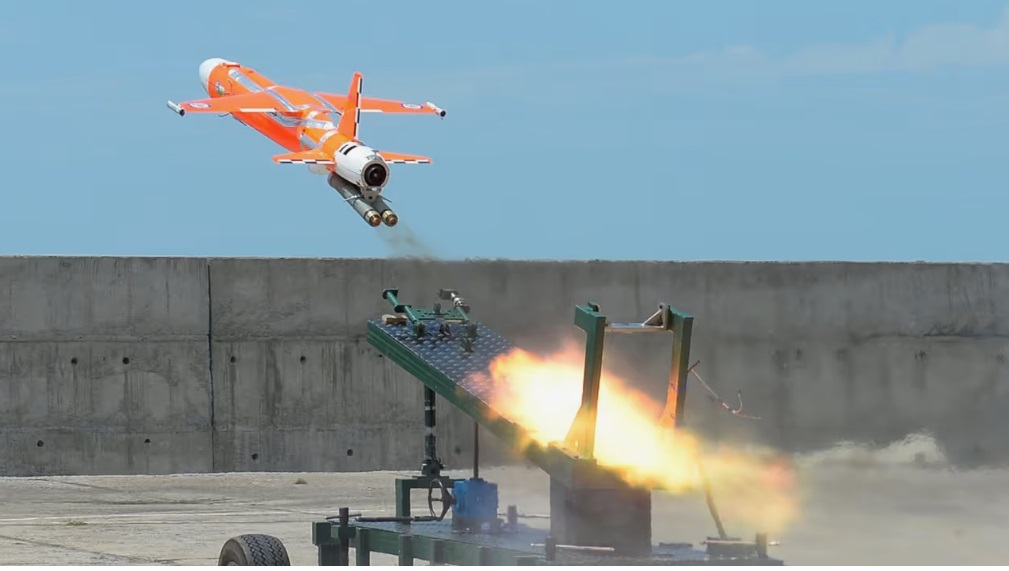
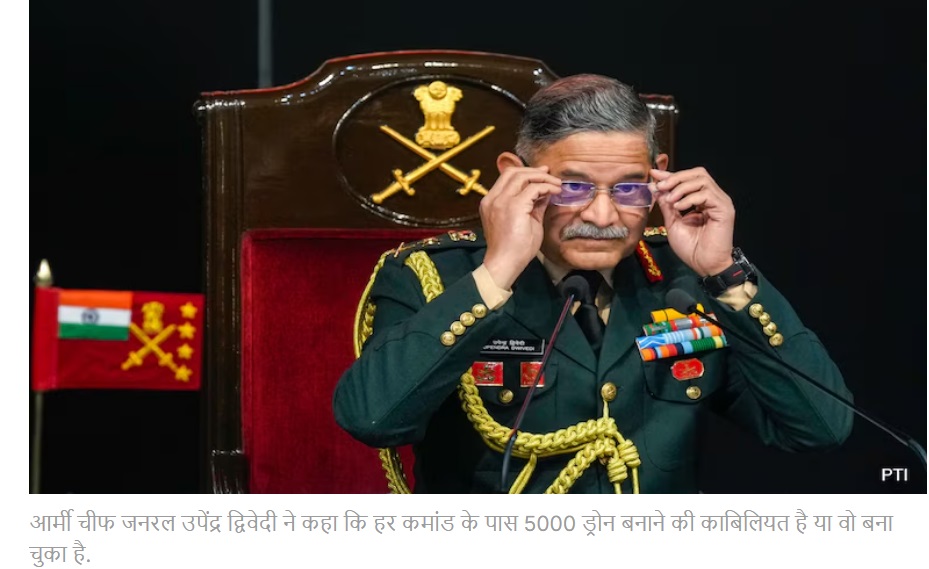
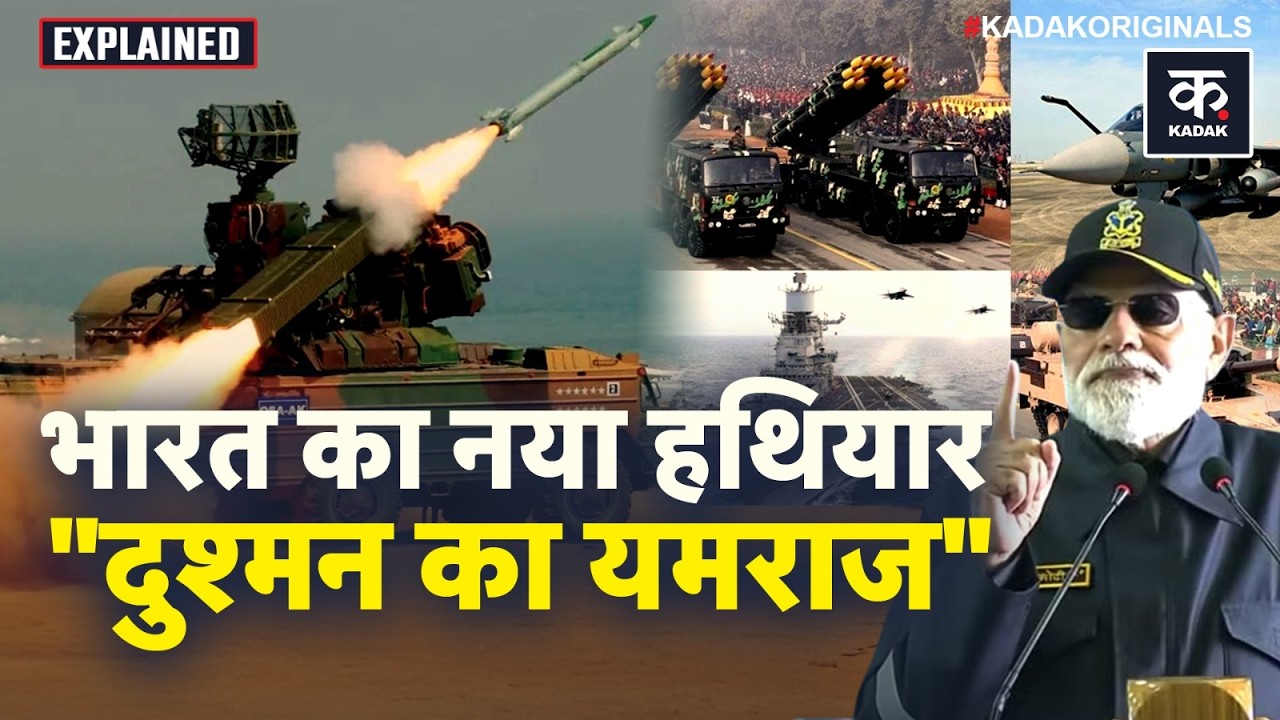
With drones reshaping modern warfare worldwide, India has developed an advanced autonomous swarm interceptor, YAMA. The system is made by the
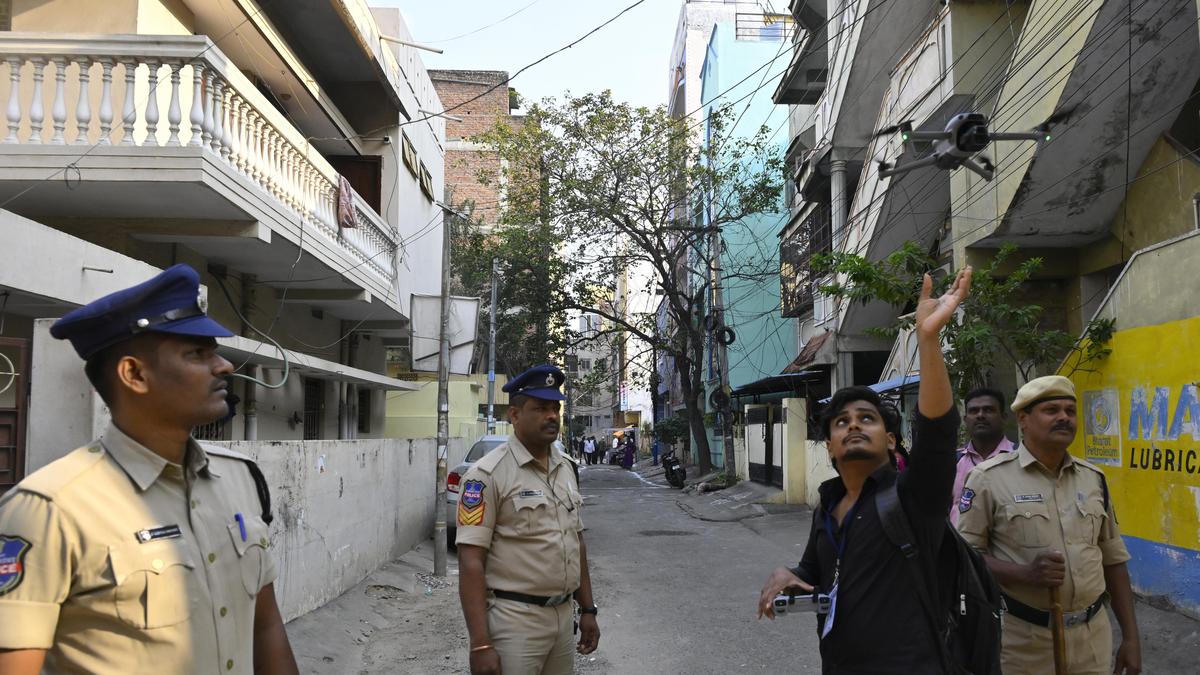

At 11 a.m. on November 11, 2025, Basti Dawakhana in Hyderabad’s Borabanda area was bustling. The crowd was not there for a health check-up. Voters had assembled to cast their votes in the Jubilee Hills Assembly by-election and a drone was hovering above the heads of the people.
A 33-year-old man, Deepak, controlled the drone using a mobile attached to a remote. Deepak, a licensed drone pilot from the Chennai Drone Academy, was part of a team of operators deployed across the constituency for the country’s first-ever drone surveillance initiative throughout an election.
“About 40 to 45 people from the Chennai Drone Academy have come here to fly drones. Our academy was approached, and we were sent to Hyderabad,” said Mr Deepak. The live video feed from his drone camera was transmitted to the District Election Office and monitored by the Election Commission of India.
Deepak explained that he was authorized to fly the drone up to 50 metres in height, in compliance with airspace restrictions near Begumpet Airport. “We have to follow all safety protocols and cannot exceed that limit,” he said.
The initiative is part of a drone surveillance programme introduced by the Hyderabad District Election Office, marking a first-of-its-kind experiment in the Indian electoral process. 139 drones were deployed across 407 polling stations, each operated by a trained drone pilot from different parts of the country.
“The drones offer real-time visual monitoring of sensitive locations, crowd movements and any potential violations”, said the District Election Officer and Greater Hyderabad Municipal Corporation Commissioner, R.V. Karnan.
At the Natco Government High School in Borabanda, another pilot, Suresh, was operating two drones, including a DJI Mavic 4, the more advanced models used for surveillance. “This drone costs about INR 4.5 lakh and has three lenses that can zoom to a very large distance.
Elsewhere, at a polling booth in Krishna Nagar, Hyderabad-based Rahul had temporarily landed his drone to recharge it. “The drone can stay in the air for about 20 minutes. Each of us carries three battery packs. When the low-battery warning appears, the drone is brought down, the battery is replaced, it is let cool for a few minutes and then it is put back in the air,”.
As the byelection progressed, voters across Jubilee Hills looked up in curiosity at the whirring machines above them.
Source: The Hindu
Whether you're a beginner or looking to upskill, our training advisors can help you choose the right course.