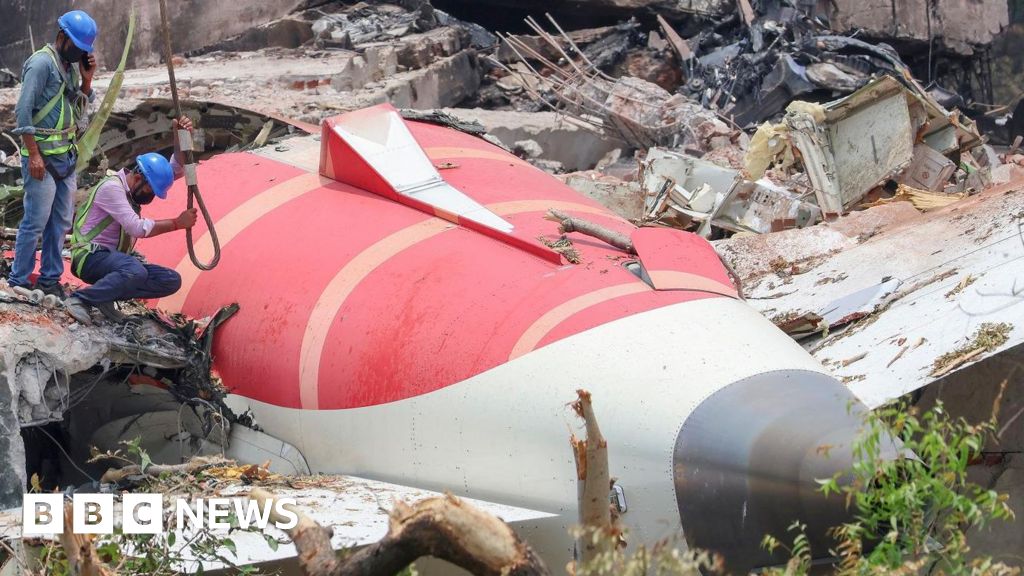

Indian Airlines Seeks Relief Amid Rising Costs
Air India and Indigo are advising the Indian government to reduce aviation fuel taxes and certain airport charges, as the Middle East conflict
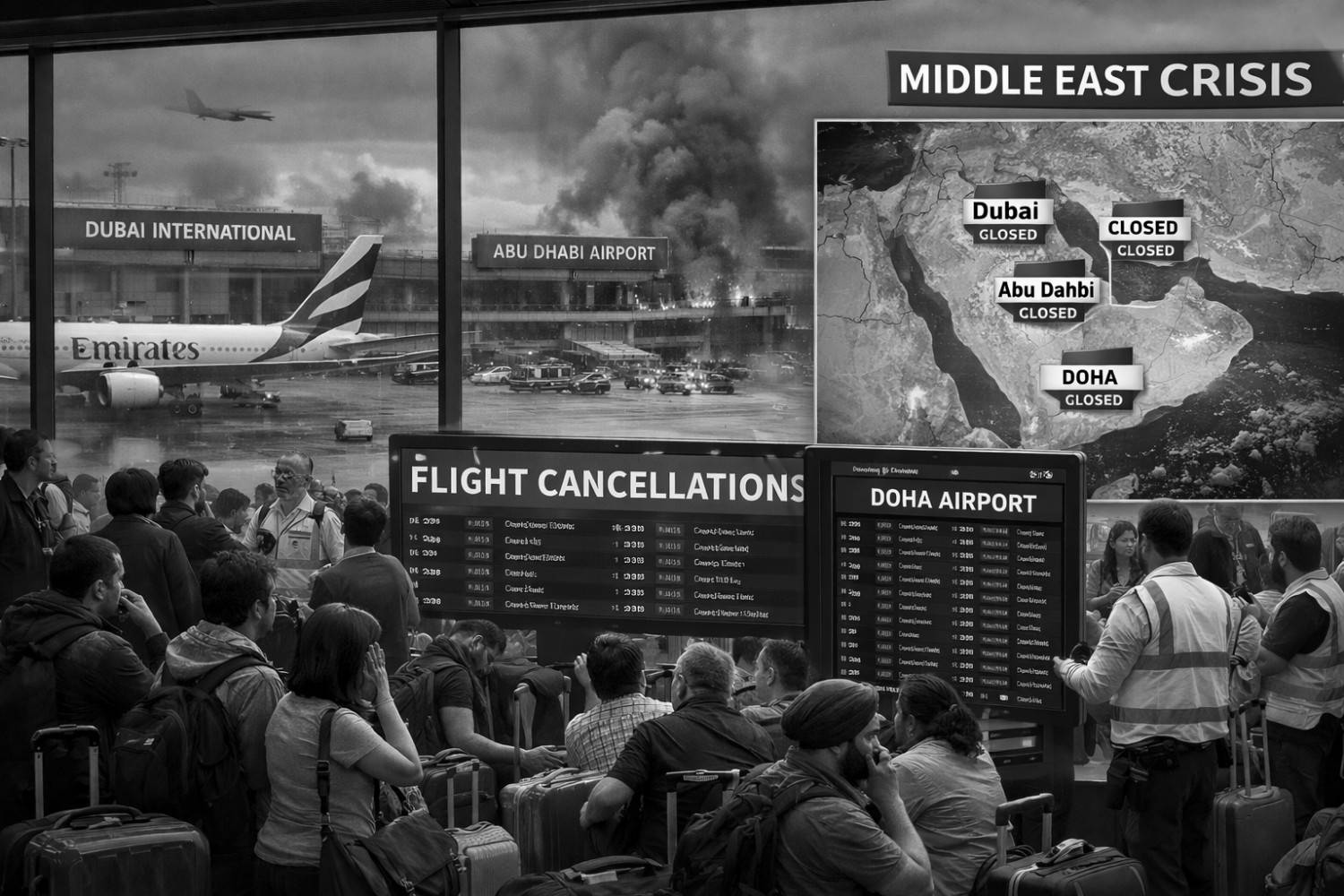

Massive aviation disruptions instigated by the conflict between Iran, the US and Israel have led to over 23,000 global flight cancellations and costs over USD 1 billion, such as fuel, rerouting and revenue impacts. Indian airlines that are profoundly dependent on Gulf routes for passenger traffic have also been significantly affected. In the initial days, DGCA had directed airlines to avoid airspace over Tehran, Tel Aviv, Beirut, Jeddah, Bahrain, Muscat, Baghdad, Amman, Kuwait, the UAE and Doha until early March, leading to extensive suspensions.
Indian Ministry of Civil Aviation figures quote 1,221 Indian flights cancelled from early March. Hundreds of flights are being affected daily on major routes, including Dubai, Abu Dhabi and Sharjah in the UAE; Doha in Qatar; Jeddah, Riyadh and Dammam in Saudi Arabia; Muscat in Oman and Tel Aviv in Israel.
How Indian Airlines are Coping with Gulf Aviation Disruptions
Air India initially suspended all flights to and from the UAE, Saudi Arabia, Qatar, and Israel until March 2–3, with extensions in phases to March 5.
It is also operating limited repatriation or special flights from Dubai and Jeddah to bring stuck passengers home. The airline is providing free rescheduling or full refunds for bookings made on or before 28 February for travel up to 5 March. Some European routes, for example, London and Amsterdam, are also affected or rerouted.
IndiGo has been the hardest hit, as it usually operates about 65 daily round-trip flights on Gulf routes. The airline cancelled more than 500 Middle East and select international flights from February 28 to March 3, reportedly up to 162 on March 3 alone. Services to the UAE, Qatar and Saudi Arabia were suspended and flexibility and waivers have been extended to March 7 for affected bookings.
It is also operating relief flights from Jeddah to Ahmedabad for stranded Indians, along with on other routes. Routes from Indian cities to Doha, Dubai and Abu Dhabi are heavily impacted.
Air India Express deferred its whole Gulf schedule until about March 1, including services to the Gulf countries. About 55 flights were cancelled, nearly half of its about 110 daily Gulf flights. It is also offering free rescheduling or full refunds for bookings made up to February 28 for travel through March 5. SpiceJet has cancelled flights to the UAE and other Gulf hubs.
Many Indian workers in the Gulf have been affected. Airport congestion was seen in Delhi, Mumbai, Bengaluru and Chennai, with more than 250 international flights cancelled.
Global Aviation Chaos Due to the Iran–Israel–US Conflict
According to Cirium analytics, over half of the 36,000 scheduled flights in the region were affected by international operators. Revenue losses in the initial days could reach up to $2.6 billion. Airspace closures or restrictions have mainly affected Iran, Iraq, Israel and Jordan.
Flight cancellations in Bahrain reached 97% on some of the initial days of the conflict, while in Qatar they were as high as 86% and in Kuwait 81%. The UAE saw cancellation rates of up to 81% on some days, with major global aviation hubs, for example, Dubai and Abu Dhabi, among the hardest hit. Partial restrictions were imposed on Saudi Arabia, Oman, Syria and Lebanon.
Major Global Airlines Affected by Disruptions
The UAE’s Emirates has extended the full postponement of flights to and from Dubai through at least 7 March. It is mostly operating limited repatriation and cargo flights. Emirates is among the most affected airlines, with many daily cancellations, including at least 338 in recent weeks.
Qatar Airways has deferred services to and from Doha, extending the halt into early March, with high cancellation rates in Qatari airspace. Etihad Airways has suspended all commercial flights until at least 6 March, with only some repatriation flights operating.
The UAE low-cost carrier flydubai is also affected by suspensions, while smaller carriers, for example, Flynas, have cancelled routes to affected hubs, such as Dubai and Riyadh. United Airlines has cancelled US–Tel Aviv–Dubai routes, while Cathay Pacific from Hong Kong paused services to Dubai and Riyadh until 14 March. Air France has deferred flights to and from Tel Aviv, Beirut, Dubai and Riyadh through early March.
British Airways has cancelled flights to Tel Aviv and Bahrain, and affected Gulf routes, such as Dubai, Doha and Abu Dhabi, for more than a few days. Japan Airlines has postponed Tokyo–Doha routes through mid-March and various European and Asian carriers have issued similar suspensions or waivers.
Source: WION
Connect with our aviation mentors to find the right path toward becoming a licensed aircraft pilot.