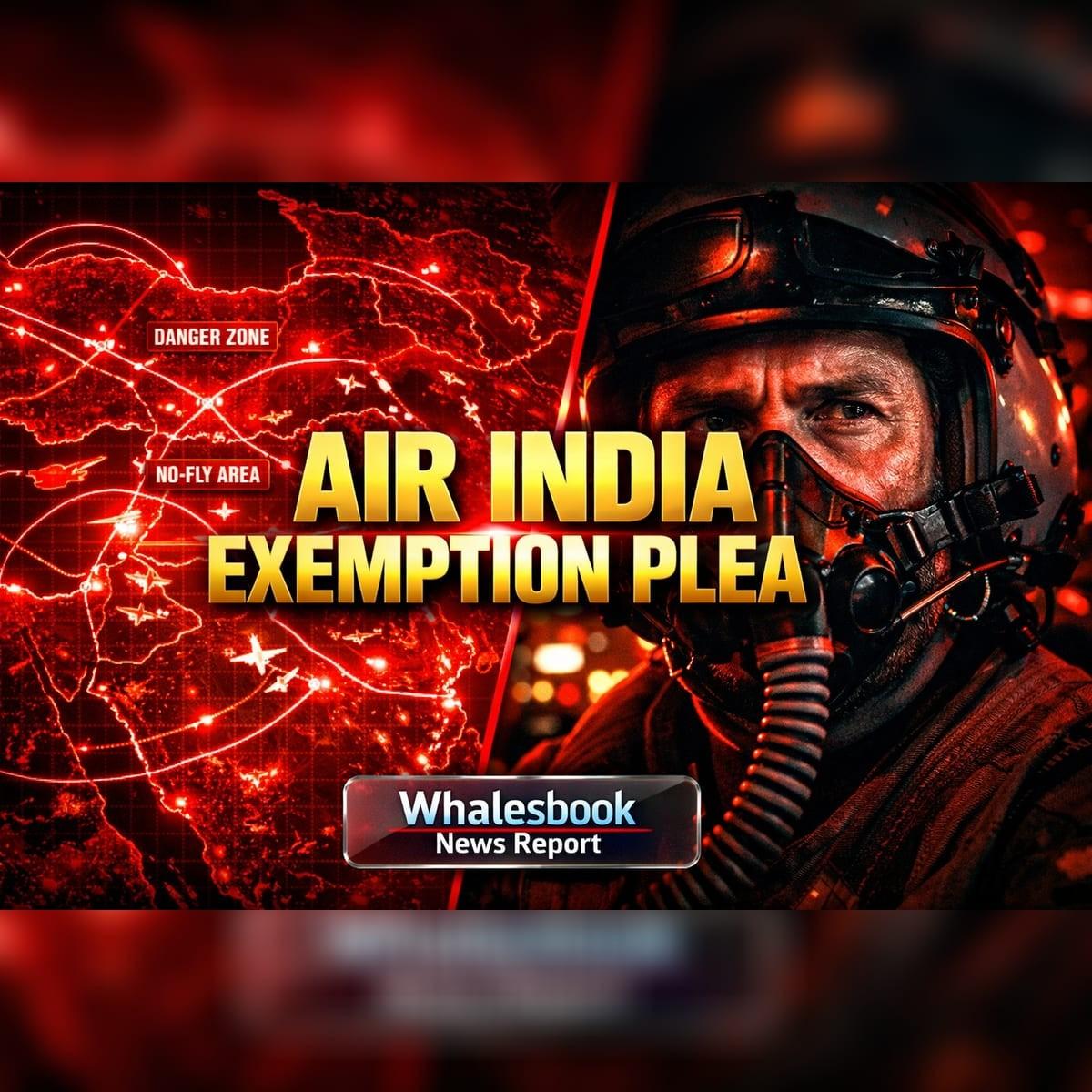
DGCA Allows Longer Pilot Duty Hours for Air India Amid the West Asia Crisis
Since February 28, the DGCA has temporarily allowed extended flight duty time limits for some Air India international flights on longe
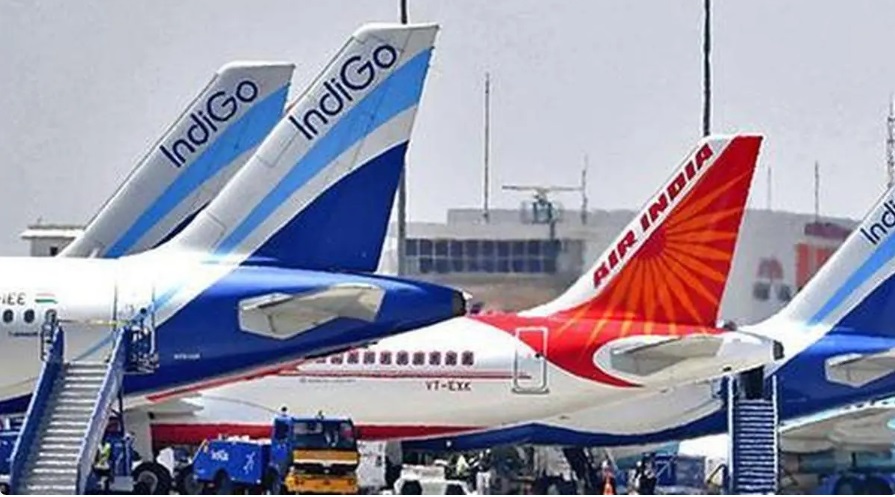

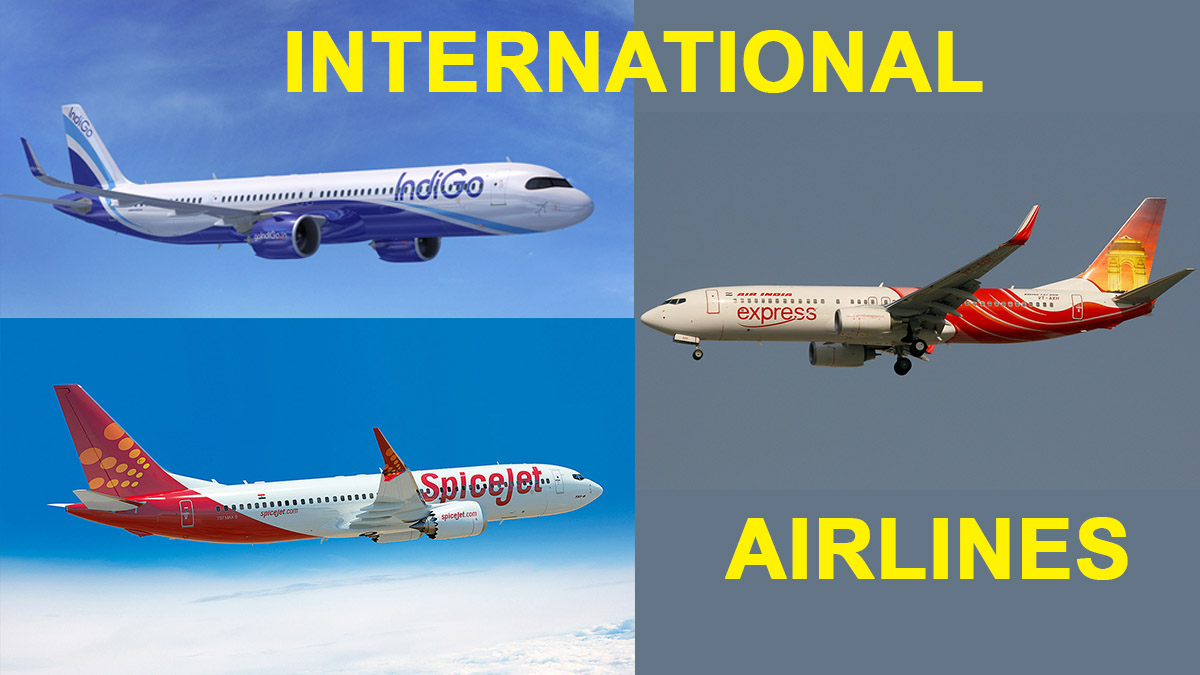
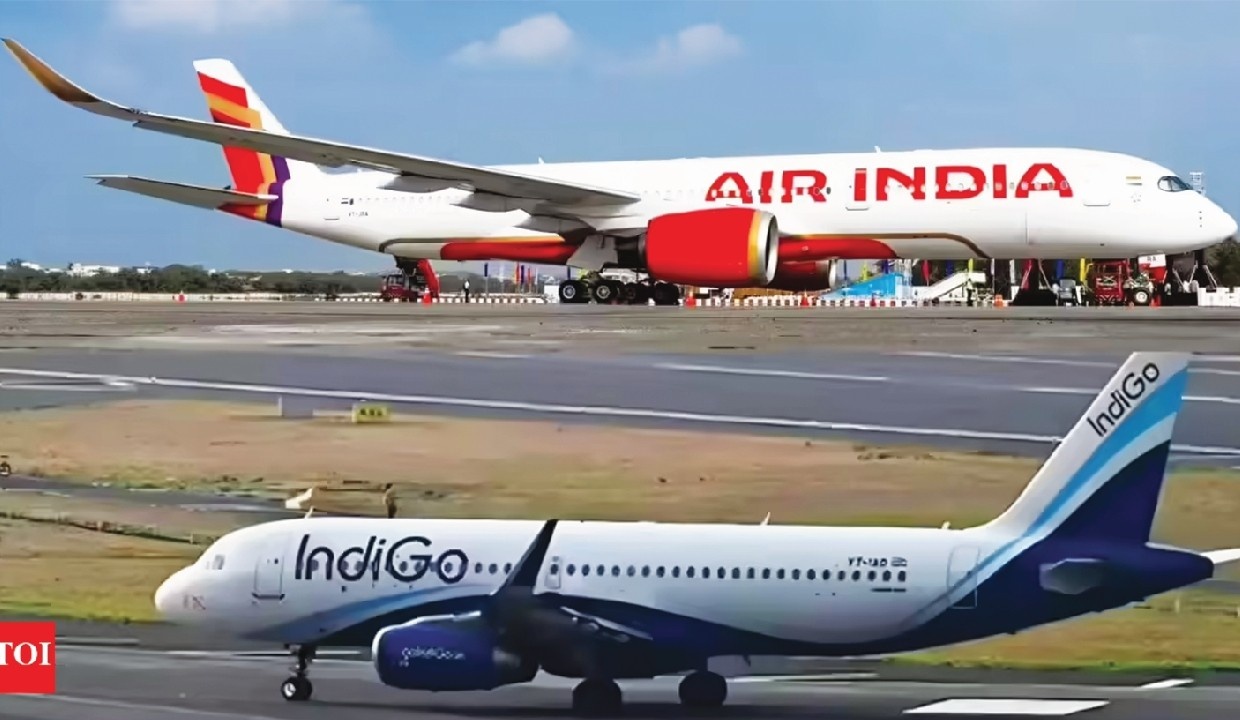
Air India and Indigo are advising the Indian government to reduce aviation fuel taxes and certain airport charges, as the Middle East conflict affects airline operations and increases costs. Both airlines are facing challenges due to Middle Eastern airspace restrictions, which have forced airlines to change their international routes. At the same time, Indian airlines can't use Pakistani airspace as a result of the ongoing diplomatic tensions between India and Pakistan.
The combined restrictions have led to longer flight paths and higher fuel consumption. For example, IndiGo has been operating flights to the UK through routes that pass through Africa. At the same time, Air India has added stops on some flights to North America to manage operational constraints.
As reported by industry sources, the airlines have requested that the government offer monetary relief, particularly through reductions in aviation-related taxes and charges. One important demand from IndiGo is a reduction in taxes on aviation turbine fuel, accounting for around 30 to 40% of airline operating costs.
ATF in India currently attracts a federal tax of about 11%, along with
additional state levies that can reach up to 29% in some regions. Airlines
contend that reducing these taxes could ease monetary pressure throughout the
current crisis.
The carriers have also asked the government to justify charges at privately operated airports. Industry officials claim that some passenger-related fees at private airports are greater than those at government-run facilities, snowballing operating costs for airlines.
Data from aviation analytics firm Cirium show that Indian airlines operated only about 64% of their scheduled flights to the Middle East, Europe and North America between February 28 and March 9 because of the conflict.
Financial analysts warn that the crisis could place added strain on airline profitability. HSBC recently noted that the situation in the Middle East could create a burden on the cost structure and profitability of Indian airlines.
In the meantime, Air India has requested that the government decrease taxes on premium economy tickets from 18% to 5%. The airline, owned by Tata Group and Singapore Airlines, has already projected that the Pakistan airspace ban could cost the carrier about USD 600 million per annum.
Source: TravelBiz
From selecting the right drone to finding a course, our team can guide you through every step of your drone journey.