Aviation Training
Aircraft Pilot
Indias Domestic Aviation Demand Strengthens in October 2025
India’s aviation landscape for October 2025 indicates that
domestic air passenger traffic, ICRA's projections, and passenger load factor
trends reflect underlying resilience in the nation’s travel ecosystem. There is
a noticeable rise in overall travel interest, driven mainly by renewed
confidence among leisure travellers, improved fleet availability, and seasonal
tourism peaks that frequently inspire movement across key states and cities. According
to the latest analysis by ICRA, passenger movements across Indian airports have
been supported not only by higher flight occupancy but also by sustained
recovery in aviation-related operations, which have contributed significantly
to travel and tourism in the country.
In October, domestic air passenger traffic in India grew in
line with broader improvements across the national aviation network, suggesting
the sector has efficiently adapted to operational challenges. Encouraging
numbers in capacity deployment, combined with consistently strong interest amongst
travellers heading to established and emerging destinations, have helped create
a stable foundation for the aviation outlook. This expansion is significant for
India’s travel sector, where air connectivity is important in linking tourism
hubs and supporting regional economies.
Steady Growth Reflected in India’s Domestic Aviation Activity
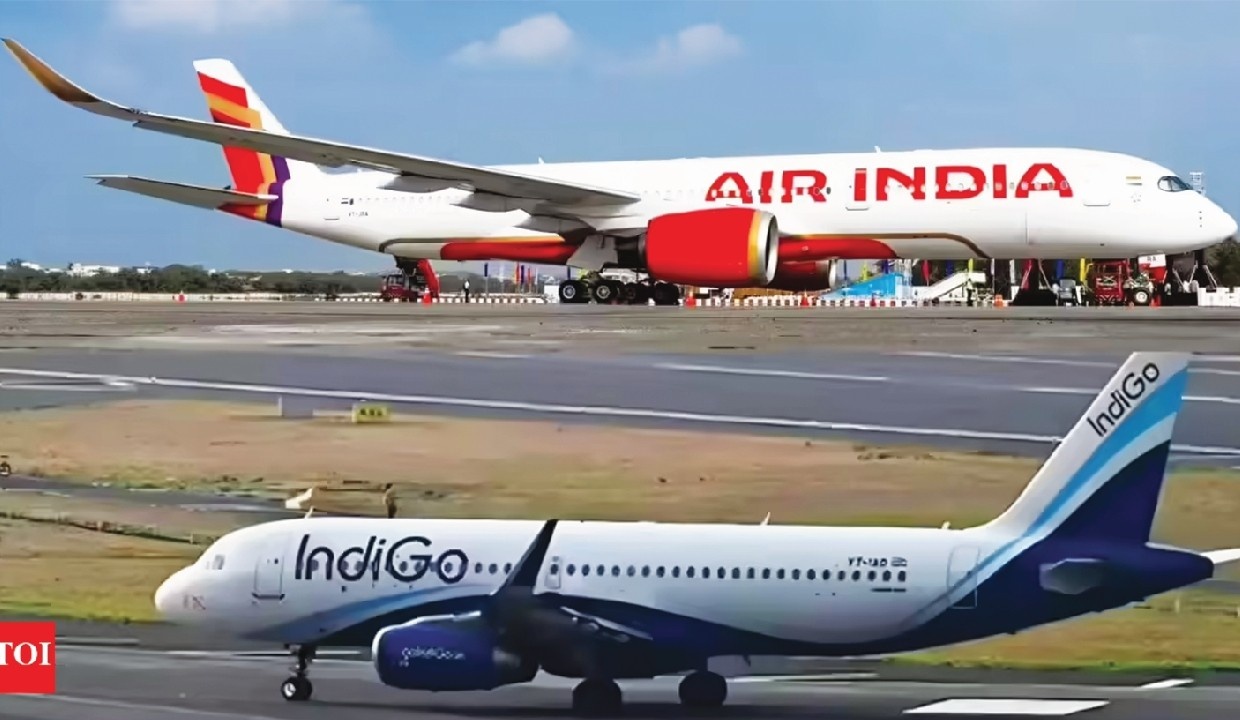
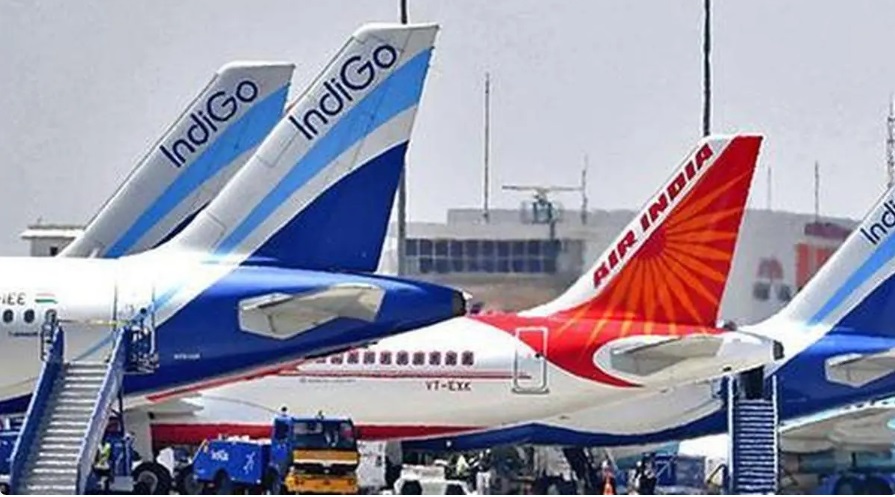
The domestic aviation sector in India has been observed
moving through a phase of renewed momentum in October 2025, with ICRA
estimating that passenger traffic reached 14.28 million during the month. This signified
a 4.5% increase over the 13.6 million passengers who travelled in October 2024.
The month-on-month growth of 12.9% compared to September 2025 further indicated
that the aviation landscape is benefiting from a surge in holiday travel,
festival-related movement, and improved connectivity across the country’s major
travel corridors.
India’s domestic aviation network, supporting vital tourism
flows across states such as Goa, Rajasthan, Himachal Pradesh, Kerala, and Jammu
and Kashmir, has anchored the resurgence of intra-country travel. With
improving convenience and accessibility, the sector has played a central role
in revitalizing local tourism economies that depend heavily on air-linked
visitors.
Passenger Load Factors Highlight Sustained Travel Demand
The average passenger load, one of the strongest indicators
of aviation demand, stood at 84.7% during October 2025. This marked an
improvement over the 82.4% recorded in October 2024. This shift is a clear
reflection of strong, consistent consumer appetite for travel within India.
A high PLF has also been advantageous for airlines operating
in the country, allowing more efficient seat use and improving operational
stability. Tourist-heavy routes, for example, those connecting Delhi to Leh,
Mumbai to Kochi and Bengaluru to Port Blair, have contributed to these
strengthened load factors. Seasonal demand for hill stations and beach
destinations has a big role in shaping this positive trajectory.
Return of Grounded Aircraft Helps Ease Operational Pressure
In October, domestic capacity deployment rose 1.7% year on
year, with a 10.8% consecutive increase. These improvements were due to the
return of grounded aircraft to service and by airlines' improved fleet
utilization. India’s aviation sector has been experiencing periodic constraints
due to supply chain delays, upkeep requirements and global market
uncertainties. The reintroduction of grounded aircraft has therefore been
instrumental in stabilizing seat availability across the country.
This enhanced capacity has supported tourism-dependent
regions where flight frequencies are vital for maintaining tourist arrivals.
Improved seat supply has also helped travellers visiting pilgrimage sites,
wildlife reserves, luxury resort destinations and remote hill regions in India
that depend heavily on-air connectivity.
Performance Overview for the First Seven Months of FY26
From April to October 2025, India’s domestic air passenger
traffic is projected at 94.45 million, a modest year-on-year increase of 1.6
per cent. Though this increase has been measured against the more robust
recovery phase witnessed in FY25, it has nevertheless indicated stability in
the sector among various global and domestic challenges.
In the corresponding seven months of FY25, domestic air
passenger traffic was about 1,653.8 lakh, which reflected a stronger 7.6%
year-on-year expansion. This earlier growth aligned with ICRA’s projections of
7-10% for FY25. Broader financial sentiment, temporary disruptions and evolving
passenger behaviour patterns in business and leisure travel have influenced the
shift from high to moderate growth in FY26.
External Factors Shaping the Aviation Environment
While travel demand remains healthy, ICRA has highlighted numerous
factors that could shape growth consequences in the near future. Cross-border
tensions have introduced doubts into aviation routes, while ATC disruptions
have added operational intricacy to flight scheduling. Also, a mild softening
in business travel sentiment has been observed due to shifting corporate
priorities, remote-work dynamics, and ongoing global market conditions.
Despite these influences, tourism-driven demand continues to
anchor the domestic travel ecosystem. Enthusiasm amongst holidaymakers has
remained high, particularly as India offers diverse travel landscapes that
attract both repeat and first-time flyers. Augmented interest in short-haul
trips, experiential tourism and flexible weekend travel has helped preserve
consistent passenger movement across domestic airports.
Stability Expected for FY26 Aviation Outlook
ICRA has placed a Stable outlook on India’s aviation industry
for FY26. Domestic traffic growth is projected at 4 to 6%, while international
traffic is projected to rise by 13 to 15%. These projections confirm that
India’s aviation system is well-positioned for gradual, sustained growth,
supported by strong fundamentals such as airport upgrades, enhanced airline
efficiency, and expanding networks serving key tourism circuits.
International travel demand linked to routes connecting India
to Southeast Asia, the Middle East and Europe has also been contributing to a
positive aviation environment. As new flights and restored routes, such as Air
India’s planned resumption of Delhi–Shanghai operations, become available,
India’s position in the global travel network is expected to strengthen further.
Source: Travel and Tour World
Saheel Singh
19 Nov 2025