Indian Airlines Seeks Relief Amid Rising Costs
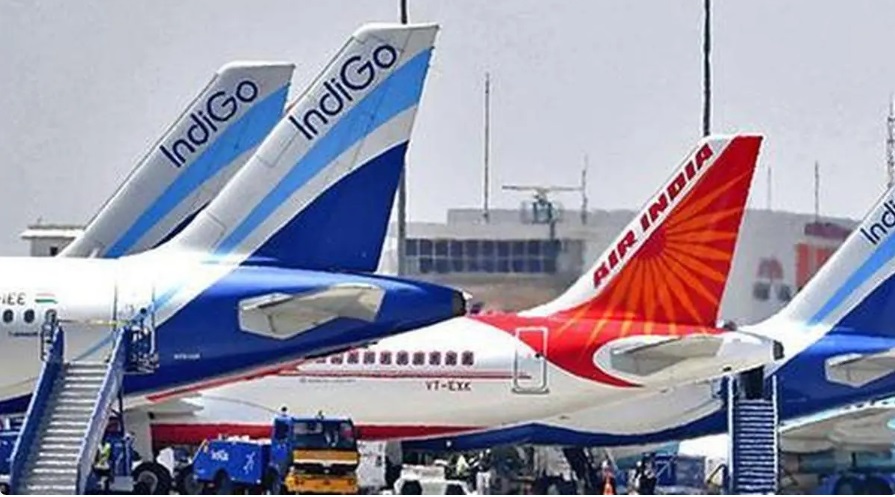
Air India and Indigo are advising the Indian government to reduce aviation fuel taxes and certain airport charges, as the Middle East conflict

Various safety measures were announced by the DGCA for non-scheduled operators following a high-level meeting to address the increase in aviation incidents. The meeting with all non-scheduled operators was held after a review of accident data from the last decade.
The analysis identified non-adherence to standard operating procedures, insufficient flight planning and training deficiencies as the key contributing factors in aircraft accidents in the industry.
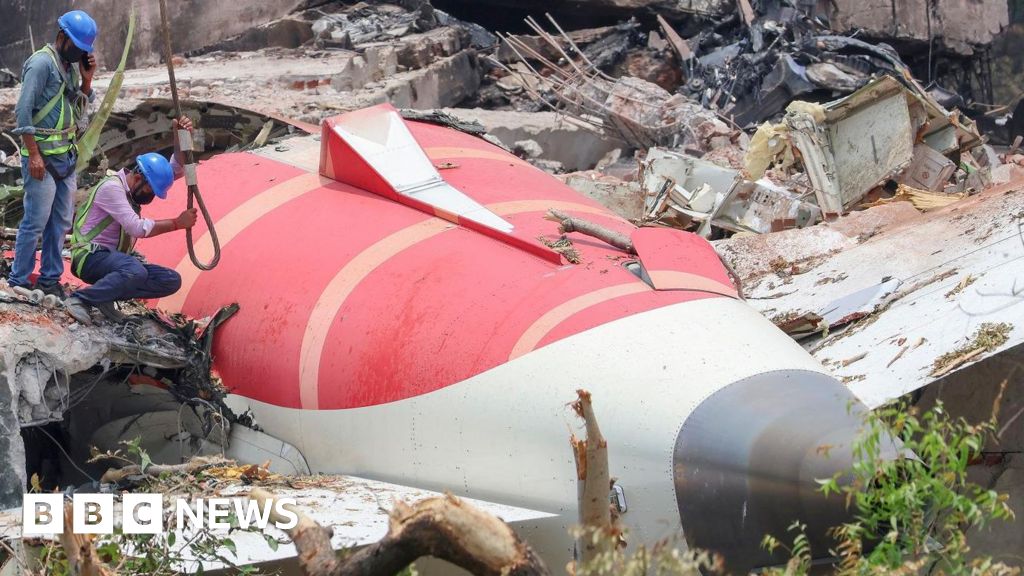
A Red Bird Airways-operated air ambulance crashed in Jharkhand on 23rd February 2026, killing all 7 people travelling. In January, a VSR Ventures aircraft also crashed in Maharashtra, killing the people on board, including NCP leader Ajit Pawar.
There have been various chopper crashes, such as those operating in the Char Dham sector. All of them involved Non-Scheduled Operators.
Safety Over Commercial Pressure
Emphasizing a zero-tolerance approach to safety violations, the DGCA stated that safety considerations must take priority over all commercial interests, including charter commitments and VIP movements.
The regulator also stated that the pilot-in-command's decision to divert, delay or cancel a flight on safety grounds is final and must be respected without any commercial consequences.
As part of improved oversight, the DGCA announced that NSOPs must publicly disclose safety-critical information. Operators should publish aircraft age, maintenance history and pilot experience on their websites to guarantee greater transparency for customers.
A safety ranking system will be introduced by the DGCA for all non-scheduled operators, with rankings and evaluation criteria to be published on the website. Furthermore, intensified audits will be conducted with regard to random checks of cockpit voice recorders, fuel records and technical logs, for the detection of any unauthorized operations or data falsification.
To strengthen accountability, the DGCA stated that senior management and accountable managers would be responsible for systemic non-compliance, making it clear that safety lapses cannot be credited solely to pilots.
The new measures comprise stricter penalties for violations of flight duty time limitations and attempt to land prescribed safety minima below. Such violations could result in suspensions of up to 5 years for pilot licenses, while non-compliant operators may face consequences or permit suspensions.
The DGCA also announced improved monitoring of older aircraft and operators experiencing ownership changes. Operators with insufficient in-house maintenance facilities shall outsource maintenance to approved maintenance, repair, and overhaul organizations.
Stating that weather-related accidents result from poor judgment, DGCA mandated instantaneous weather update systems and recurring pilot training, with increased emphasis on weather awareness and decision-making in uncontrolled environments.
The regulator confirmed that Phase 1 of a special safety audit of NSOPs is about to be completed, with Phase 2 to cover the outstanding operators in early March. A physical safety workshop will also be organized after the audits to ensure alignment among all stakeholders with the new operational mandates.
Source: NDTV
Connect with our aviation mentors to find the right path toward becoming a licensed aircraft pilot.