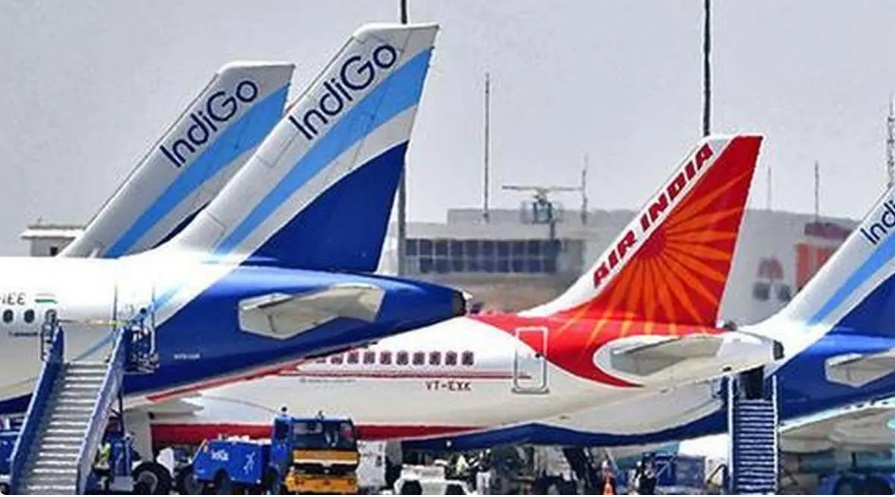
Indian Airlines Seeks Relief Amid Rising Costs
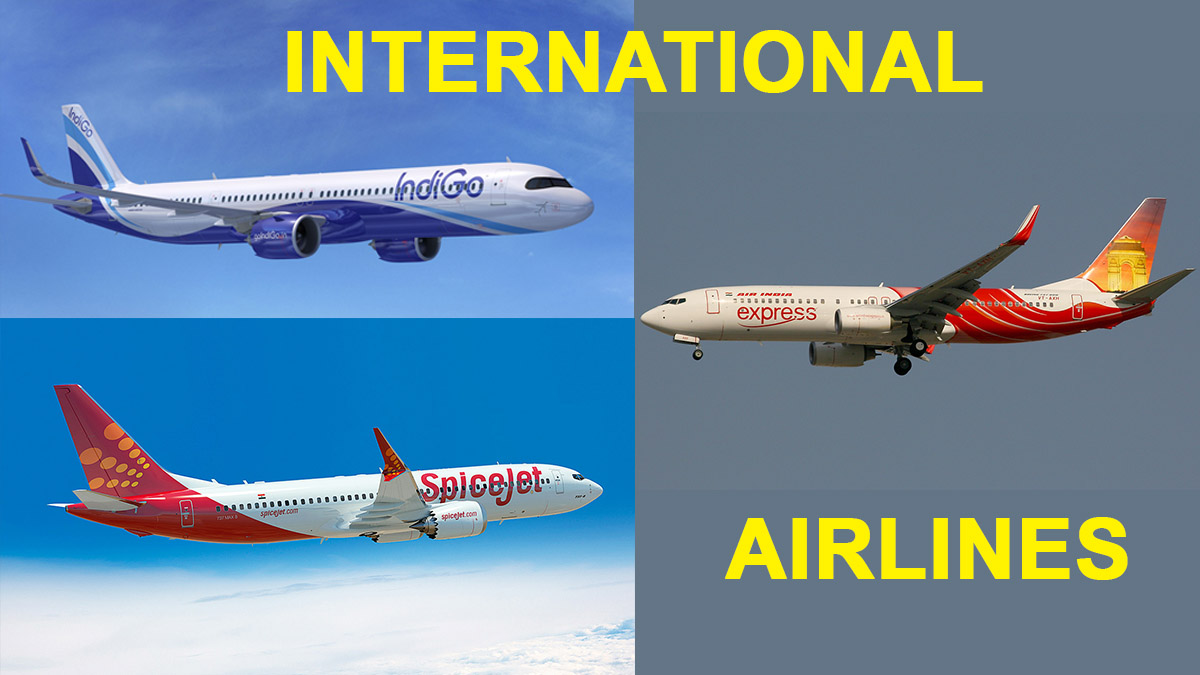
Air India and Indigo are advising the Indian government to reduce aviation fuel taxes and certain airport charges, as the Middle East conflict
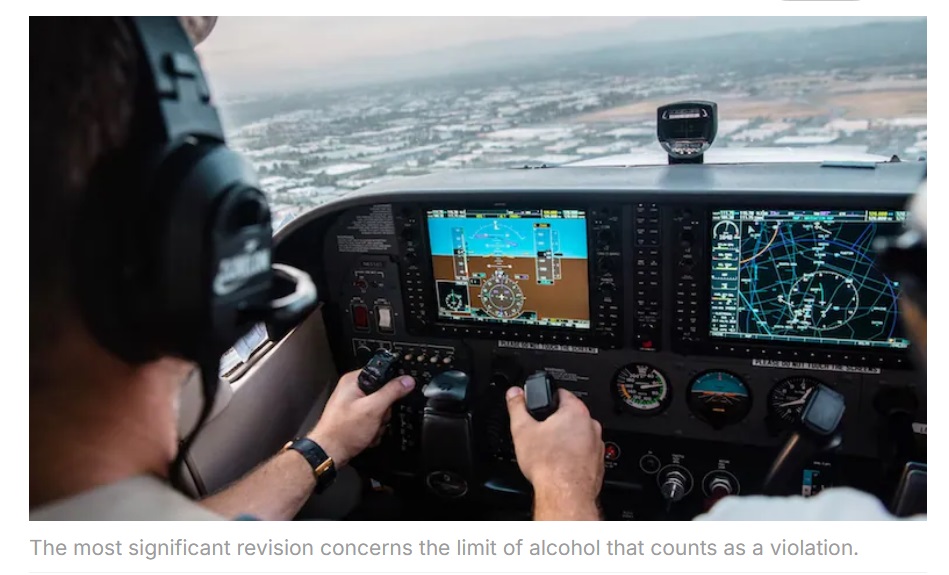

DGCA has introduced stricter breath analyzer test requirements for pilots, under which licenses issued to pilots who repeatedly violate the norms could be cancelled.
Under the revised norms, effective from February 9, the FATA (Foreign Aircrew Temporary Authorisation) of an expatriate pilot operating in India will be cancelled if the cockpit crew member tests positive for alcohol during the pre-flight breath analyser examination.
Amongst other provisions, the license of a pilot failing in a Breath Analyser (BA) test before operating a flight three times will be cancelled.
In September 2025, the DGCA proposed changes to the Civil Aviation Requirement on the procedure for medical examinations of crew members regarding the consumption of alcohol before and after operating a flight.
For BA readings up to 0.009% BAC or mg/dl for the first time, the crew shall be off rostered and counselled. For scheduled operators, the Chief Medical Officer and the Chief of Flight Safety shall perform counselling on the adverse impact of alcohol and then release the operator for flight.
For all operators except scheduled operators, counselling shall be conducted by the Accountable Manager and the Chief of Flight Safety/CFI. All cases shall be reported to DGCA; though, this shall not be endorsed on crew license/approval," as stated by the revised DGCA norms.
BAC refers to Blood Alcohol Content.
Under the new CAR, a pilot's license will be suspended if they test positive on the second pre-flight breath analyser test, or if the first test is positive and the second is missed.
Implementation actions for post-flight breath analyser positive/missed breath analyser test would involve a 3-year suspension of license/approval of the crew whose breath analyzer test is positive in post-flight in one instance and missed the test in another instance or vice versa.
As stated by the DGCA, blood level is not the sole factor of flying safety after drinking, because a person may have reduced their blood alcohol level to zero, but still be impaired because of "hangover".
This is why the rules require 12 hours of abstinence from alcohol before flying.
As stated by the DGCA, the physiological and performance effects of alcohol might persist for up to 2–3 days. Considering the harmful impact of alcohol on cognitive and physical performance, airlines may implement even stricter abstinence requirements before flight operations.
For foreign flights, compliance will be ensured upon landing in India. However, for flights originating in India and transiting through India, DGCA will establish a pre-flight medical facility at the point of origin, it stated.
If a crew member operates a flight without undergoing the pre-flight breath analyser examination, the airline's Chief of Operations and the crew member involved should guarantee that the post-flight breath analyser examination is done at the first port of landing. If it tests negative, he or she may continue operating the remaining sectors, and this will be reported to DGCA.
Source: NDTV
From selecting the right drone to finding a course, our team can guide you through every step of your drone journey.