Insights on Us

Explore articles and updates related to Us in the aviation and drone industry.

Defence Gets Big Firepower Amidst Pakistan, China Threats
Make In India Atamnirbhar Bharat

Defence Gets Big Firepower Amidst Pakistan, China Threats

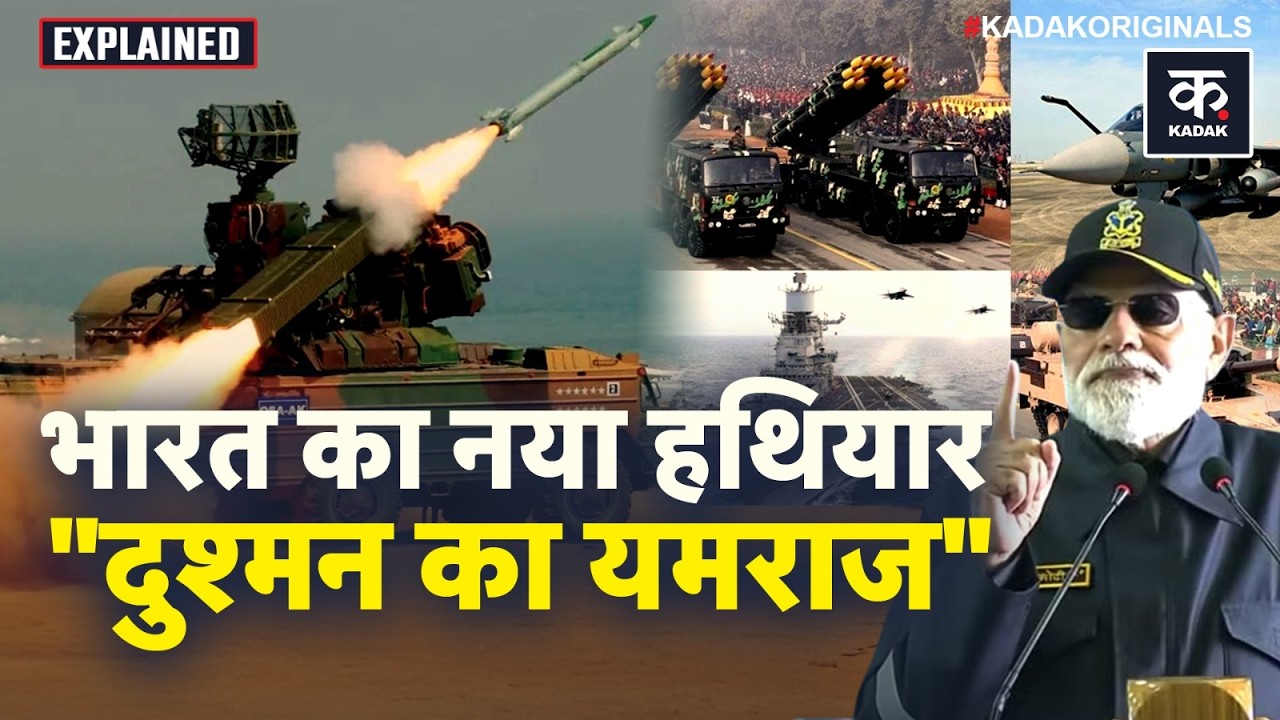
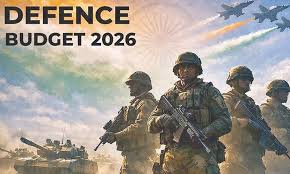
A total of INR 63,733 crore is owed to aircraft and aeroengines, and INR 25,023 crore to the naval fleet. The Defence Ministry has received a 15% increase in its budget, with capital expenditure rising from INR 1.80 lakh crore in the previous year to INR 2.19 lakh crore in FY 2026-27, a 21.84% increase. Recently, India has emphasized on air power. The promotion of indigenous weapons and defence equipment production under the 'Make in India' and 'Atmanirbhar Bharat' is now clearly visible. The increased defence budget will boost indigenous defence production, enable the acquisition of contemporary weapon systems, and strengthen the armed forces' operational capabilities. Strengthening India's Air Power: The Current Fleet of 36 Rafale Fighter Jets The Defence Ministry is currently working on several large and important projects and will launch new schemes. The Indian Air Force currently operates 36 Rafale fighter jets, which have significantly improved its operational capabilities. The plans to procure additional Rafale jets are also under consideration to meet the Air Force's requirements. UAVs' Role Clarified After Operation Sindoor The Russia-Ukraine war and Operation Sindoor have highlighted the power of air power for India.   It was a firsthand experience for India when drones were used extensively to demolish the Pakistani terrorist camps. This has underlined their increasing role in contemporary warfare. Drones are increasingly used for surveillance, gathering information and precision strikes. The expansion of drone manufacturing and related technologies is a top priority for the Indian government. Many projects are underway, including the acquisition of MQ-9B drones, the development of indigenous drones and the deployment of counter-drones. The government wants to increase domestic production, indigenous weapons production and exports. Following Operation Sindoor, tensions with Pakistan have increased and there are also border challenges with China. Defence Secretary Welcomes the Decision The Defence Secretary welcomed the Budget 2026-27. The allocation for defence pensions has also augmented, with the government assigning INR 1,71,338.22 crore for this purpose. Source: Economic Times

Saheel Singh 03 Feb 2026
IndiGo Focuses on Building Resilience After the December Operations Glitch
Indigo DGCA

IndiGo Focuses on Building Resilience After the December Operations Glitch

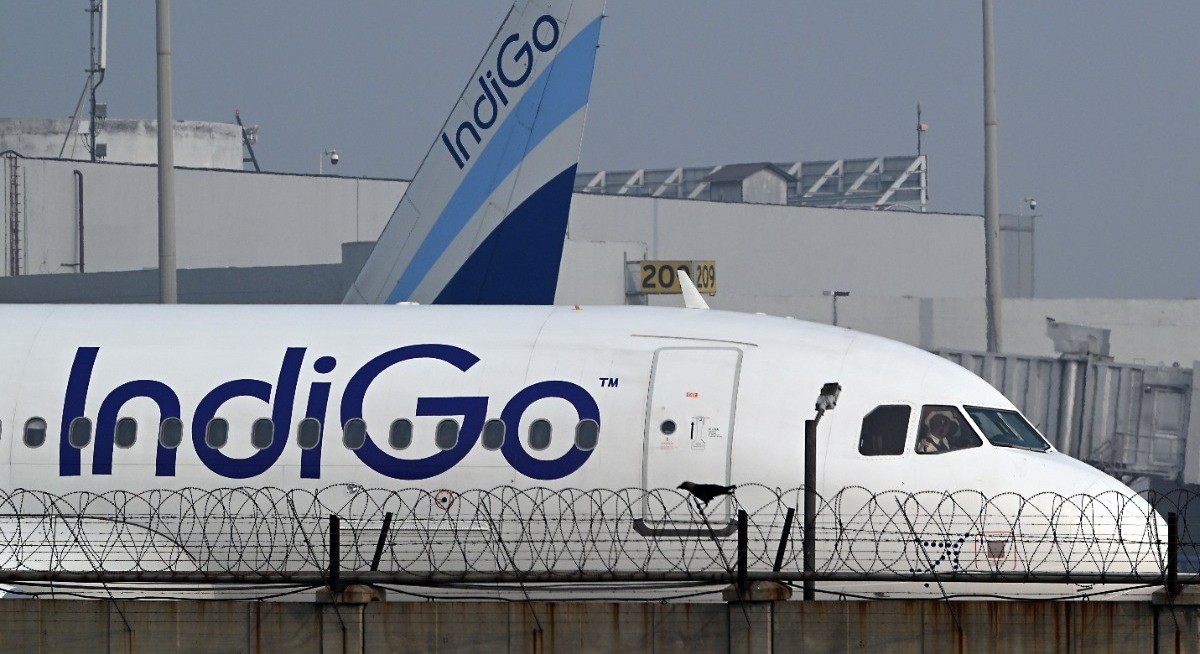
IndiGo will focus on strengthening operations and internal processes this year, following a severe system failure in December that exposed the limits of the Indian budget carrier’s rapid development.   “Building resilience in the system and making sure that the enormous ops we have today, with 2,200 daily flights, is additionally solidified” will be a key priority for the airline this year, CEO Pieter Elbers said at the Singapore Airshow on Tuesday. There was an operational meltdown at Indigo in the first week of December, resulting in the cancellation of 2,500 flights over three days. The chaos prompted an intervention by the DGCA, which imposed a fine and held management responsible for the disruption. According to the CEO, the company has re-evaluated its systems following the failure, though he didn’t provide any concrete operational changes.  IndiGo now operates over 2,200 flights a day, carrying up to 380,000 passengers. Capacity for the quarter ending March will grow by about 10%. The company lately begun operating its Airbus SE A321 XLR, which can perform long-distance missions on a smaller single-aisle aircraft. After launching flights to Athens from Delhi and Mumbai in January 2026, the airline will now add Istanbul to its route network.  Source: Business Standard

Saheel Singh 03 Feb 2026
Air India Converts 15 Airbus A321NEO Orders to Latest A321XLR
Air India Airbus

Air India Converts 15 Airbus A321NEO Orders to Latest A321XLR

Air India announced the conversion of 15 of its existing orders for Airbus A321neo aircraft to the advanced Airbus A321XLR (Extra Long Range) variant. The conversion of the orders was announced at Wings India 2026. The conversion is part of Air India’s breakthrough orders placed with Airbus in 2023, with an extra order in 2024, totalling 50 twin-aisle A350 and 300 single-aisle A320 Family aircraft. Of the 300 single-aisle aircraft, this adaptation to A321XLR applies to 15 of the 210 A321neo aircraft ordered, while the remaining 90 A320neo remain as initially configured. The deliveries of the 15 A321XLR are expected between 2029 and 2030. The A321XLR, the state-of-the-art variant of the widely successful A320neo Family, offers a range of up to 4,700 nautical miles while delivering extraordinary fuel efficiency, lower emissions and superior onboard comfort for passengers. This capability will enable Air India to open new nonstop international routes and optimize high-demand, medium-haul international services with the flight economics of a single-aisle aircraft. The CEO and MD of Air India said: “The strategic conversion of a portion of our single-aisle Airbus aircraft orders to the A321XLR is in line with our effort of aligning Air India for the future. While we are accelerating the conversion of our current fleet with new and retrofitted aircraft, we are also building our future fleet to serve the rapidly evolving needs of travellers to and from India. We are pleased with our strong partnership with Airbus, which continues to support our vision through its commitment to aviation excellence. Air India's decision to choose the A321XLR is a considerable endorsement of this game-changing aircraft. The A321XLR is a revenue generator by improving incidences, managing seasonality and optimizing capacity on medium-haul routes. Air India, leveraging the XLR’s competencies and range, will open new prospects and strengthen India's connections with the rest of the world. The two companies are 50:50 partners and have set up a pilot training centre, inaugurated in September 2025 at the Air India Training Academy in Gurugram.   It has 10 Full Flight Simulators and will train more than 5,000 new pilots in the next ten years, supporting commercial aviation growth in the country. Air India presently has 542 outstanding deliveries of new aircraft out of its total firm orders for 600 aircraft, underlining its commitment to building one of the world's youngest and most effective fleets to support India's growing aviation ambitions. Since January 2022, Air India has added about 170 aircraft to its fleet, marking considerable progress in capacity expansion and fleet modernization. Source: Air India

Saheel Singh 03 Feb 2026
Airbus Expects Indian Airlines to Triple its Fleets over the Next Decade
Airbus New Aircraft

Airbus Expects Indian Airlines to Triple its Fleets over the Next Decade

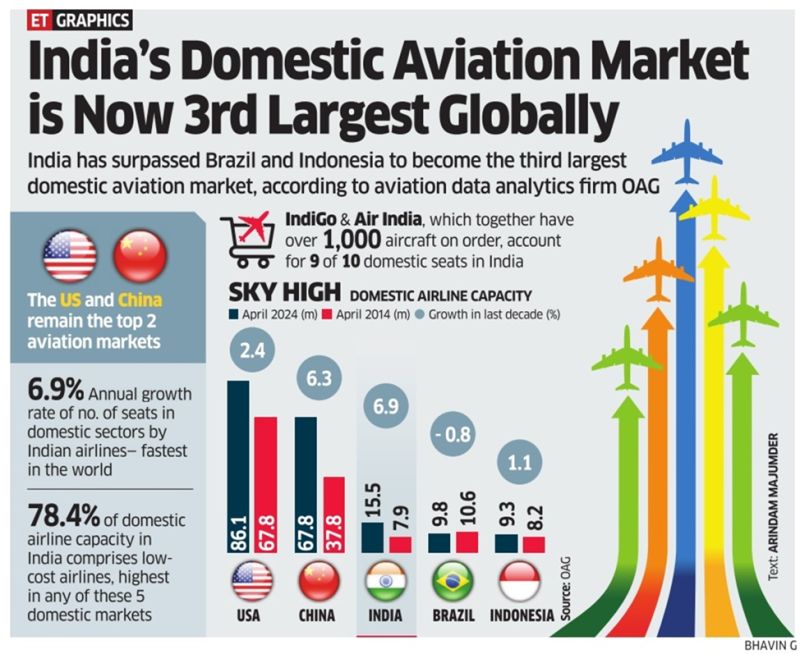
Airbus said on Thursday that Indian carriers will triple their fleets to 2,250 jets over the next 10 years, driven by robust economic growth, a growing middle class, and a surge in first-time flyers. In a similar outlook for India, Boeing said that airlines in the region, a key battleground for plane makers now dominated by Airbus, would need approximately 3,300 new aircraft by 2044. The aerospace industry closely monitors regional forecasts from aircraft manufacturers, as India is the world’s 3 rd largest domestic aviation market after the US and China, led by the two major carriers, IndiGo and Air India. But India’s aviation industry is still at an early stage, with trips per capita at 0.13, well below comparable regions, said Jürgen Westermeier, Airbus president and MD for India and South Asia. This leaves considerable room for more Indians to accept air travel, he added in a forecast. "Some services in aerospace will now benefit from the reduction in tariffs after the India-EU trade agreement," Westermeier said, referring to this week's landmark deal. India has mirrored a global rush for large-aircraft orders as carriers expand capacity, retire older jets, and respond to post-COVID-19 travel demand. Indian carriers have placed large jet orders in recent years, positioning them to scale their fleets, unlike in mature markets, which primarily seek to replace older planes. Airbus was the world’s largest plane maker last year despite headwinds brought by engine shortages, supply chain issues and tariff pressures. Source: The Economic Times

Saheel Singh 02 Feb 2026
India Positioned Third Among the Largest Aviation Markets
AviationTraining Aviation

India Positioned Third Among the Largest Aviation Markets

India is the world’s third-fastest-growing domestic aviation market, with an annual growth rate of 10–12 per cent, according to Ram Mohan Naidu, the Indian Civil Aviation Minister. At the World Economic Forum in Davos, he outlined the government’s longstanding vision for India’s civil aviation industry, highlighting determined expansion plans and growing industry demand. The government will expand India’s airport network to 350 airports by 2047, up from the present 164, while Indian airlines have placed orders for approximately 1,700 new aircraft, signalling robust growth in capacity and passenger demand. On international cooperation, Naidu met with EU Transport Commissioner Apostolos Tzitzikostas to discuss strengthening the partnership between the EU Aviation Safety Agency and India’s DGCA. The main areas of discussion comprised joint certification, cybersecurity and drone regulations. The minister also met separately with Airbus and Boeing , advising them to establish aircraft component manufacturing, maintenance, repair and overhaul facilities in India. He highlighted the development of helicopter services to support tourism, emergency medical services, and regional connectivity. Naidu, the aviation minister, when speaking with global investors at the India Pavilion in Davos, emphasized the importance of fuel competence and the acceptance of Sustainable Aviation Fuel to decrease working costs, thus making air travel more reasonably priced for passengers. He presented India’s aviation transformation through visual presentations, generating strong interest among international delegates. Source: Construction World

Saheel Singh 29 Jan 2026
First ‘Made in India’ C-295 Aircraft to Roll Out Before September:  Jaishankar
Airbus Indian Aircraft

First ‘Made in India’ C-295 Aircraft to Roll Out Before September: Jaishankar

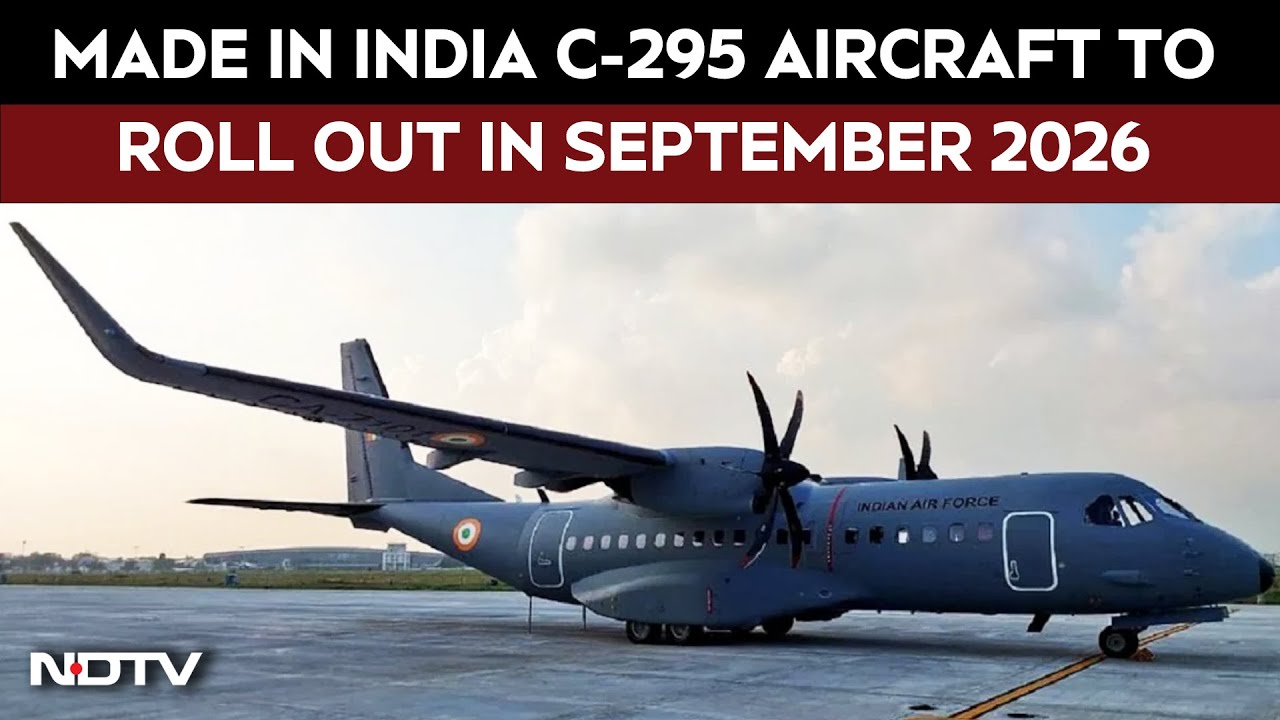
Nearly two years after Airbus–Tata C-295 Final Assembly Line in Vadodara was inaugurated in October 2024, the first ‘Made in India’ C-295 aircraft will roll out of the factory before September 2026, External Affairs Minister S Jaishankar said on Wednesday. Jaishankar met Spain’s Foreign Minister José Manuel Albares in Delhi on Wednesday and said the advance reflects the “growing depth of our defence industrial collaboration” The Airbus C295 is a medium-range twin-engine turboprop tactical transport aeroplane that was initially manufactured by the Spanish aerospace company CASA, now part of the European multinational Airbus Defence and Space division. The Spanish Foreign Minister said they reviewed bilateral relations and main international issues and they also agreed to work together to elevate the association to a strategic partnership in the near future. Jaishankar said India and Spain have friendly relations, rooted in shared democratic values and “respect for multilateralism and a rule-based order”. “Our political engagement has grown progressively, marked by regular high-level exchanges,” he said. Emphasising that “economic partnership is a significant pillar of our relationship”, the EAM said, “Spain is amongst India’s significant trade partners in the EU and our bilateral trade in goods has crossed USD 8 billion recently.” As stated by Spain’s Foreign Ministry, Albares recently assessed the development of trade relations “very positively”, describing it as “characterized by significant and more balanced growth than in previous periods”. India and Spain will celebrate this year the 70th anniversary of the establishment of political relations, along with the Dual Year of Culture, Tourism and AI.   The C-295 Aircraft Manufacturing Deal In 2021, India signed a Rs 21,935 crore deal with Airbus Defence and Space to acquire 56 C295 aircraft. Under the agreement, Airbus promised to deliver the first 16 aircraft in ‘fly-away’ condition from its final assembly line in Seville, Spain,in 4 years and the next 40 aircraft were to be produced by Tata Advanced Systems Ltd in India. Source: The Hindu

Saheel Singh 22 Jan 2026
India Buys Belarus-Made Berkut-BM Attack Drones
Defence Drones Military Drones

India Buys Belarus-Made Berkut-BM Attack Drones

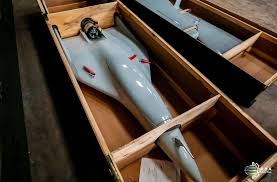
India has acquired dozens of Belarus-made Berkut-BM one-way attack drones. The Berkut-BM is a kamikaze drone developed by the Indela company in Belarus and intended to strike time-sensitive battlefield targets before they can relocate. The system has compact, Chinese-made micro turbojet engines from Swiwin, giving the drone high dash speed and short engagement times that decrease the window for interception. Technical data for the platform demonstrates that the Berkut-BM can reach speeds of up to 410 kilometres per hour, with an operational range of about 150 kilometres, contingent on the mission profile and altitude. The drone is optimized for swift ingress, terminal dive and precision impact against fixed or relocatable targets. The drone carries a 10kg high-explosive fragmentation warhead envisioned for use against radar installations, missile batteries, artillery positions and logistics nodes. Its strike profile is customized for missions where targets must be demolished quickly. The Berkut-BM is a product of a catapult, allowing deployment from forward areas lacking permanent infrastructure. This lets mobile and concealed launch operations, offering field commanders superior flexibility to position launch sites closer to the line of contact. Belarus has previously exported these drones to Venezuela, Russia, Algeria, and the Sudanese Rapid Support Forces. The system is a low-priced alternative to cruise missiles for targeting high-value assets. The reported Indian acquisition comes as loitering munitions and one-way attack drones will reform battlefield operations, primarily in conflicts where air defence systems are under continuous pressure from saturation attacks. Jet-powered drones are a subcategory of this category, ensuring endurance for speed and reduced reaction time for the defence systems. India has extended its drone portfolio, integrating both foreign and domestic systems into its armed forces. The acquisition of Berkut-BM drones would place a moving weaponry in conjunction with India’s existing inventory of propeller-driven systems and precision-guided weapons. Source: Military Watch Magazine

Saheel Singh 21 Jan 2026
 iCreate Drone Challenge: Enhancing India’s Indigenous Drone Innovation and Manufacturing
ICreate Drone Startups

iCreate Drone Challenge: Enhancing India’s Indigenous Drone Innovation and Manufacturing

Bringing together India’s best drone innovators for a Prototype Acceleration Programme, Ahmedabad, on 20 January 2026, iCreate, India’s leading deep-tech incubator, announced the start of the Prototype Acceleration Programme for the iCreate Drone Challenge 2025, held from 20 January to 13 February 2026. This Programme marks a development from a national search to a high-intensity prototype acceleration stage, proceeding India's advanced drones and indigenous components. The event was launched in October 2025, in association with Startup India, as part of the Bharat Startup Grand Challenge initiative. iDC 2025 is India’s first significant platform focused on redefining global benchmarks in drone speed, endurance, and payload capacity. The challenge’s primary focus is to prioritize component indigenization, thereby reducing India’s reliance on imported critical subsystems, such as propulsion, avionics, energy systems and advanced materials. Following nationwide outreach across all states and UTs, iCreate received more than 500 applications and accepted 14 startups for the rigorous Prototype Acceleration Programme. Demonstrating a substantial shift in India’s innovation landscape, about 43% of the applications were from Tier-II and Tier-III cities. Bringing Together India’s Finest Drone Innovators for a High-Intensity Prototype Acceleration Programme, Ahmedabad, 20 January 2026, International Centre for Entrepreneurship and Technology, India’s leading deep-tech incubator, proclaimed the start of the Prototype Acceleration Programme for the iCreate Drone Challenge 2025, being held from 20 January to 13 February 2026. This Programme marks a key transition from a national search to a high-intensity prototype-acceleration stage, advancing India's next-gen drones and indigenous components. The chosen startup will focus on Aerial Excellence and Component Indigenization, developing indigenous drone components and trailblazing drone platforms for civil and defence applications. There was a virtual address from the Head of Startup India, Ms Mamatha Venkatesh, who was highlighting Startup India’s vision of manufacturing-focused development as a matter of national importance for building competitive startups. She noted that the iCreate Drone Challenge, launched in association with Startup India, brings together startups, industry and government to support founders at an important stage. Emphasizing drones as a strategic industry for India, with use in agriculture, infrastructure, logistics, surveillance and public services, she encouraged all the participating startups to leverage the platform, industry access, and institutional support to accelerate their journey from innovation to scalable impact. Source: The Tribune

Saheel Singh 21 Jan 2026
Air India Long-Haul Flights Hit by Delays After Delhi-New York Flight Engine Damage
Air India Airbus

Air India Long-Haul Flights Hit by Delays After Delhi-New York Flight Engine Damage

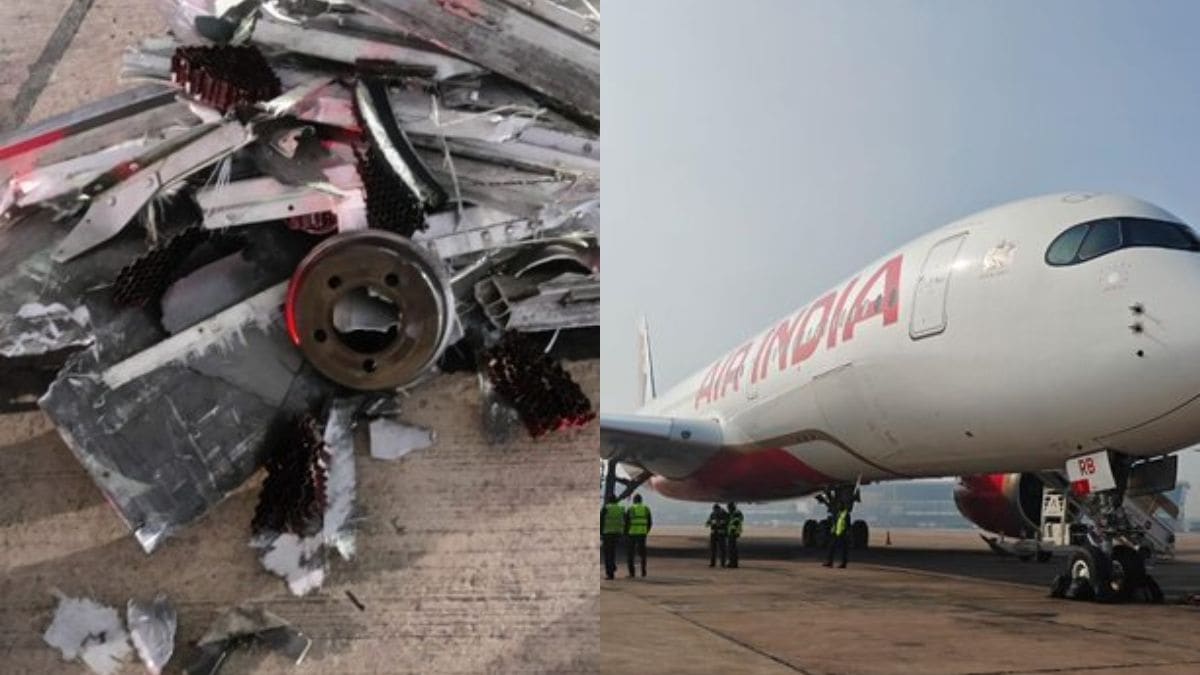
Air India has warned passengers that some long flights may be delayed or disrupted after one of its Airbus A350 aircraft was damaged at Delhi airport on Thursday. The problem occurred after the aircraft landed and was taxiing on the ground in dense fog. The plane struck a foreign object while en route to the parking area. Later, India’s DGCA confirmed that the object was a cargo container that had fallen off a vehicle and ended up on a taxiway. Further investigation is being carried out, the DGCA said. Photos shared on social media showed a hole in the engine’s air intake. Air India A350 Engine Damaged at Delhi  The aircraft, VT-JRB, was operating Flight AI101 from New Delhi to New York. Soon after take-off, the flight had to return to Delhi because Iranian airspace was suddenly closed. After landing safely at Runway 28 at IGI airport, the aircraft started taxiing towards the apron area. At the taxiway N and N4 intersection, one of the engines ingested a cargo container. The episode occurred around 5.25 am, when visibility was poor due to dense fog. The container was sucked into the aircraft’s No. 2 engine, causing the most damage. The civil aviation ministry shared more details about the incident. As stated by the ministry, a tug operated by BWFS was conveying baggage containers to the Baggage Make-up Area of Terminal 3. While crossing the taxiway joint on the vehicular lane, a container fell onto the taxiway. That container was in the aircraft's path and was sucked into the engine as the plane passed. What was Said by Air India? Air India confirmed that Flight AI101, operating from Delhi to New York, returned to Delhi shortly after takeoff because Iran closed its airspace, which affected its planned route. Post landing in Delhi, the aircraft was struck by a foreign object while taxiing in dense fog, which resulted in damage to the right engine.” “The aircraft was safely positioned at the parking stand, guaranteeing the safety of all passengers and crew on board”. What is Revealed by the Initial Investigation? Initial investigation has revealed that a BWFS tug conveying a few containers to the ‘Baggage Makeup Area’ of Terminal 3 crossed this intersection while on the vehicular lane. Throughout crossing, one of the containers collapsed onto the taxiway intersection. This container was downed into the No. 2 engine of the A350 aircraft. The aircraft is grounded as the investigation continues, and authorities are focusing on airside safety, particularly through low-visibility conditions.” Source: Financial Express

Saheel Singh 16 Jan 2026
Air India to Induce New Dreamliner on Long-haul International Routes from February
Air India Boeing

Air India to Induce New Dreamliner on Long-haul International Routes from February

Air India, an Indian aviation giant, will introduce a Boeing 787-9 aircraft for international long-haul routes in February 2026. It is done in line with the airline's effort to advance its fleet and improve the passenger experience. The first line of the aircraft was formally handed over to Air India at Boeing's Everett factory in Seattle, USA, on 7 January. After the transfer, the Dreamliner landed at Indira Gandhi International Airport on 11 January, completing a non-stop ferry flight of 16 hours and 58 minutes. The new Boeing 787-9 will enter international, long-haul commercial service in February 2026, and the operation schedule will be announced shortly. Aircraft to Feature Three Cabin Classes, Custom-Made Interiors As stated by the airline, the new aircraft has 296 seats across three classes: Business, Premium Economy, and Economy. It also has custom-made cabin interiors installed directly on Boeing's production line. More details about the aircraft will be revealed in the coming weeks. Air India last received a line-fit Dreamliner in October 2017 when the carrier was still under government ownership. Though the airline was acquired by the Tata Group in January 2022, it continues to operate to date. As stated by the company, it will induct 5 more wide-body planes this year, for instance A350-1000s and B787-9s. Air India Places Orders for Airbus and Boeing Planes Air India has also ordered 350 Airbus and 220 Boeing aircraft. From the Airbus order, six wide-body A350S have already been inducted into the Air India fleet. In the meantime, 51 narrow-body B737-8s have been transported to Air India Express, the Tata Group-owned low-cost subsidiary of Air India that focuses on short and medium-haul routes. Furthermore, Air India's legacy B787-8 aircraft are being retrofitted, meaning they are experiencing upgrades to their cabins, interiors and onboard systems. Many of these planes will complete the process and return to service with a refreshed nose-to-tail makeover in 2026. By the end of this year, approximately 60% of their wide-body fleet will have contemporary interiors. Source:   The Economic Times

Saheel Singh 13 Jan 2026
Zuppa Geo Navigation Partners with IISc to Establish Drone CoE for Indigenous UAV Technologies
Navigation Technologies Indigenous Navigation

Zuppa Geo Navigation Partners with IISc to Establish Drone CoE for Indigenous UAV Technologies

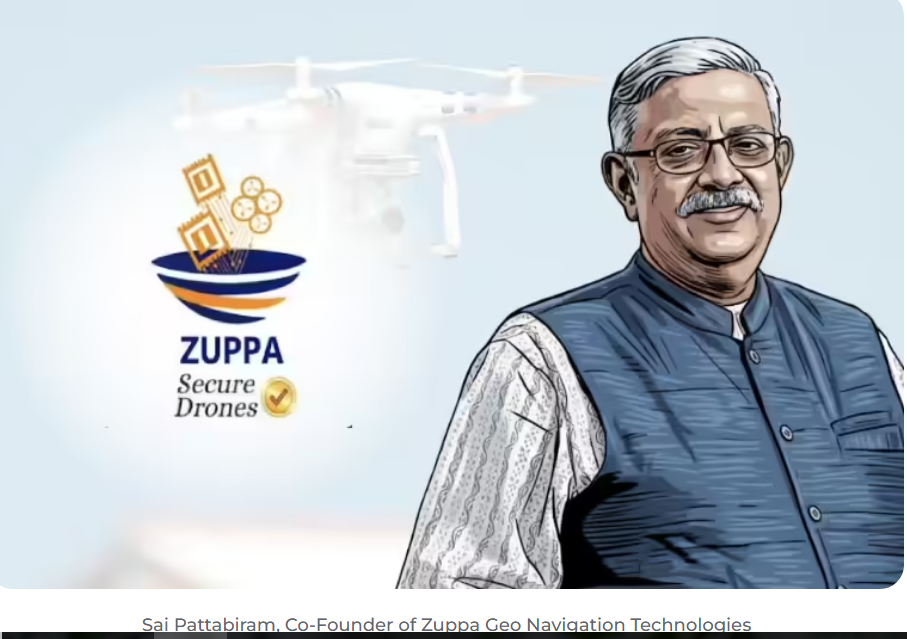
Zuppa Geo Navigation Technologies has partnered with the Indian Institute of Science, Bengaluru, to establish a Drone Centre of Excellence in the Department of Mechanical Engineering. This association will have India’s nose in the front of next-gen drone technologies, nurturing trailblazing innovations in aerial systems, autonomous platforms and cyber-physical integration. The newly established Drone CoE will act as a leading hub for trailblazing research, design and testing of drones. By combining Zuppa’s robust cyber-physical technology stack with IISc’s globally recognized expertise in aerodynamics, robotics, controls, and systems engineering, the CoE will quicken the exploration and expansion of indigenous drone technologies tailored to several applications spanning defence, agriculture, logistics, disaster management and smart cities. Speaking about this tactical initiative, Sai Pattabiram, Founder & MD of Zuppa Geo Navigation Technologies, said, "At Zuppa, we spearhead indigenous innovation in UAV and navigation systems. The establishment of this Centre of Excellence at IISc indicates a milestone in our journey, as it brings together academic excellence with industry-driven technological leadership. Together, we envision creating top-notch solutions that will not only transform drone innovation in India but also set global benchmarks." A senior representative from the Mechanical Engineering Department of IISc Bengaluru added, "By creating this CoE in partnership with Zuppa, we want to advance trailblazing drone research that integrates deep scientific insights with practical industry applications. This partnership will lay a strong foundation for fostering innovations in drone design, autonomy and performance." With the Drone CoE, Zuppa and IISc are charting a roadmap to strengthen India’s self-sufficiency in UAV technologies and to foster a new generation of researchers and engineers, which will propel India’s drone ecosystem to the next level.   Source : VARINDIA

Saheel Singh 29 Dec 2025
Indian Army Tests Indigenous Long-Range Drone Built to Beat Electronic Warfare
Autonomous Drones Long Range Drones

Indian Army Tests Indigenous Long-Range Drone Built to Beat Electronic Warfare

The Indian Army has moved toward strengthening its indigenous drone competencies with the successful trial of a new long-term drone designed to function even under intense electronic warfare conditions. The test was conducted at the Mahajan Field Firing Ranges in Rajasthan by the artillery division of the Kharga Corps. The drone, a fixed-wing platform with a range of about 100 kilometres, has been advanced through a collaboration between Chennai-based start-ups and Army engineers from the artillery arm. Senior military leadership observed the trial, which the Army defined as a milestone in its push for self-sufficiency in important technologies.   The Army said the successful demonstration marked a significant advance in the expansion of electronic warfare-resilient drone systems. Unlike conventional unmanned platforms that depend heavily on continuous radio links and satellite-based navigation, the newly tested drone is intended to function in contested electromagnetic environments. Contemporary battlefields more and more see adversaries attempting to jam, spoof or hijack drones by targeting their communication frequencies or GPS signals, frequently rendering them ineffective or even turning them against their operators. To counter such threats, electronic warfare-resilient drones use a combination of cutting-edge technologies. These comprise AI-driven mission control, onboard computing, visual and inertial navigation systems and pre-programmed flight paths that let the drone complete its task without constant external inputs. Anti-jamming communication techniques, for example, frequency hopping, low-probability-of-intercept signals and mesh networking, further improve survivability, while substitute control options can decrease vulnerability to electronic attacks. The emphasis on such systems reflects the varying nature of warfare. Drones are indispensable tools for surveillance, reconnaissance, communication support, logistics and precision strikes. Fresh conflicts, including the brief military confrontation between India and Pakistan earlier this year and the continuing Russia-Ukraine war, have underscored how decisive drones can be on the battlefield. Drawing lessons from these engagements, the Indian Army has been updating its operational doctrines and tactical concepts to integrate drones more deeply into combat roles. A series of field exercises has been conducted across wide-ranging terrains to test and refine the employment of unmanned platforms under realistic conditions. Over the past few years, the Army has inducted a wide spectrum of drones, ranging from small hand-held tactical drones used by infantry units to larger, long-endurance systems capable of operating deep into enemy territory. These platforms have been integrated across arms and services, as well as for tasks such as delivering supplies in high-altitude and remote areas. Simultaneously, the importance of indigenous development is growing. The Army, together with the other services, has been working closely with domestic industry and start-ups to design, develop and manufacture drones tailored to Indian operational requirements. In-house innovation, alongside enhanced training in drone warfare, is seen as critical to maintaining an edge in future conflicts. The successful trial in Rajasthan highlights how this method is starting to yield tangible results, supporting the Army’s broader objective of technological self-dependence while acclimatizing to the realities of contemporary, technology-driven warfare. Source: The Tribune

Saheel Singh 24 Dec 2025
Infini will Charge Mid-Air and Fly for a Year, Eliminating Surveillance Ships Costing Crores
Surveillance Drone Indigenous Technology

Infini will Charge Mid-Air and Fly for a Year, Eliminating Surveillance Ships Costing Crores

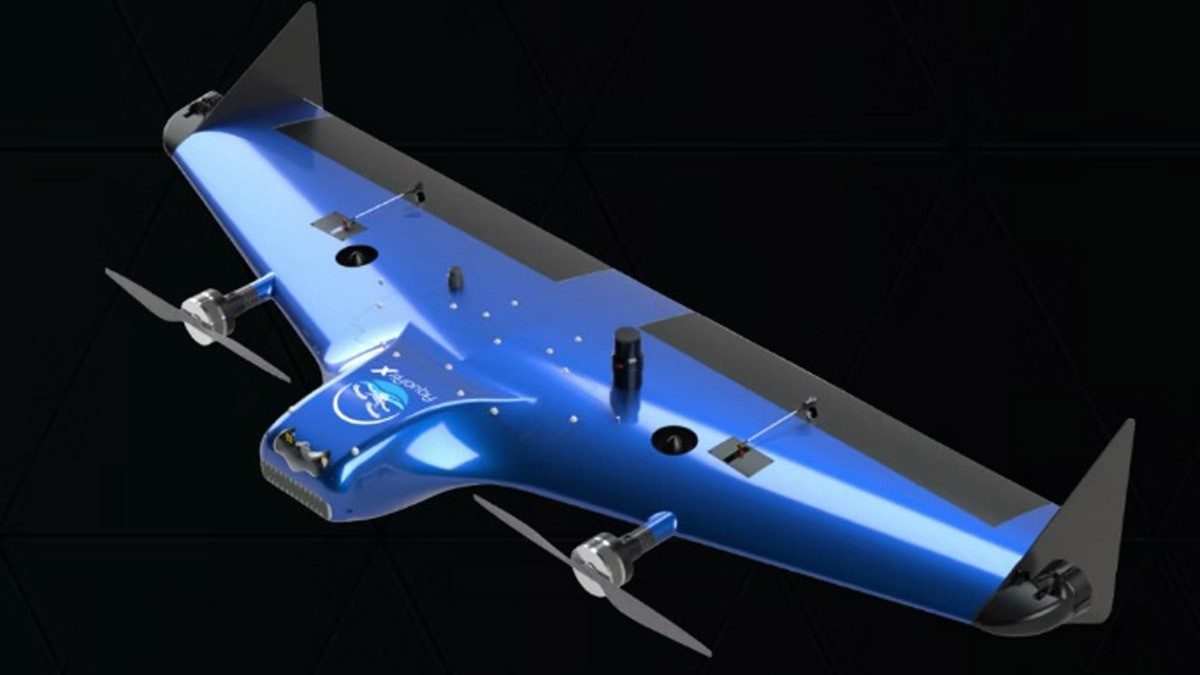
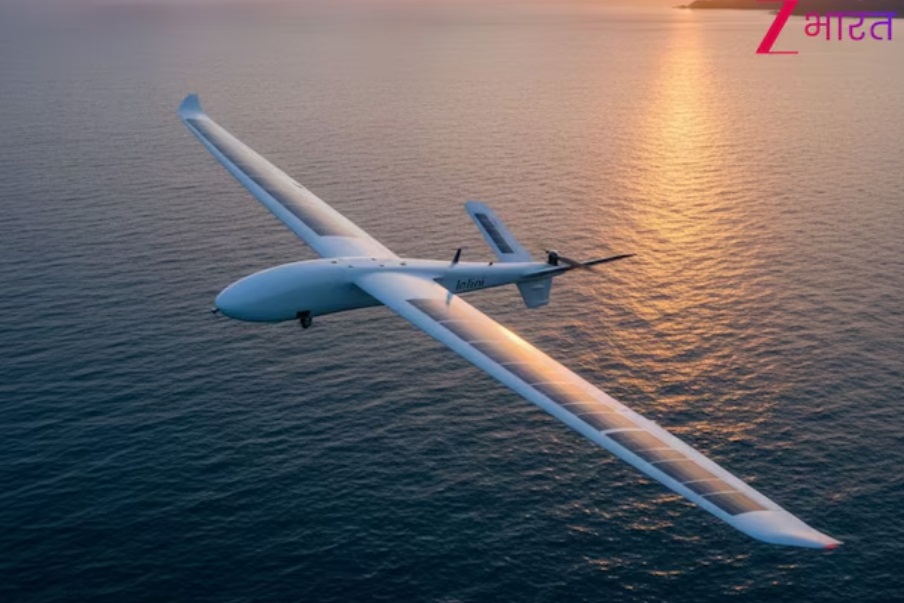
Infini Ultra-Endurance Drone: A startup called Alteon Energy in Bengaluru, Karnataka, is developing a unique drone. This drone can fly for up to a year without landing or refuelling. This ultra-endurance drone, called Infini, aims to fly solely on wind, similar to the albatross, a sea bird. Albatrosses travel long distances using dynamic soaring, a technique in which they repeatedly move up and down between strong winds at high altitude and slower winds below. The Alteon team is trying to replicate this technique in a drone. What Makes it Unique? It is 3 meters long and weighs only 2.8 kg. Infini's onboard computers detect changing wind patterns. This allows the drone to fly in an S-shaped loop, drawing energy from the wind. During initial flights off the Karnataka coast, the drone flew for several hours without motors, powered solely by wind. The team claims that with improved design and the addition of solar film, this time could increase from hours to months and even beyond a year. This will Help the Navy and Coast Guard Alteon is being developed with the Indian Navy and Coast Guard in mind. Today, warships costing crores of rupees must remain at sea for weeks to monitor the country's 7,500 km-long coastline. The company says that for the same amount of money it costs to operate a frontline destroyer in a month, 17,000 Infini drones can fly, monitoring the entire coastline every 10 minutes at a lower cost. ADS-B Transponder Installed Each drone is equipped with a camera, satellite link, and an ADS-B transponder. After 300-400 days, when the battery runs out, it will glide into the sea and sink, eliminating the need for retrieval. Upon mass production, its price is estimated at around USD3,000. Major Technical Challenges However, several significant technical challenges remain. Keeping an extremely lightweight airframe safe during millions of high-G turns. Keeping a 2.8 kg drone airborne during monsoon and cyclone-like conditions. Long-range satellite communications using very little power and achieving airworthiness certification for a pilotless and unmanned system. If Alteon's technology is successful, it could revolutionize coastal surveillance, drug interdiction, disaster management, EEZ security, and search operations. Source: Zee News

Saheel Singh 17 Dec 2025
half-star-solid phone