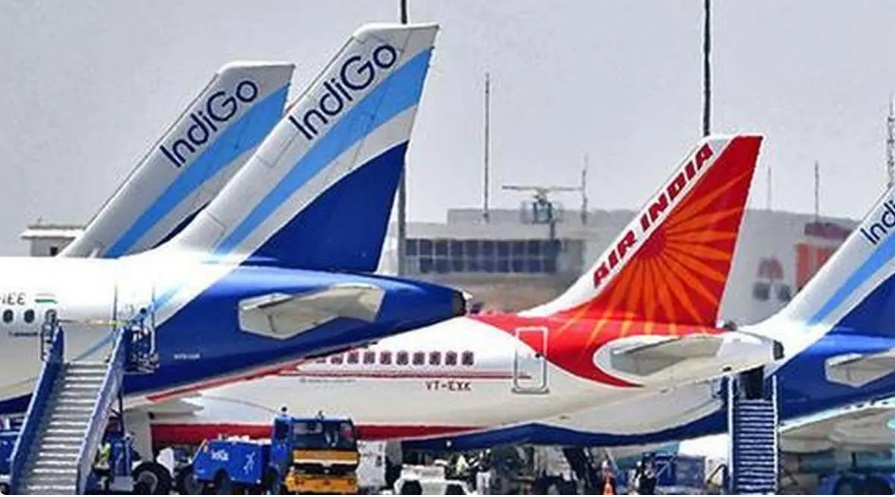
Indian Airlines Seeks Relief Amid Rising Costs
Air India and Indigo are advising the Indian government to reduce aviation fuel taxes and certain airport charges, as the Middle East conflict

When the market is controlled by just two airlines, one company’s internal crisis turns into a national emergency. IndiGo’s lack of pilots, triggered by the rollout of fatigue-management rules, should have troubled one airline. As an alternative, it paralyzed India’s entire aviation network.
Fares rose to Rs 40,000-80,000, refunds were delayed for days and substitute carriers could not absorb the shock. In a competitive market, passengers would have choices. In India’s duopolistic one, they had none. The fatigue rules were not the villain. Pilot fatigue is a safety threat and aligning India’s Flight Duty Time Limitations with global norms is long overdue. But the transition was mishandled on all sides. Regulators announced the rules approximately two years ago, then delayed and re-delayed enforcement, only to abruptly push through implementation, leaving airlines scrambling. IndiGo, undervalued the number of supplementary pilots it needed.
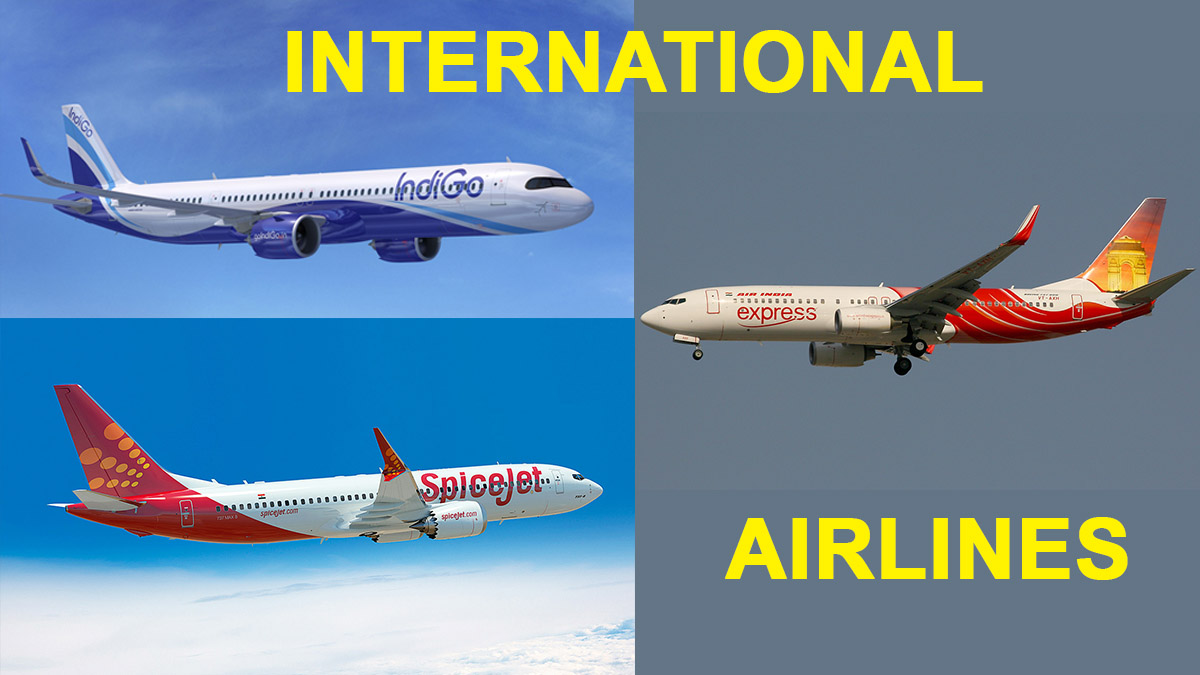
This combination is why passengers ended up paying the price. What’s missing from the conversation is the structural cause; India’s aviation industry lacks depth. When just two airlines, IndiGo and Air India, hold over 90 per cent of the market share, the complete system hinges on their capability to function flawlessly.
In India, passengers face a system where, when “one airline hesitates, everyone suffers.” And consumers suffered immensely.
People missed job interviews, medical appointments and weddings. Some reached only to determine their flights had been cancelled, with no SMS alert. Refunds trickled in only after government orders. A nation aiming to become the world’s third-largest aviation market cannot function with outdated passenger protection norms. India needs a clear and enforceable Air Passenger Bill of Rights, one that guarantees automatic funds, timely alerts and fair compensation for final cancellations, without burdening airlines under knee-jerk regulations. But consumer rights alone won’t fix a market with little competition. For honest resilience, India must remove barriers that make it hard for new airlines to scale: high ATF taxes that wear away margins, slot allocation policies that reward incumbents, and regulatory unpredictability that discourages investment. The government says India has room for 5 major airlines.
That won’t happen without policy reforms that make market entry easier. IndiGo’s crisis wasn’t just about fatigue rules. India’s aviation future hinges on embracing what every competitive, consumer-friendly market eventually learns: choice is stability.
If India wants a resilient aviation ecosystem, it must start allowing competition. The skies need more carriers, more capacity and more consumer choice. Then, this won’t be the last time passengers pay for a crisis they didn’t create.
Source: Asia News Network
From selecting the right drone to finding a course, our team can guide you through every step of your drone journey.