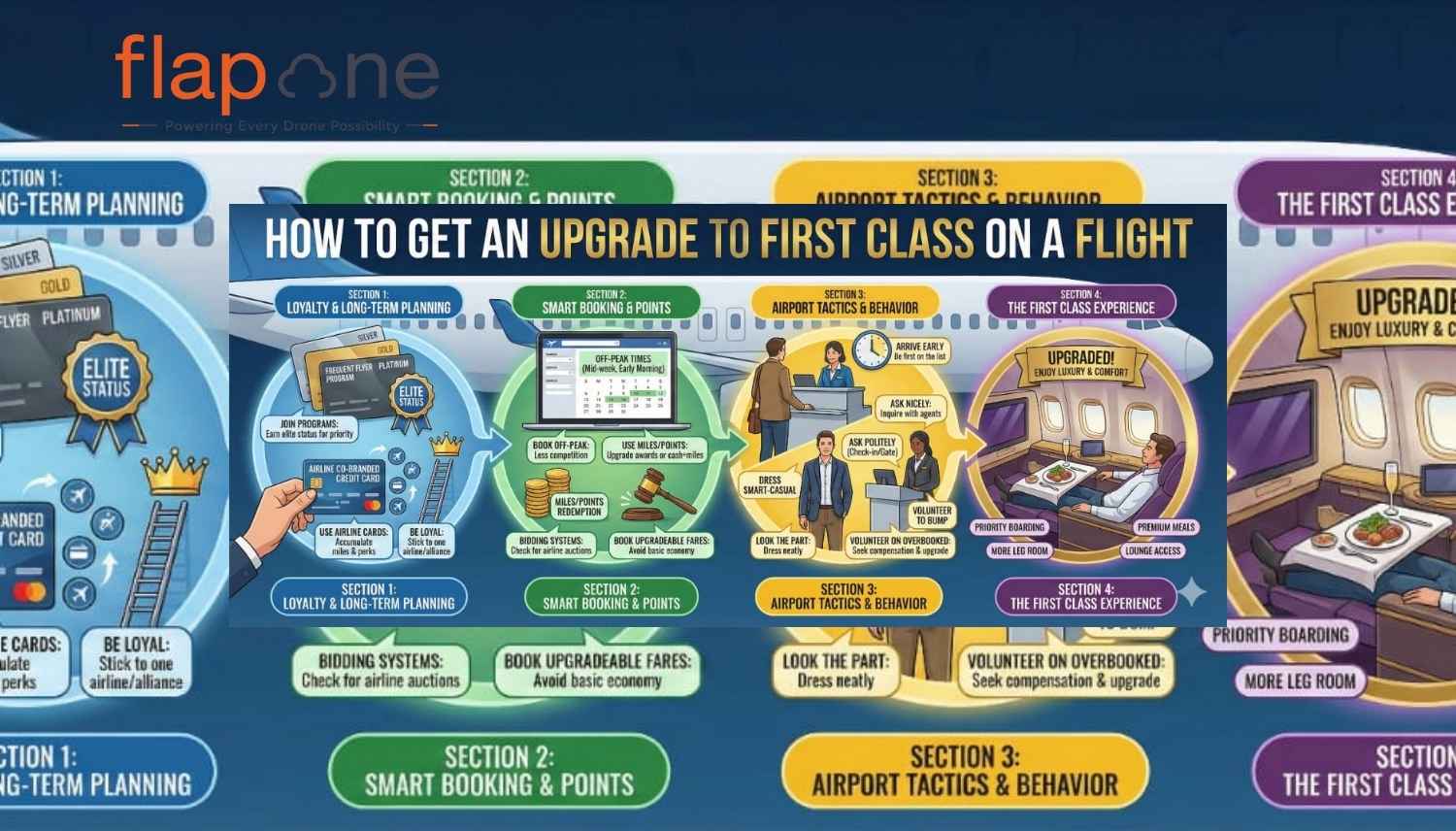
How to Get an Upgrade to First Class on a Flight?
It's the dream of any passenger travelling in economy class to be upgraded to a higher class. Well, this is very much possible. Each flight is d
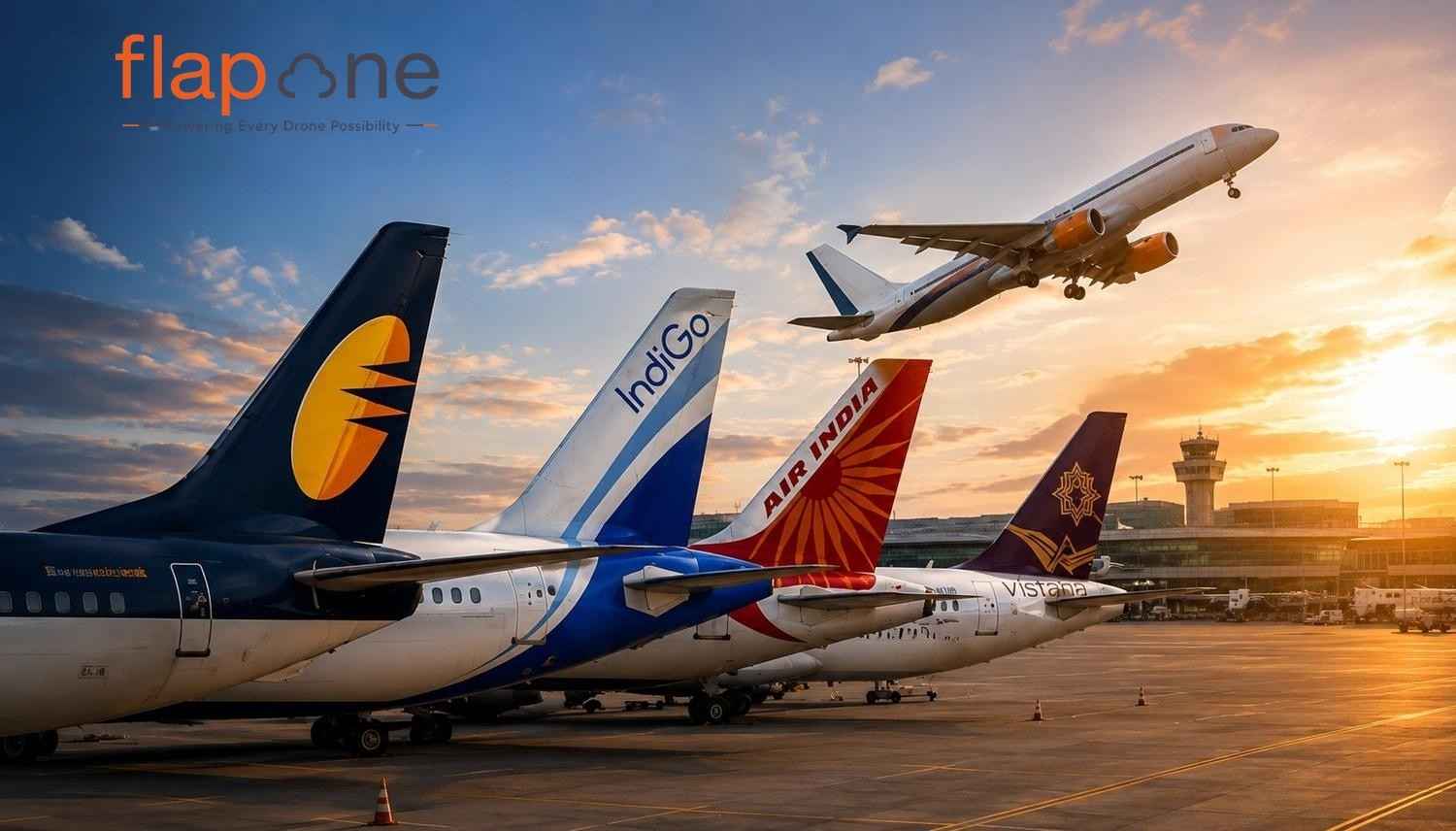
Many videos of the poor condition of Air India’s business-class cabins went viral on social media, prompting harsh criticism as unbecoming of a national carrier and prompting a rehaul of its ageing aircraft.
In-flight experience is finally taking centre stage for India’s carrier. IndiGo has brought in India’s first A321XLR. Air India took delivery of 787-9, both with restored cabins, innovative seats, and a long‑haul product reset.
Air India’s and Singapore Airlines' partnership deepens as the two align their products, routes, and schedules, moving toward making a united long‑haul network with more and more benefits.
A new Saudia codeshare additionally widens Air India’s international reach. Indian aviation is shedding its legacy of old cabins, which are important to the passenger experience and the airline business.
Air India is now modernizing under private ownership, treating cabin upgrades as central to its revival. IndiGo is using its new-generation fleet to sharpen its onboard experience with cleaner, brighter, more ergonomic interiors, adding to comfort without abandoning its low-cost model.
Indian airlines refresh soft cabin elements every 4 to 6 years and undertake key seat or in-flight entertainment overhauls every 8 to 12 years. However, financial restraints frequently push these timelines far beyond plan.
Air India will take delivery of 6 new A350-1000s and 787-9s this year, each with redesigned cabins that will set the template for its entire 787 fleet. Air India’s retrofit pledge is $400 million to modernize 43 widebody aircraft and standardize interiors. A nose-to-tail retrofit of 26 legacy 787-8s in new livery starts in 2026. By year's‑end, approximately 60% of Air India’s widebodies will sport contemporary, upgraded interiors, a transformation the airline has never attempted at this scale.
Cabin
interiors shape perception, comfort, loyalty and even airline economics. Ageing
cabins erode trust, particularly on long-haul routes. When an airline upgrades
its cabins, it enhances passenger experience and its competitive position.
When India’s airlines are compared with their international counterparts,
refreshed cabins are a matter of competitive survival. Passengers judge an
airline by the seat, the space, the lighting, and the overall sense of
modernity onboard. If an Indian aircraft’s cabin feels dated, it might affect
passenger numbers.
Passengers expect contemporary interiors, with smart features that improve
satisfaction and reduce discomfort.
Passengers'
outlook in India is influenced by culture and family dynamics. Indian
passengers prioritize responsiveness of the crew, food, cultural understanding,
price, hospitality that feels personal and multilingual support, creating a
different set of needs for airlines.
International passengers prioritize consistency, standardization and product
quality. With increasing expectations, the cabin experience has become the
strongest driver for Indian passengers. European and US carriers offer effective,
process‑driven service. Air India has a culturally intuitive hospitality.
Passengers compare the looks of Indian carriers with those of international giants in long-haul flying. For many Indians, particularly the diaspora, Emirates, Qatar Airways, and Singapore Airlines have set the standard for hospitality, polished cabin crews, consistent food quality and spotless cabins. These experiences have shaped expectations and Indian carriers are now judged against that standard on every flight.
An upgraded Air India is beginning to look competitive in ways that would have been unthinkable even 3 years ago.
Air India’s cabins are turning out to be world-class and it is investing at a scale never attempted before to make that shift real.”
Air India’s new A-350-1000s and 787‑9s finally deliver a cabin withstanding alongside
the world’s leading products. The business-class suites and a significantly
upgraded premium-economy cabin now outperform foreign carriers, which still
depend on older widebodies with dated 2-2-2 layouts.
The true peers in long-haul cabin quality are the Gulf and Southeast Asian carriers, which will set a global benchmark. Unlike most carriers, Air India offers free Wi-Fi across all classes!
Indian airlines are realizing consistency builds trust. Passengers now want that same reliability at home that they expect from international carriers. Air India offers authentic Indian cuisine, which is a big differentiator, particularly for diaspora travellers on long-haul routes.
IndiGo has expanded its international network to over 40 destinations in just over a year. But when stacked against global leaders, the gaps become visible. IndiGo’s seats are tighter, the cabin ambience is basic and its buy-on-board offering is functional and not distinctive. The forthcoming A321XLRs, with a less-dense cabin and the introduction of streaming IFE, may help the airline get closer to international benchmarks.
IndiGo has consistently framed its international push as an evolution of its product, saying, “The airline will acclimatize its cabin experience in line with longer routes while staying true to its core strengths of simplicity, dependability and value.”
Air India is
no longer an underdog in the industry. Its new aircraft exceeds many
international products. Its hospitality makes it stand apart. The real work now
lies in offering consistency and building a loyalty experience that feels contemporary
and reliable.
Indigo’s main strength is its discipline. It operates efficiently, turns
aircraft quickly, keeps costs low and offers a level of dependability that many
long-haul low-cost carriers struggle to match. Its competitive edge lies in
network logic.
The question is whether this model can come good on routes where full-service, homegrown Air India, with its advanced cabins and full-service proposition, also operates. Price might not be an advantage for IndiGo either; in one example, IndiGo’s fare on a direct European sector was Rs 10,000 higher than Air India’s.
But where it risks losing is in comfort insight. Its success will depend on whether passengers prioritize price and direct connectivity over the comfort gap, which becomes more noticeable the longer the flight is.
With the modernization of Indian aircraft and the inclusion of new advanced aircraft in the fleets, there is an increasing requirement for commercial pilots in India. Some new airlines will soon enter the Indian aviation landscape, so becoming apilot in India is surely lucrative.
If you also want to become a commercial pilot, you can always enrol at FlapOne Aviation to take a big, positive step towards achieving your dream.
India’s aviation sector is evolving rapidly with new aircraft technologies, operational standards, and emerging opportunities across the industry. Alongside these developments, aspiring drone professionals can explore a DGCA Approved RPTO in India to gain structured training, practical flying experience, and knowledge of aviation regulations. Choosing an approved training organization can help build the skills needed for professional drone operations.
From selecting the right drone to finding a course, our team can guide you through every step of your drone journey.