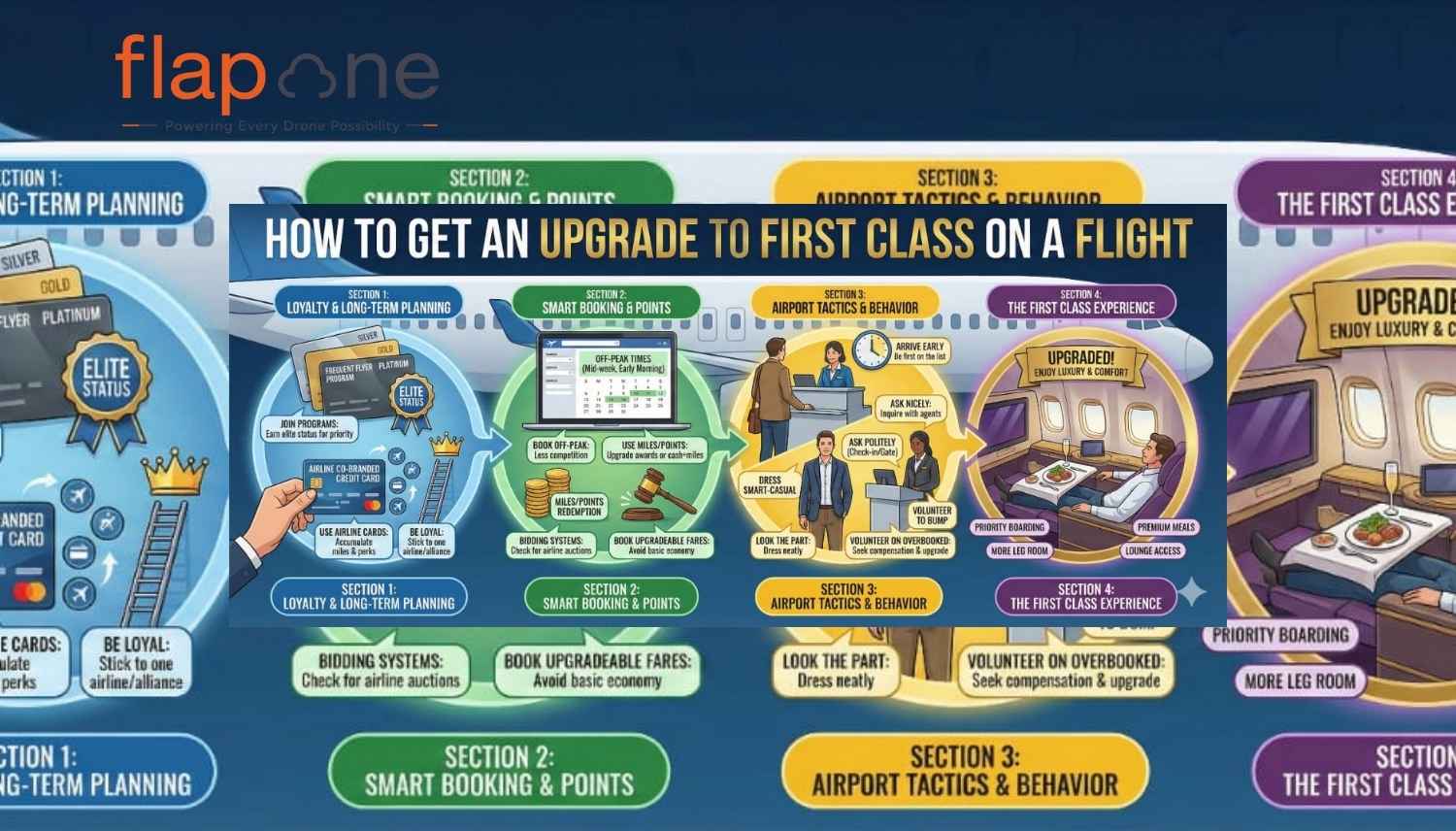
How to Get an Upgrade to First Class on a Flight?
It's the dream of any passenger travelling in economy class to be upgraded to a higher class. Well, this is very much possible. Each flight is d
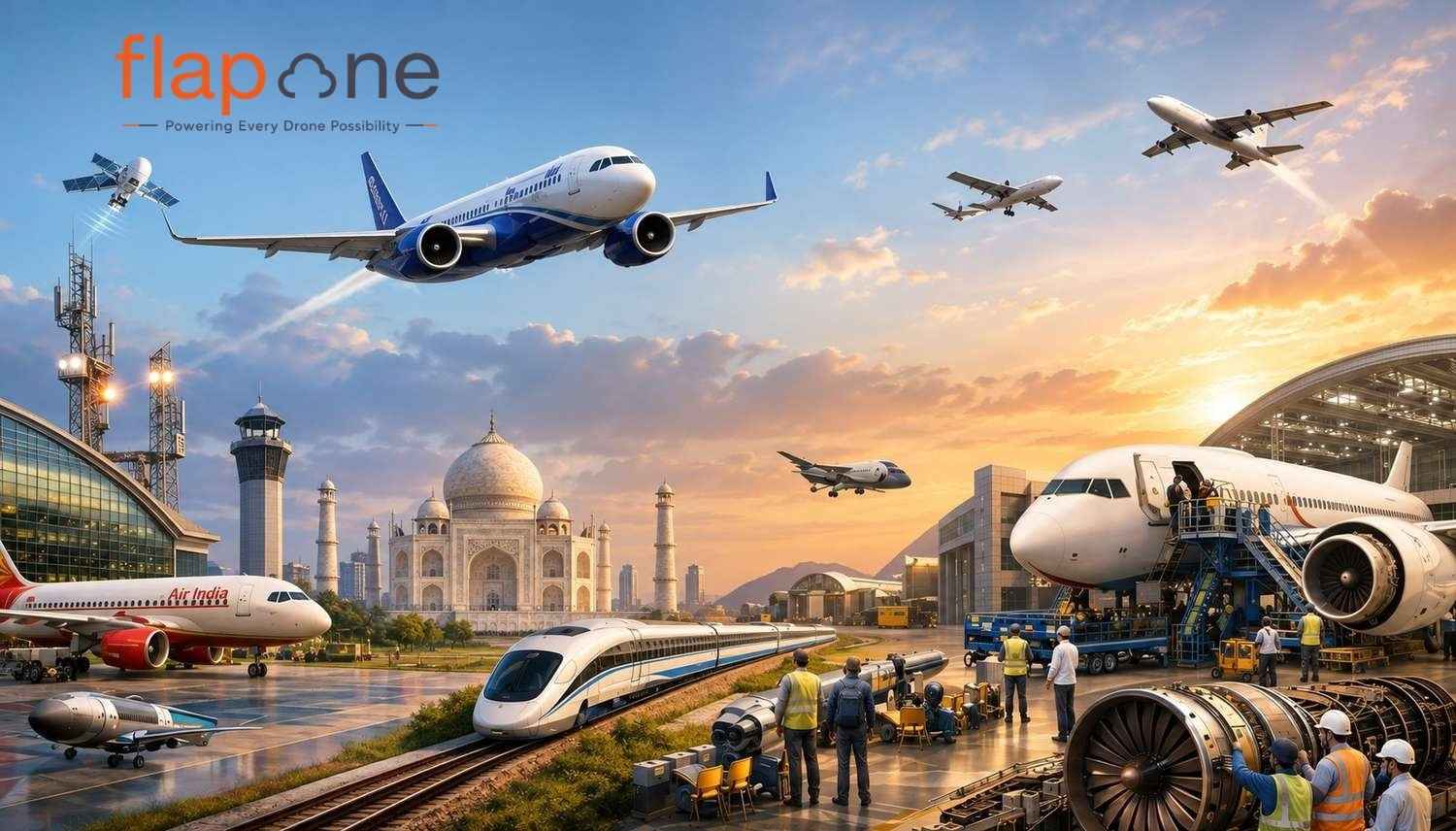
The aviation industry, in particular, is an important element of India’s growth, offering connectivity, boosting trade, creating employment and driving tourism. Pushing aviation growth is the collective mission of Viksit Bharat 2047.
In recent years, the Ministry of Civil Aviation has worked toward transforming India’s aviation landscape. In 2014, there were 74 operational airports; currently, there are 164. This is bringing Tier-2 and Tier-3 cities into the mainstream of growth and opportunity. The Indian government aims to have 210 airports by 2029 and 400 by 2047.
India is now the world’s third-largest domestic aviation market and it will become the third-largest overall passenger market. Air journeys are expected to increase from about 230 million to about 1.3 billion by 2047. The Indian commercial fleet has expanded from 395 to 851 aircraft in the last 10 years, and it will reach about 3,000 by 2047.
Indian carriers have placed among the largest aircraft orders, of more than 1,500 aircraft. By 2029, a net addition of about 500 aircraft is expected. This growth has a lot to do with the Regional Connectivity Scheme, UDAN. 93 aerodromes connected, 657 routes operationalized and around 16 million passengers served so far. This will be extended to more than 120 new destinations, benefiting nearly 40 million passengers over the next ten years.
At the heart of the UDAN scheme is the idea that airports must be designed not just as transit points but engines of economic value. The approach to airport development through the Airports Authority of India, using the public-private partnership model, has been pivotal. In the past five years, nearly Rs 97,000 crore has been spent on the development and modernization of airports.
Over the next five years, more than Rs 1 lakh crore will be deployed to further augment capacity. To accelerate world-class development, eleven more AAI airports are being proposed for PPP. These are the outcomes of stable policy, credible regulation, and confidence in India’s aviation growth.
India handled around 3.7 million metric tonnes of air cargo last year, 80% of which moved through 5 major airports. There are several reforms to make air cargo more efficient, such as changes to transhipment, air freight stations and the use of technology.
With scaling, we are allowing sustainable growth in aviation. Over 90 airports in India are fully operational on green energy, and ACI Level 4+ carbon accreditation has been achieved by Delhi, Mumbai, Bengaluru and Hyderabad. India’s Sustainable Aviation Fuel roadmap sets blending targets of 5% by the end of this decade. The shift to SAF becomes a strategic industrial opportunity that links agriculture, refining, logistics and aviation while creating jobs.
India wants to become a global hub for aviation manufacturing and services. More than 250 Indian aerospace suppliers are already integrated into global OEM value chains. The domestic MRO industry will reach a value of about USD 7 billion by 2035, driven by supportive tax reforms, simplified import norms and expansion into high-value MRO segments.
India looks to reinforce the aviation finance through the GIFT IFSC platform, which has already allowed leases for more than 134 aircraft and 84 engines domestically. Apart from that, India is moving towards self-reliance in regional transport aircraft by 2047 through the growth of indigenous capabilities and partnerships with global OEMs.
The use of AI can bring greater operational efficiency, improve safety and security and improve the passenger experience. The Aviation Ministry is leveraging emerging aviation technologies and building India’s own digital public aviation infrastructure.
Frameworks have been developed by the DGCA for vertiports, pilot training, type certification and airspace integration for eVTOLs, while Digital Sky and liberalized drone policies are enabling the use of drones for various industries like agriculture, infrastructure inspection, logistics and disaster response.
India’s aim of Viksit Bharat will need global and domestic connectivity, sustained growth, strong logistics capability, high-value exports, and globally linked supply chains. With the creation of every new airport, there is job creation, economic stimulation and improved tourism.
Each new aircraft creates manufacturing and service opportunities, and SAF can help develop green energy that connects rural India to global aviation markets. Infrastructure is built in collaboration with government, industry, innovators, financiers and regulators.
As India's drone and aviation industry continues to grow, the nation is emerging as a leading hub for aircraft and drone manufacturing, creating exciting career opportunities across the sector. Just as every flight depends on the perfect balance of lift, thrust, efficient engines, and well-designed wings to keep an aircraft or plane performing safely, a successful aviation career begins with the right training. With demand for skilled commercial and drone pilots rising, there is no better time to start your journey than with FlapOne Aviation.
From selecting the right drone to finding a course, our team can guide you through every step of your drone journey.