
How to Choose the Right Aviation Academy: A Comprehensive Guide
Aviation is a career that requires particular knowledge and skill, and choosing the right aviation academy is a significant step towards becoming a pi
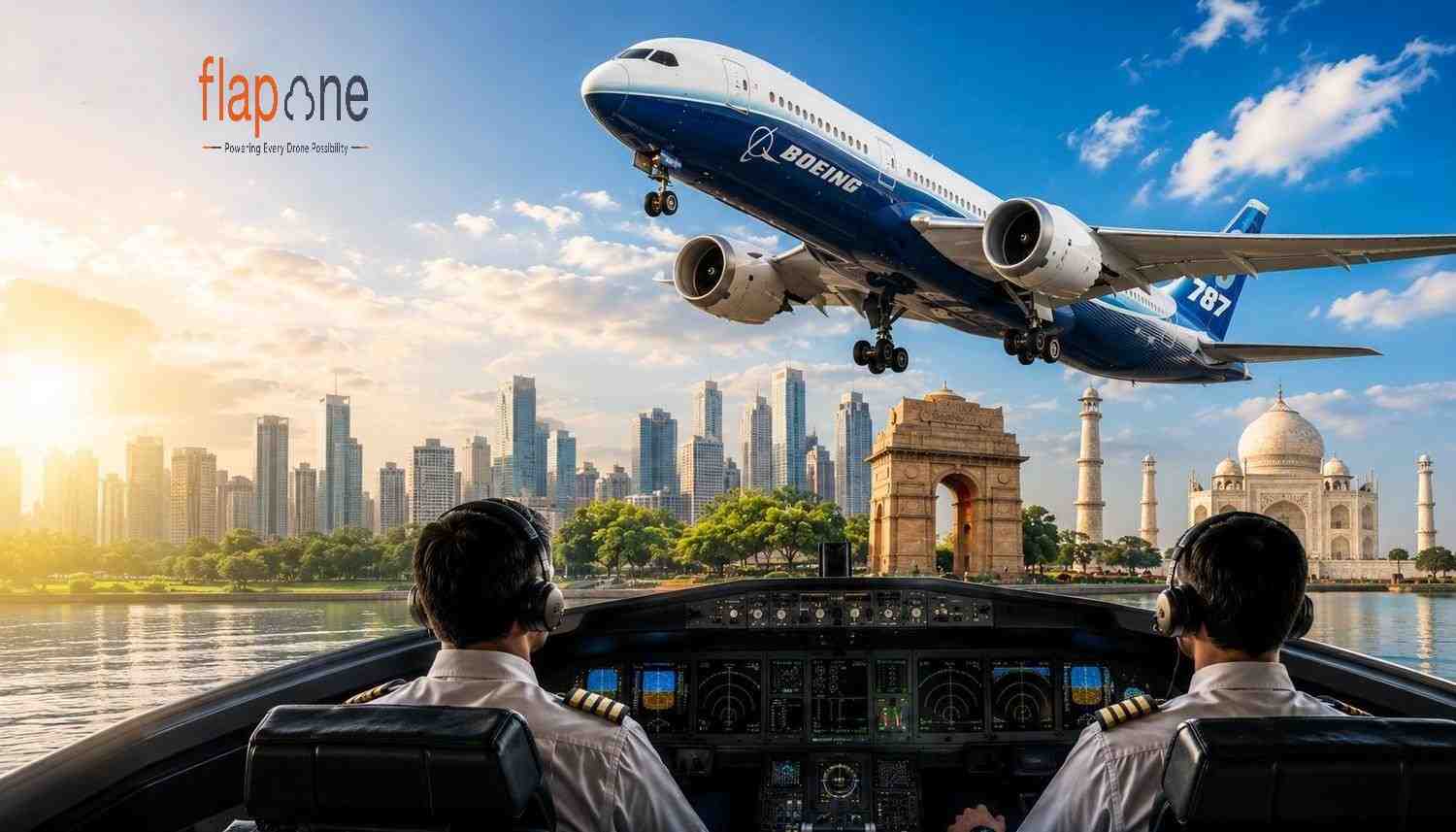
There is significant buzz that India could place one of the largest single-country orders with the aircraft manufacturing giant, Boeing. Following the announcement of an interim trade framework between India and the US, Commerce Minister Piyush Goyal said India will place orders for Boeing aircraft valued at USD 70-80 billion, bringing the total order value to USD 100 billion, including engines and spare parts.
With India set to place a large order for Boeing commercial aircraft, it will directly impact demand for pilots in India. A lot of speculation has been going around the fact that there is a shortage of pilots in India and with such a big order just around the corner, it is not that hard to imagine how big an opportunity it is for aspiring pilots.
This blog will help you better understand the trade deal between the two nations and how it will support job creation for pilots and other aviation staff.
The USD 80 billion can result in multiple airline contracts, not as a massive government purchase order on its own. There is a mix of Boeing aircraft alreadyordered and additional jets ready to be ordered, all within a trade deal thatofficials say could be finalized in March. In practice, these acquisition decisions would rest with carriers, particularly Air India and Akasa Air, both of which have already made substantial commitments to the Boeing 737 MAX family. Additional widebody requirements tied to India's international development have also been made.
Air India announced in January that it added 40 Boeing 737 MAX aircraft to its Boeing order book. Notably, the framework's tariff cut on US goods could materially improve the economics of importing aircraft, engines, and spare parts into India.
The final pricing of the deal will depend on the deal specifications, support packages and considerable discounts off list prices. Second, cash timing is also a significant consideration. Boeing books most revenue at delivery, so even a commitment would not yield an automatic cash windfall; rather, it would involve years of staggered payments, such as pre-delivery deposits.
It is important to consider that delivery slots and execution risk are critical in today's tight supply chain. India's carriers may want aircraft quickly, but Boeing's ability to ramp up production and clear certification and quality bottlenecks will shape timing and margins. It will also matter which airlines eventually order these jets. Legacy carriers might be more interested in larger models, built by Boeing at higher margins. The same cannot be said for low-cost carriers that are more balance-sheet-conscious.
From the buyer's perspective, Indian airlines are growing rapidly but remain sensitive to financing costs and foreign exchange market volatility. Higher rates or a weaker rupee make dollar-denominated jet orders significantly more expensive, pushing carriers toward leases or stretching deliveries. Ultimately, the trade deal's tariff reset could substantially lower the landed cost of aircraft and parts, improving fleet-growth economics.
When this deal materializes, it will be nothing short of huge for Boeing. It would deepen the airline's presence in one of the fastest-growing aviation markets as Indian carriers add capacity, open long-haul routes and update their fleets across South Asia and beyond. It would also widen Boeing's footprint beyond deliveries.
Functions such as engine management, spare parts management, training and aftermarket services can generate recurring revenue and higher-margin support work. The trade framework matters here because it links aircraft acquisitions to a political commitment to expand bilateral trade, possibly reducing tariff friction and giving airlines and lessors better confidence to make large, multi-year commitments.
Equally significant, the agreement is expected to strengthen India's aviation ecosystem by increasing local sourcing and manufacturing opportunities. As the aviation sector grows, greater collaboration in producing components for aircraft, plane systems, engines, and wings can enhance supply chain resilience while supporting technologies that improve lift, thrust, and overall flight performance.
There is every chance of this massive deal materializing and in addition, several other aircraft orders have been confirmed. There is no better time to become a pilot than now. FlapOne Aviation is one place where you can enroll to get the best-in-class commercial pilot training at an unbeatable price.
From selecting the right drone to finding a course, our team can guide you through every step of your drone journey.