How to Choose a Drone for Capturing Your Travel Adventures?
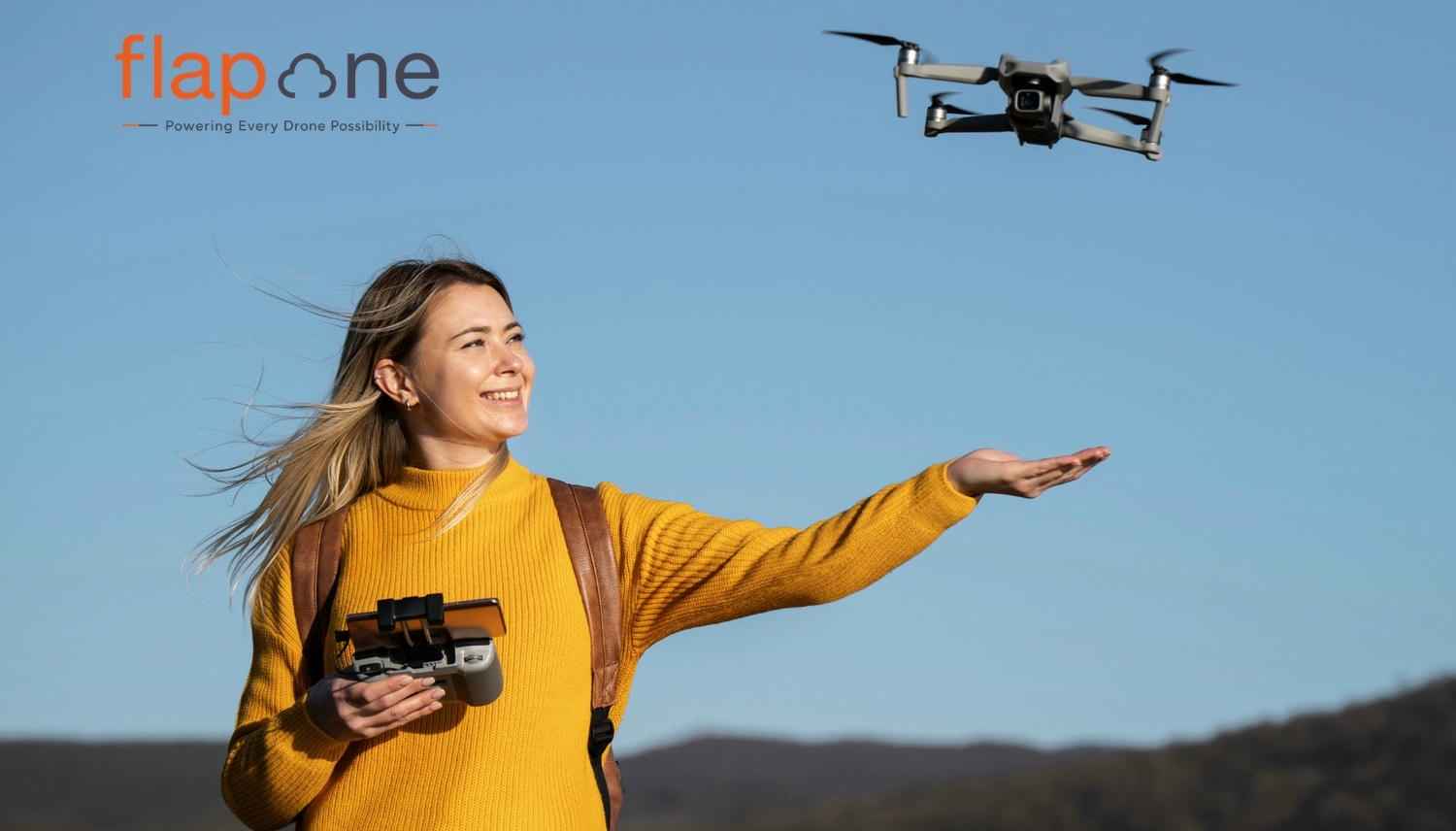
Drones have become an important advancement for travellers who want to take stunning aerial shots of their adventures. Whether hiking in the mountains
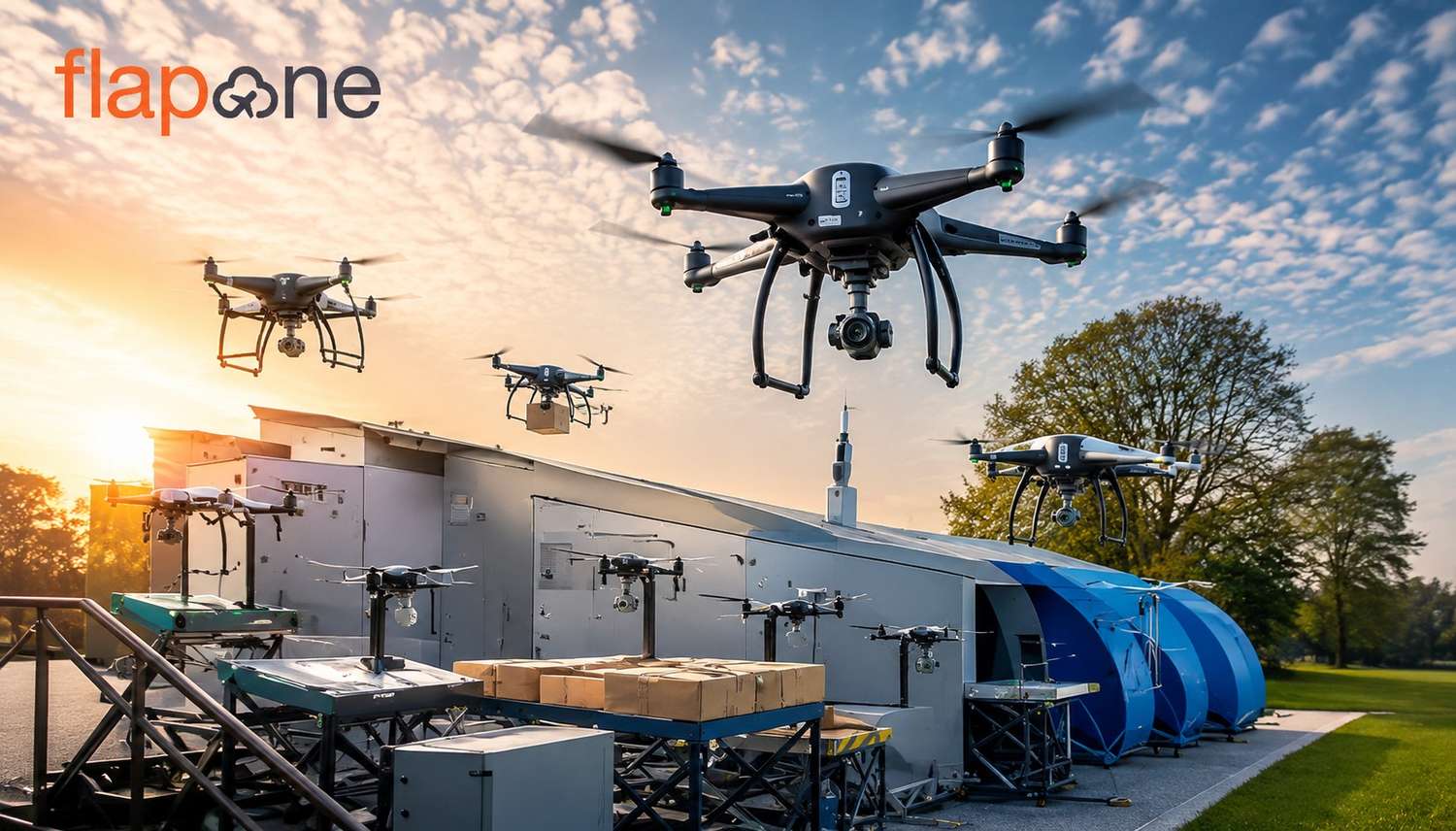
There are various types of drones available in the market today, each designed for specific applications and use cases. Here are some of the most common types of drones:
These kinds of drones resemble airplanes and are mostly used for surveying, mapping, and surveillance. They are more effective than multi-rotor drones and can cover long distances in considerably less time.
These find a lot of application in the military, as they are often put to use when manned flight is difficult or not possible. Commercial industry also makes good use of these kinds of drones.
Single-rotor drones, often referred to as helicopter drones, use a single main rotor to generate lift and precise control during flight. Like a helicopter or specialized aircraft, they can take off and land vertically, making them ideal for missions that require stability and accuracy. Their powerful engines and rotor system allow them to stay airborne longer than many multi-rotor models while carrying heavier payloads. Equipped with advanced cameras and sensors, these drones are widely used in agriculture, mapping, and research. Similar to a plane, they rely on carefully balanced thrust, aerodynamic performance, and efficient rotor wings to deliver reliable results in demanding environments.
These are perhaps the most common type of drones and are mainly taken into use for videography, aerial photography, surveying, and inspection. They can be controlled with ease, that is why they are good for indoor locations. There are different kinds of multi-rotor drones,
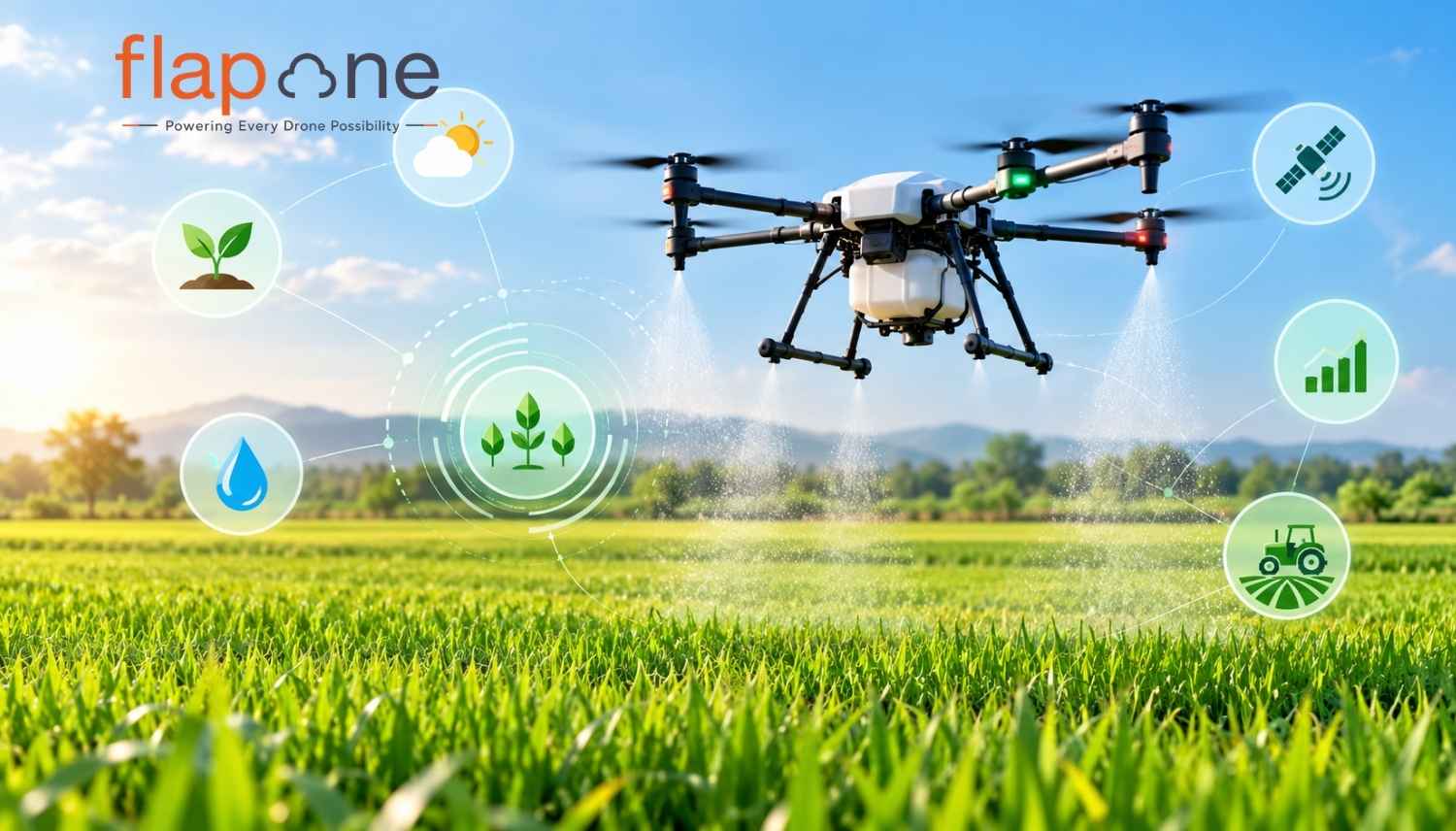
Hybrid drones combine the best features of fixed-wing and multi-rotor drones, offering the flexibility of vertical take-off and landing (VTOL) along with the long-range flight performance of fixed-wing aircraft. This unique combination makes them an ideal solution for modern agricultural surveying and precision farming applications.
Equipped with advanced sensors, high-resolution cameras, and mapping technologies, hybrid drones capture accurate aerial data for crop monitoring, land surveying, field mapping, and farm analysis. Their superior flight range and extended endurance enable them to cover large agricultural areas in a single mission, reducing the need for multiple flights and significantly improving operational efficiency.
The longer flight time also allows for continuous monitoring of crop health, irrigation patterns, soil conditions, and overall field performance. By delivering reliable, data-driven insights, hybrid drones help farmers, agribusinesses, and survey professionals make informed decisions, optimize resource utilization, and improve agricultural productivity.
Not sure which drone fits your needs? Our experts can guide you to the perfect UAV for your mission.