How to Choose a Drone for Capturing Your Travel Adventures?
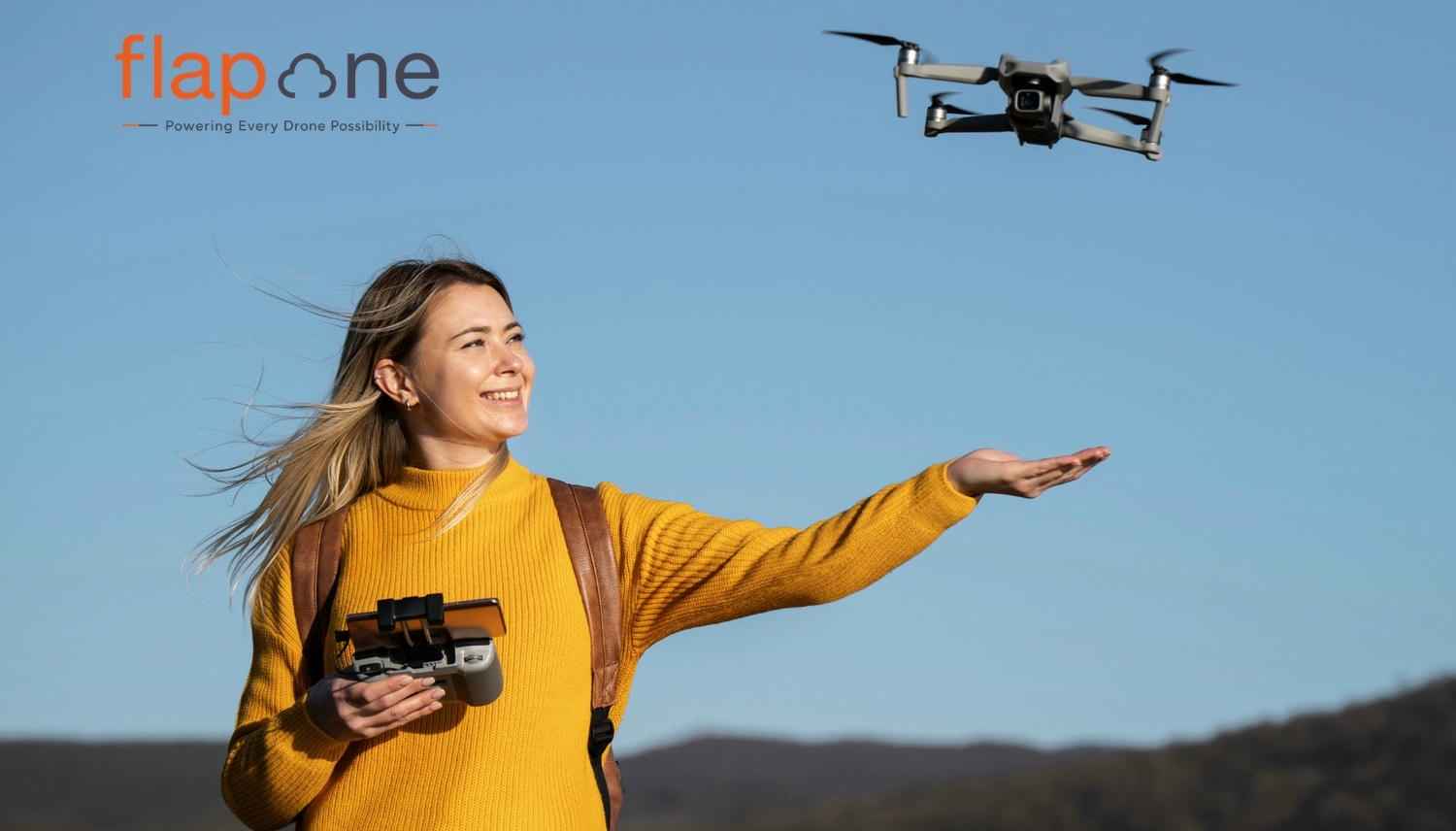
Drones have become an important advancement for travellers who want to take stunning aerial shots of their adventures. Whether hiking in the mountains
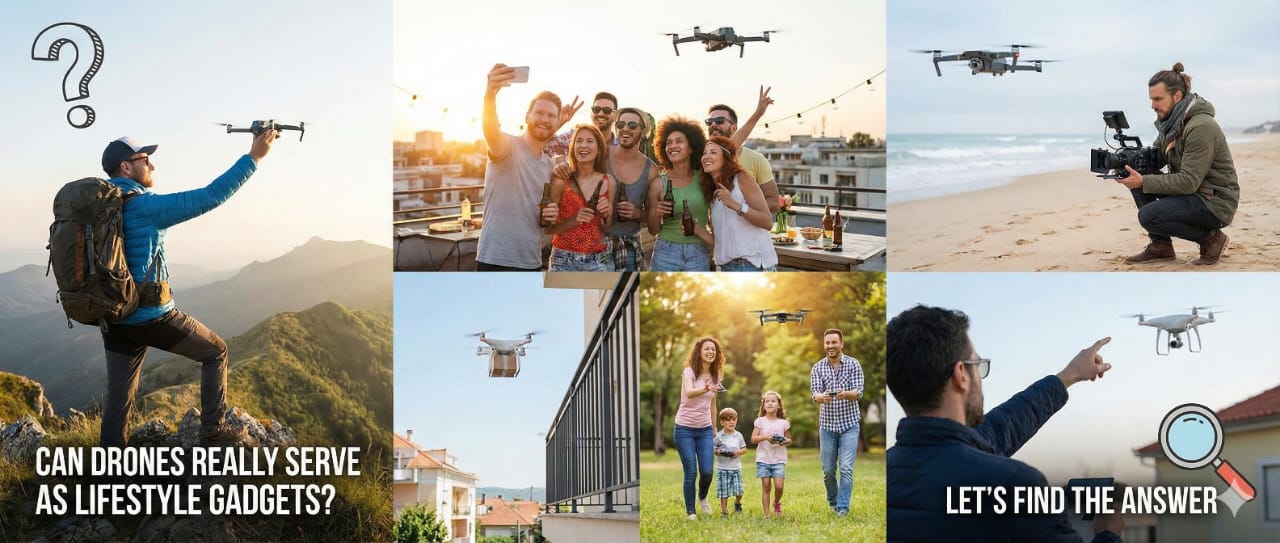
It is a fact that drones were initially used primarily by the military and other specialized industries. But now the times have changed for good: the gadgets that were once restricted to the military are used not only by industry but also by the general public. A question arises: have drones truly become lifestyle gadgets, or are they still luxury toys for enthusiasts?
To find an answer, the use of drones needs to be examined with respect to how accessible they are and whether they can easily enter everyone’s life, like smartwatches, fitness bands, and wireless earbuds.
Lifestyle gadgets are not merely technologically advanced devices; they also refine the user experience. These readily enter people's daily lives, enhancing their lifestyles, travel experiences and opportunities to create and relax. Smartphones, among the most popular consumer devices, help people stay connected; smartwatches monitor health; and action cameras capture memories. Neither of these is essential to human life, but both make life easier and better. And what makes them the favourites is the fact that human lives seem incomplete without them.
If drones can also blend so naturally and offer the same type of convenience, creativity, or enjoyment, they might qualify as lifestyle gadgets, sooner rather than later.
Drones have become consumer products due to their ongoing technological evolution. They are being made lightweight, foldable and compact, with advanced features, easier to control and more beginner-friendly, unlike their ancestors.
Today, even beginner drones can take off and land automatically and attain higher altitudes. Advanced drones go a step further with features such as obstacle avoidance, subject tracking, and pre-programmed cinematic flight paths. When technology is upgraded, manual effort decreases significantly; this has also occurred with drones. When there is no need for that much technical expertise in operating a gadget, it naturally becomes part of everyday life.
This holds true for drones, as drone training does not require a highly educated person and is neither particularly complex nor time-consuming. So, we can say that drones tick most of the boxes for becoming a lifestyle gadget.
One of the strongest arguments for treating drones as lifestyle gadgets is their potential to foster creativity. Photography andvideography are now everyday activities owing to the increasing influence of social media and the ability of drones for capturing images and recording videos from angles that were once impossible without expensive equipment. Approximately half of consumer drones are used solely for photography and videography.
Drones can help people capture expansive landscapes and are used to document special occasions by travellers. Creators, with the help of compelling photos and videos, tell compelling stories. A simple video can suddenly feel cinematic with aerial shots of natural scenery or city skylines. For several users, drones don’t just capture photos and videos; they are tools for self-expression.
This is similar to how smartphones have supplanted traditional cameras or how action cameras have become popular amongst adventure enthusiasts. Drones add a different dimension to storytelling.
If we shift our focus to outdoor and adventure and the role of drones, these gadgets are used by hikers for scouting trails or capturing panoramic views, surfers and skiers use them for recording action shots and cyclists make use of follow-me modes for documenting long rides.
Modern drones can automatically track a subject from a safe distance, so that the users can focus just on the activity. This makes a drone an invisible companion for documenting experiences without having your attention peeled on them.
This hands-free usability is a crucial characteristic of lifestyle gadgets, which is why drones are popular among adventure enthusiasts.
Now, drones are also used in everyday life and are not limited to recreational applications. They are used to inspect rooftops, gutters, or large properties without requiring ladders. They are also used for casual surveillance and for monitoring outdoor spaces.
These uses represent a broader shift from the past, when drones were used primarily by industry and the military. However, the times have changed; drones are no longer confined to special occasions; they’re used for small, practical tasks that make life easier. With improvements in battery capacity and reductions in noise levels, the probability of these everyday applications increases.
Lifestyle gadgets have a cool factor that typically relies on social appeal and drones are certainly not holding back in this regard. Aerial shots stand out in social media feeds and drone videos often attract more attention and engagement than standard photos or videos.
The increasing popularity of drone-based content has helped in the formation of online communities. These communities support the use of drones as lifestyle gadgets. It is similar to the fascination with fitness trackers among health enthusiasts and with gaming consoles among gaming enthusiasts.
There is no doubt about the potential of drones, but challenges remain that prevent them from becoming ubiquitous lifestyle gadgets.
Cost presents a major challenge. While drone prices are trending downward, high-quality drones remain on the higher end compared with other consumer electronics. A cutting-edge drone can be rather expensive or matching the price of a smartphone or laptop, decreasing the interest of people in purchasing drones for recreational or everyday use.
Many people still have privacy concerns about the use of, hindering their broader adoption. So, there are a couple of changes that, if mitigated soon, can increase the chances of drones becoming lifestyle gadgets.
AI advancements are making drones more and more intelligent and autonomous and this will continue and even increase with time. Enhanced batteries are increasing flight times and better sensors are making flights safer. Soon, the drones may integrate flawlessly with smart homes, wearable devices and mobile applications. So, the future of drones as lifestyle gadgets is anything but bleak, to say the least.
Yes, drones are rapidly becoming affordable lifestyle gadgets, making them more accessible for everyday use. As interest in flight technology grows, more people are eager to understand how lift, thrust, engines, and wings influence modern aircraft and plane design through drone operations. If you want to build practical flying skills, FlapOne Aviation offers industry-focused drone pilot training to help you become a confident and certified remote pilot.
Not sure which drone fits your needs? Our experts can guide you to the perfect UAV for your mission.