How Re-Forestation Can be Improved Via Seed Bombing Drones?

How Re-Forestation Can be Improved Via Seed Bombing Drones?
Saheel Singh
By Saheel Singh
Senior Content Writer
02 Jan 2026

Reforestation Drones

Agricultural Drones

Seeding Drones

Agricultural Drone Pilot Drone Pilot

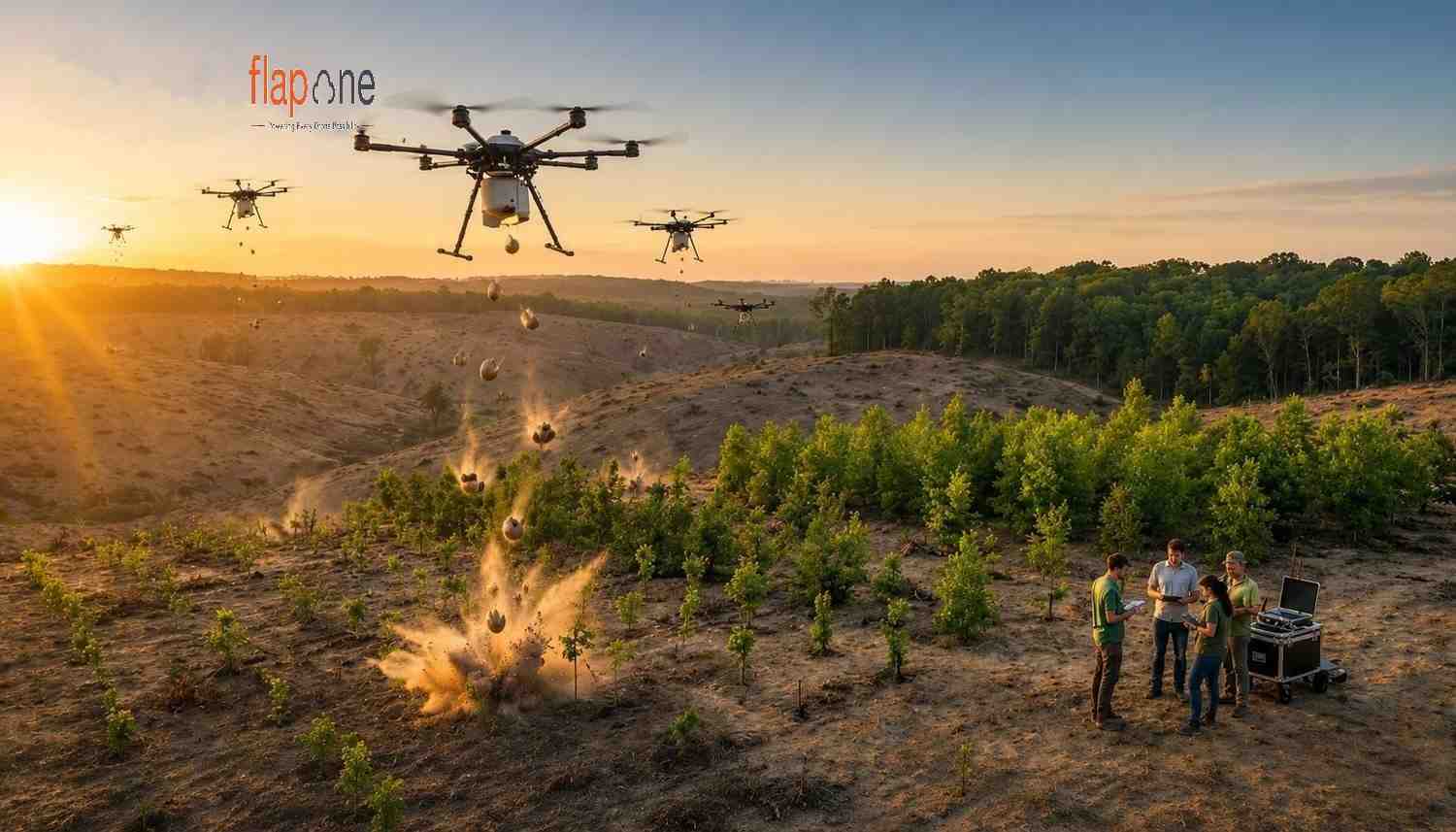
It is not that aerial seeding, seed bombing and reforestation have not been tried yet; they have also been done in the past, using planes and helicopters. But now things have gone a notch further with autonomous agricultural drones. These drones can enter areas humans can’t easily access and carry thousands of seeds. Drones can drop seeds over land in a lot less time than humans would. These drones are designed for forestry work. Guided by AI and armed with data, they don’t just plant more trees but also plant the right trees in the right places.

1. How Seed-Planting Drones Work?

How Seed-Planting Drones Work? - image 1

Reforestation drones need planning and advanced technology. A drone reforestation project involves multiple steps:

  • Site Mapping and Analysis: This process starts with surveying the target area using drones to create 3D maps. This superior imagery reveals soil conditions, existing plant cover, etc. AI then examines the data to identify optimal planting sites, identifying where seeds will root.
  • Seed Selection and Pod Preparation: The next step is seed selection. Reforestation drones can carry the chosen seeds in accordance with the native ecosystem. These seeds are collected from nurseries or good forests.  Many projects use seeds encased in a mix of nutrients, minerals and other materials. Instead of dropping bare seeds, seed pods or biodegradable packets.
  • Aerial Seeding by Drone: Heavy-lift drones can carry about 23 kg of pods per flight. Multiple drones or drone swarms can cover more areas with ease.  Drones autonomously follow the pre-programmed flight paths and bomb seed pods at targeted points.  This way, thousands of seeds can be planted daily in large areas. After each flight, the drones return to a base to swap batteries and reload seed pods, then take off again. This cycle repeats again and again till the entire area is seeded.
  • Monitoring and Follow-Up: Effective reforestation needs tracking of seed germination over time. Drones are used not just for planting but also for monitoring progress, measuring sprout rates, evaluating plant health and detecting erosion. Drones can determine whether additional seeding is needed in an area. Some of the advanced drones log the GPS coordinates of every seed pod which is dropped, making it easier to return to specific sites.

2. Benefits of Aerial Reforestation

Benefits of Aerial Reforestation - image 1
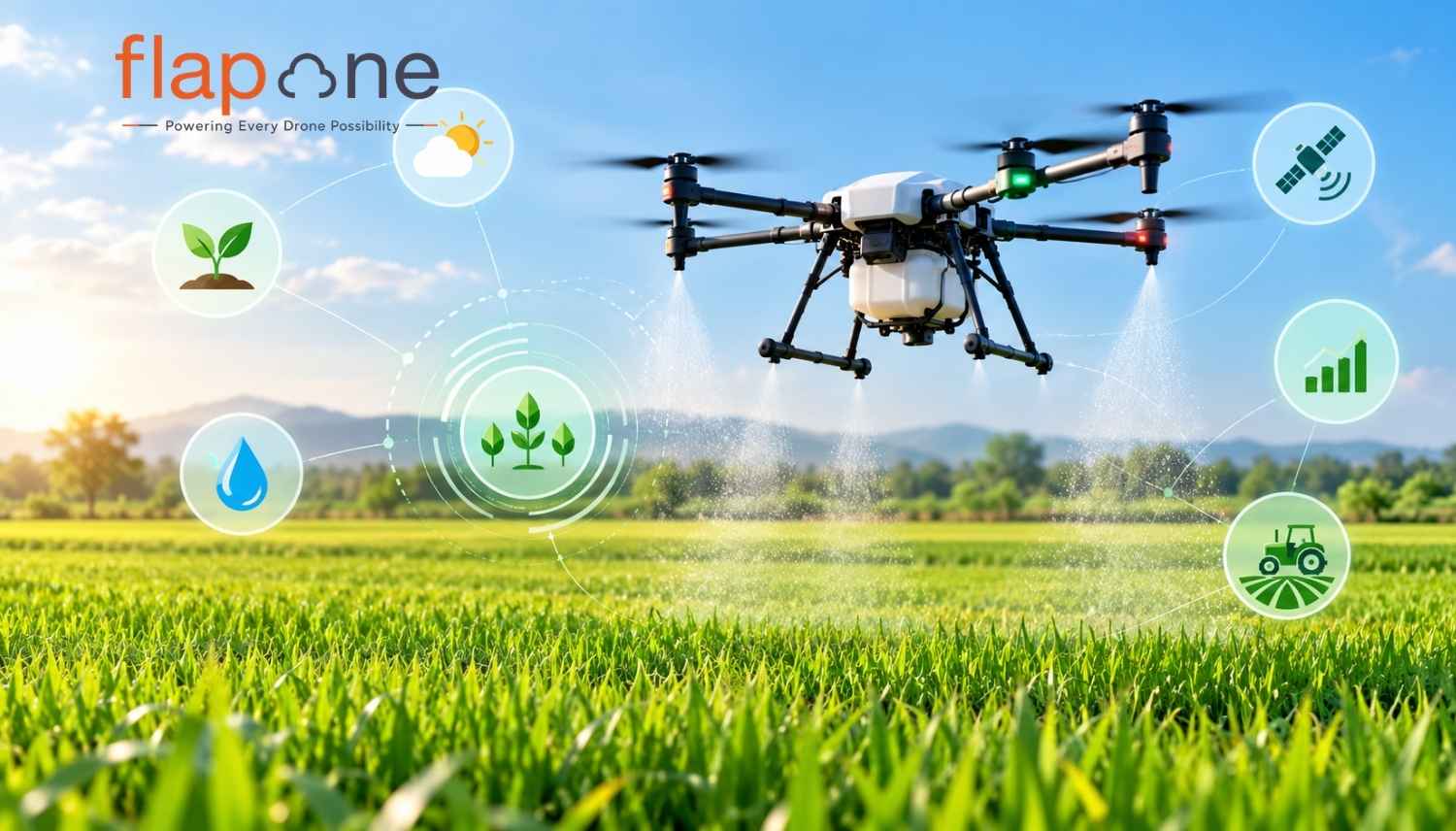
  • Speed and Scale: Drones considerably quicken the planting process. They can cover large land areas quickly.  Drones can seed acres of land per day with thousands of seeds, which is not possible for humans. Drones efficiently increase the reforestation rate, making it feasible to plant millions of trees in the coming decades.
  • Cost Efficiency: It is possible to lower the cost of reforestation by automating seeding with the help of drones. Drones are a rather economically viable option. This can come in really handy for organizations that are in a financial crunch, and paying workers large sums to seed the farm can be prohibitive.
  • Access and Safety: There are many such areas, which can be dangerous for humans to visit, but drones can access these areas with consummate ease, keeping humans safe. With this, drones spread the reforestation.
  • Precision and Data: Precision is at the pinnacle of drone seeding methods, as compared to their predecessors. AI and mapping enable the exact placement of seeds across an area. This targeted approach advances seeding efficacy.

3. No Replacement But Acceleration

No Replacement But Acceleration - image 1

Drones don’t replace the need to grow seedlings in nurseries or the tending of young forests, but they offer an acceleration. This is vital because reforestation should be quick because of the fact that, the sooner the trees grow, the sooner they start storing CO₂ and forming a forest. By reducing planting time, drones help meet climate and biodiversity deadlines that are often difficult or even impossible with conventional methods.

4. Coming to a Conclusion

Seed-Bombing drones can be very helpful for restoring forests. With constant refinement taking place worldwide, drone reforestation could benefit foresters and conservationists. It can also be helpful for initiatives, for instance, the U.N.’s Decade on Ecosystem Restoration and the Trillion Trees campaign, offering a way to execute ambitious tree-planting pledges.

With the growing demand for drones, the demand for trained drone pilots is also rising. For becoming a drone pilot in India, you can come to FlapOne Aviation.

Popular Tags:

Reforestation Drones

Agricultural Drones

Seeding Drones

Agricultural Drone Pilot Drone Pilot
Saheel Singh
Saheel Singh
Senior Content Writer

A dynamic and seasoned content writer with 6 years of experience curating content for different platforms. With the knowledge of all the cogs of content writing and SEO, he has served in various industries. He believes that content is the kingpin, and if penned well, it has a lasting impact on the minds of the readers. Apart from content creation, he is also an ardent poetry lover and performer. He has two publications of his poetry collection, namely Alfaaz and Chestha

Enquire Now

We’ve sent an OTP to your mobile XXXXXX6783

Didn’t receive the OTP? RESEND OTPRESEND OTP in 10 sec
Get Quotes Get Best Price

Related Blogs & Insights

Explore tips, trends, and expert knowledge shaping the industry.

Need Help Choosing the Right Drone?

Not sure which drone fits your needs? Our experts can guide you to the perfect UAV for your mission.
Chat with Expert Schedule Call

Share

half-star-solid phone