How to Choose Batteries for a Professional Drone?

How to Choose Batteries for a Professional Drone?
Saheel Singh
By Saheel Singh
Senior Content Writer
05 Dec 2025
Drone Training

Drone Batteries

Drone Products

Types Of Drones

Drone Applications

Multirotor Drone

Single Rotor Drone

In professional drones, batteries play a significant role. Drones used for aerial photography to industrial inspection require dependable, high-performance power sources.  It is best to know how to choose the right battery for your professional drone. This blog defines a professional drone, the types of professional drones and the key factors to consider when selecting a battery.

1. What Is a Professional Drone?

What Is a Professional Drone? - image 1

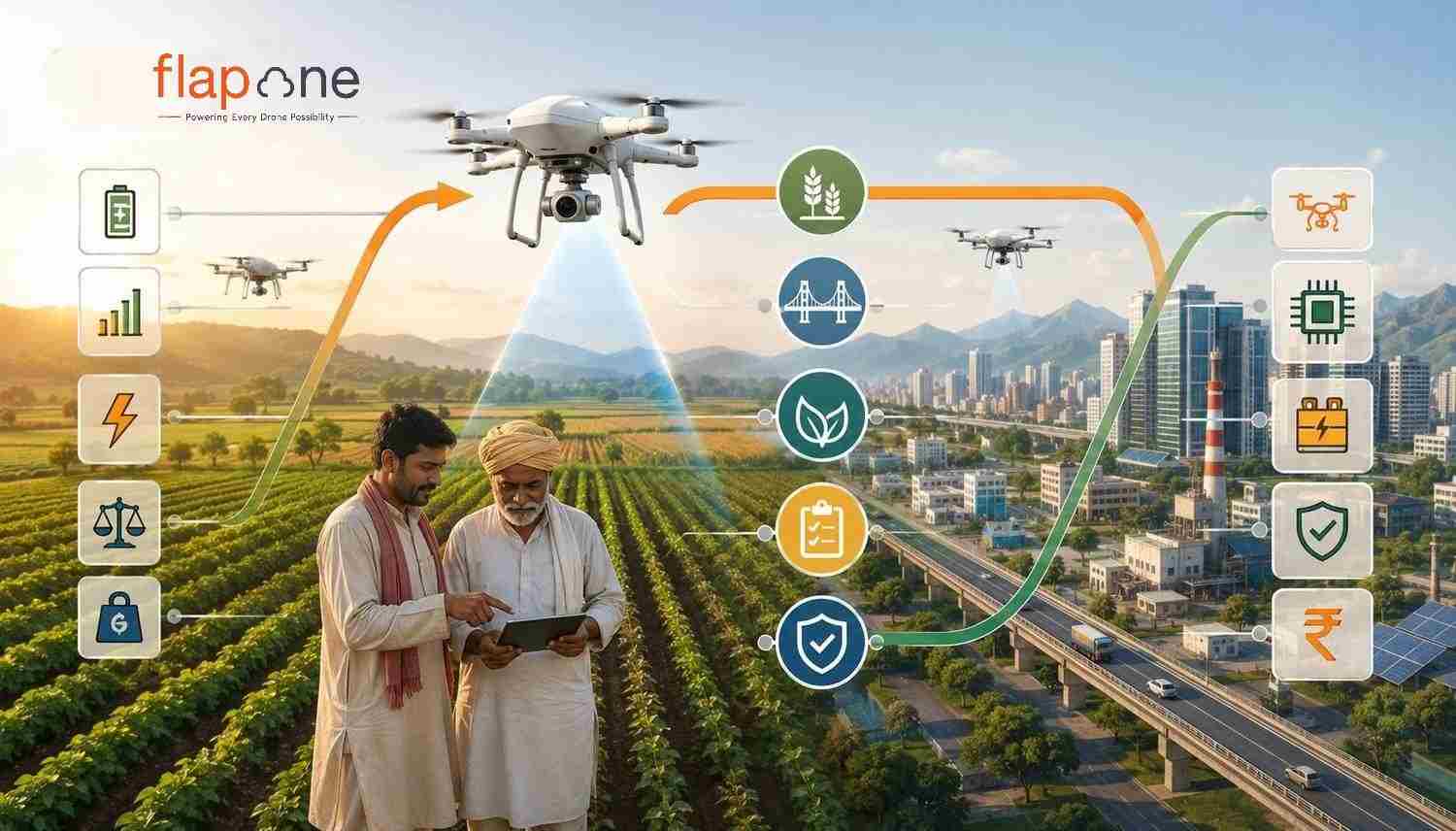
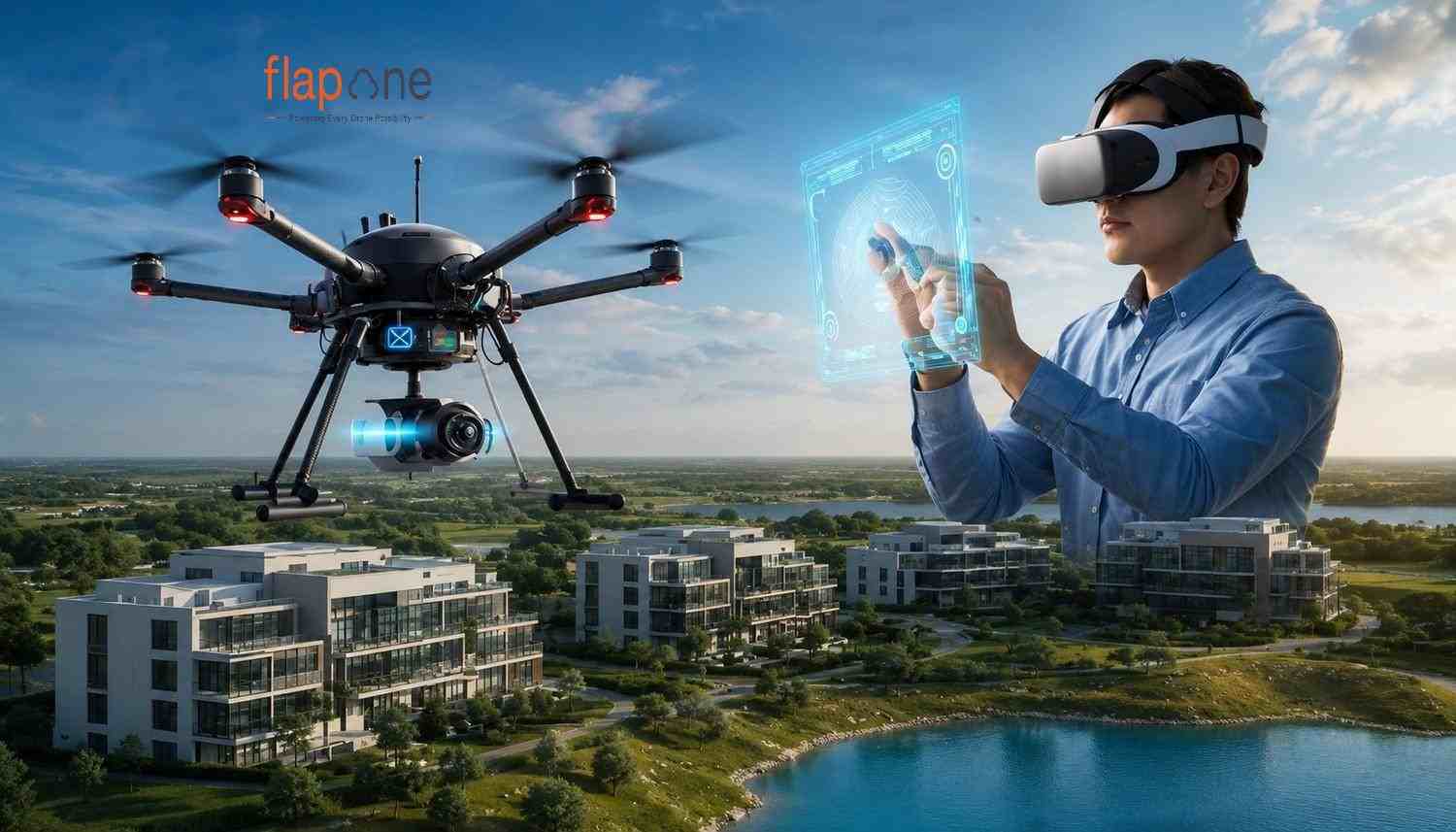
A professional drone is a specialized drone intended for specific, often commercial purposes. Unlike consumer drones, primarily used for recreational activities, professional drones are built for endurance, precision and versatility. They are used in photography, videography, agriculture, construction and inspection.

2. What are the Main Types of Professional Drones?

What are the Main Types of Professional Drones? - image 1
  • Photography and Videography Drones: These drones have high-resolution cameras and capture aerial images and videos. They are prevalent among hobbyists, photographers and filmmakers for personal and professional projects.
  • Cinematography Drones: These are used for film production; they have a cutting-edge camera for taking superior cinematic footage. They have stabilization features and can handle heavier cameras.
  • Mapping and Surveying Drones: These make 3D maps and topographical surveys. They use GPS and photogrammetry techniques, making them perfect for construction, mining and land surveying.
  • Precision Agriculture Drones: These are put to use in farming; these drones monitor health of the crops, track water use and spray pesticides or fertilizers. They offer comprehensive aerial views, helping farmers enhance yields.
  • Delivery Drones: These prove their worth when it comes to transporting goods and packages to different destinations. Amazon and UPS are experimenting with these drones for last-mile deliveries.
  • Inspection Drones: These can do well when it comes to inspecting power lines, wind turbines, bridges and industrial facilities. The need for human inspections has greatly decreased, and it can gather data quickly.
  • First Responder Drones: These drones provide emergency services during natural disasters, accidents or other emergencies, supporting search and rescue missions.

3. Drones Based on Features

Drones Based on Features - image 1
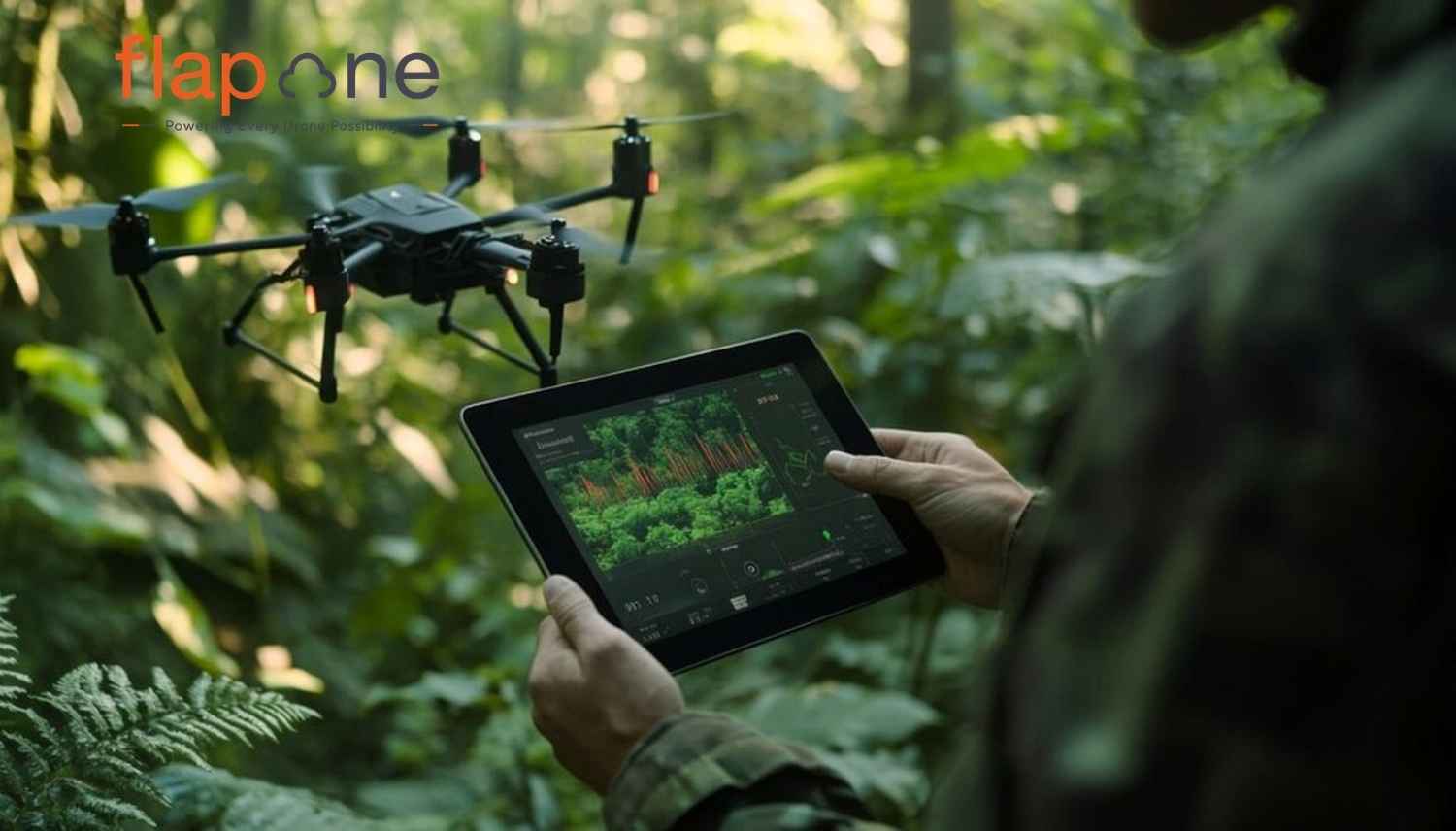
  • Thermal Imaging Drones: With the help of thermal cameras, these drones capture infrared data for detecting heat signatures. They are used for search and rescue missions and wildlife monitoring.
  • Autonomous Drones: These drones’ function without direct human control and use AI to make decisions in real-time. They are used for delivery, agriculture, and inspections and can complete tasks with minimal human intervention.

4. Drones Based on Structure

Drones Based on Structure - image 1
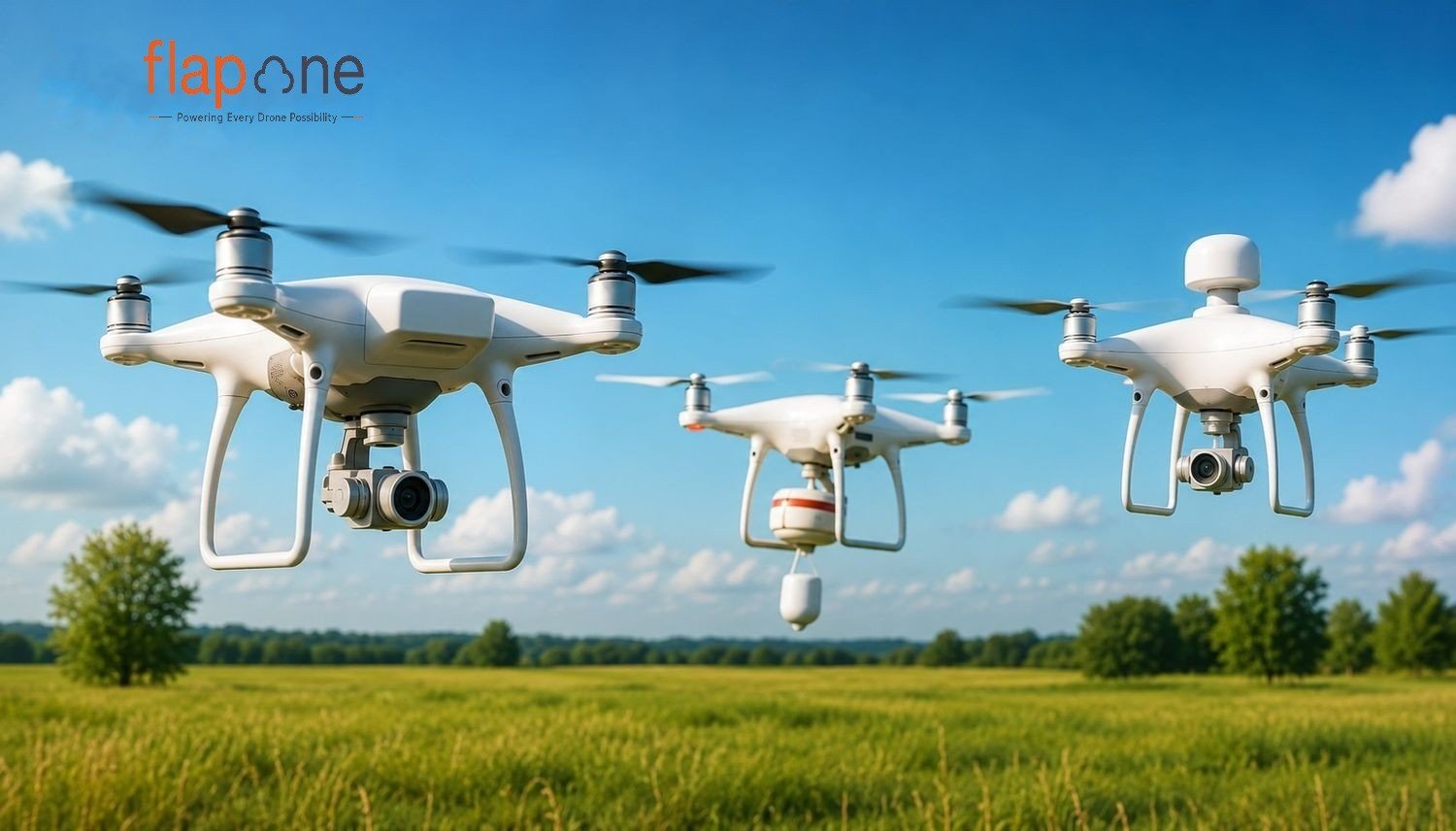
  • Multirotor Drones

These drones have multiple rotors for hovering. They offer precise control, making them ideal for tasks requiring stability, such as aerial photography, surveillance, mapping and inspection. However, their flight time is shorter because of higher energy consumption.

  • Fixed-Wing Drones

 These are just like small airplanes, using wings to generate lift. They are energy-efficient and can cover larger areas. These drones are used for long-distance mapping, surveying and environmental monitoring. Though they need a runway or open space for takeoff and landing, they cannot hover.

  • Hybrid Drones

Hybrid drones combine features of multirotor and fixed-wing drones. They can take off and land vertically like a multirotor and transition to effective, long-distance flight like a fixed-wing drone, making them multipurpose for various applications, from surveying to inspection.

5. Basis of Choosing Batteries for a Professional Drone

 Basis of Choosing Batteries for a Professional Drone - image 1

The most significant factors for a battery are its voltage and capacity. When you buy a drone, there will be a battery compatibility guide to help you out.  One should refer to the manual regularly for guidance.

Voltage

The drone's motor is the key factor in determining the essential battery voltage. Motors are rated for specific voltages and the battery voltage must match the motor's design. For instance, a 4S motor needs a battery with a nominal voltage of around 14.8V.

Higher-voltage batteries offer more power, particularly crucial for heavier drones or those with multiple rotors. Most professional drones operate on 4S, 6S or even 12S batteries, depending on the power requirements.


 Desired Performance and Flight Efficiency


More Power vs. Efficiency: Higher-voltage batteries allow the drone motor to spin faster, which is useful for drones that need speed, agility, or the ability to lift heavy loads.

Lower Voltage for Endurance: If your goal is longer flight times with less demanding performance, a lower-voltage battery may be more suitable, as it draws less current and is more energy-efficient.


  ESC Compatibility


ESC Voltage Range: The Electronic Speed Controller should be compatible with the battery voltage and motor. ESCs can handle a specific voltage range. Voltage beyond this could damage the ESC.


 Weight and Size Constraints


Drone Weight: Higher-voltage batteries tend to be heavier, which can affect the drone's agility and flight time. If agility is a priority, there is a need to balance voltage against overall weight.

Space Constraints: Higher-voltage batteries are larger, so the space on your drone to accommodate them may also be a deciding factor.

6. What are the Various Drone Applications?

 What are the Various Drone Applications? - image 1
  • High-Performance Drones: For professional drones needing high power, for example, those used for racing, heavy lifting or high-speed aerial photography, higher voltage is chosen for greater power output.
  • Surveying or Mapping Drones: Drones used for long-distance surveying or mapping can operate at lower voltage to prioritize energy competence and longer flight times over raw power.

7. Drone Battery Capacity

Drone Battery Capacity  - image 1

When selecting the capacity of drone batteries, two main factors affect the decision. The capacity of a battery is measured in milliamp-hours (mAh) and regulates how long the drone can stay airborne. For professional drones, capacities frequently range from 4,000 mAh to 20,000 mAh or more.

8. Drone Flight Time Requirements

  Drone Flight Time Requirements - image 1
  • Primary Consideration: The most significant factor in choosing battery capacity is how long you want the drone to stay in the air. Larger capacity batteries will offer longer flight times.
  • Application-Specific Needs: Each application requires different flight times. Aerial photography drones, for instance, might need longer flight times for extended shoots, while racing drones prefer agility over endurance.

9. Drone Weight and Payload

  Drone Weight and Payload - image 1
  • Battery Weight Trade-off: Higher-capacity batteries weigh more.  Weight and flight time are inversely proportional to each other. The drone’s total takeoff weight must be considered, as heavier drones consume more power.
  • Balancing Act: It’s vital to strike a balance between battery capacity and the drone's overall weight, particularly if you are carrying additional equipment, for example, cameras or sensors.

10. Power Consumption of the Drone

  Power Consumption of the Drone - image 1
  • Motor and Propeller Efficiency: The drone's motors and propellers determine how much power is consumed during flight. Drones with powerful motors, high speeds or heavy loads will drain batteries faster, requiring higher-capacity batteries to meet flight-time goals.
  • Hovering vs. Forward Flight: Hovering multirotor drones consume more power than forward-flying fixed-wing drones, meaning they require higher-capacity batteries for the same flight duration.

11. Battery Voltage of Drones

  Battery Voltage of Drones - image 1

Battery Capacity and Voltage Relationship: Battery capacity is thoroughly related to voltage. If your drone uses a higher voltage, you might require slightly lower capacity because the higher voltage offers more power. For lower-voltage setups, a higher capacity (mAh) is required for longer flight times.

12. Other Considerations in Choosing Drone Batteries

Other Considerations in Choosing Drone Batteries - image 1
  •   Discharge Rate (C-Rating)The C-rating indicates how fast a battery can release its energy. Professional drones that require rapid bursts of power, such as those used for racing or carrying heavy payloads, require a high C-rating. For general use, a lower C-rating is usually sufficient.
  •   Battery Management System: It helps monitor temperature, voltage and overall battery health. Many professional drones have smart batteries with BMS, ensuring safer and more efficient operations.

13. Coming to a Close

Coming to a Close - image 1

Choosing the right battery for a professional drone is important for optimizing performance, safety and efficiency. By matching the right battery to your drone's precise requirements, you can guarantee longer flights, safer operations and better results.  If you want to learn drone piloting or get your hands on a fantastic professional drone, you can come to us at Flapone Aviation.

Popular Tags:

Drone Training

Drone Batteries

Drone Products

Types Of Drones

Drone Applications

Multirotor Drone

Single Rotor Drone

Saheel Singh
Saheel Singh
Senior Content Writer

A dynamic and seasoned content writer with 6 years of experience curating content for different platforms. With the knowledge of all the cogs of content writing and SEO, he has served in various industries. He believes that content is the kingpin, and if penned well, it has a lasting impact on the minds of the readers. Apart from content creation, he is also an ardent poetry lover and performer. He has two publications of his poetry collection, namely Alfaaz and Chestha

Enquire Now

We’ve sent an OTP to your mobile XXXXXX6783

Didn’t receive the OTP? RESEND OTPRESEND OTP in 10 sec
Register Now Book Free Consultation

Related Blogs & Insights

Explore tips, trends, and expert knowledge shaping the industry.

Need Help Navigating the World of Drones?

From selecting the right drone to finding a course, our team can guide you through every step of your drone journey.

Chat with Expert Schedule Call

Share

half-star-solid phone