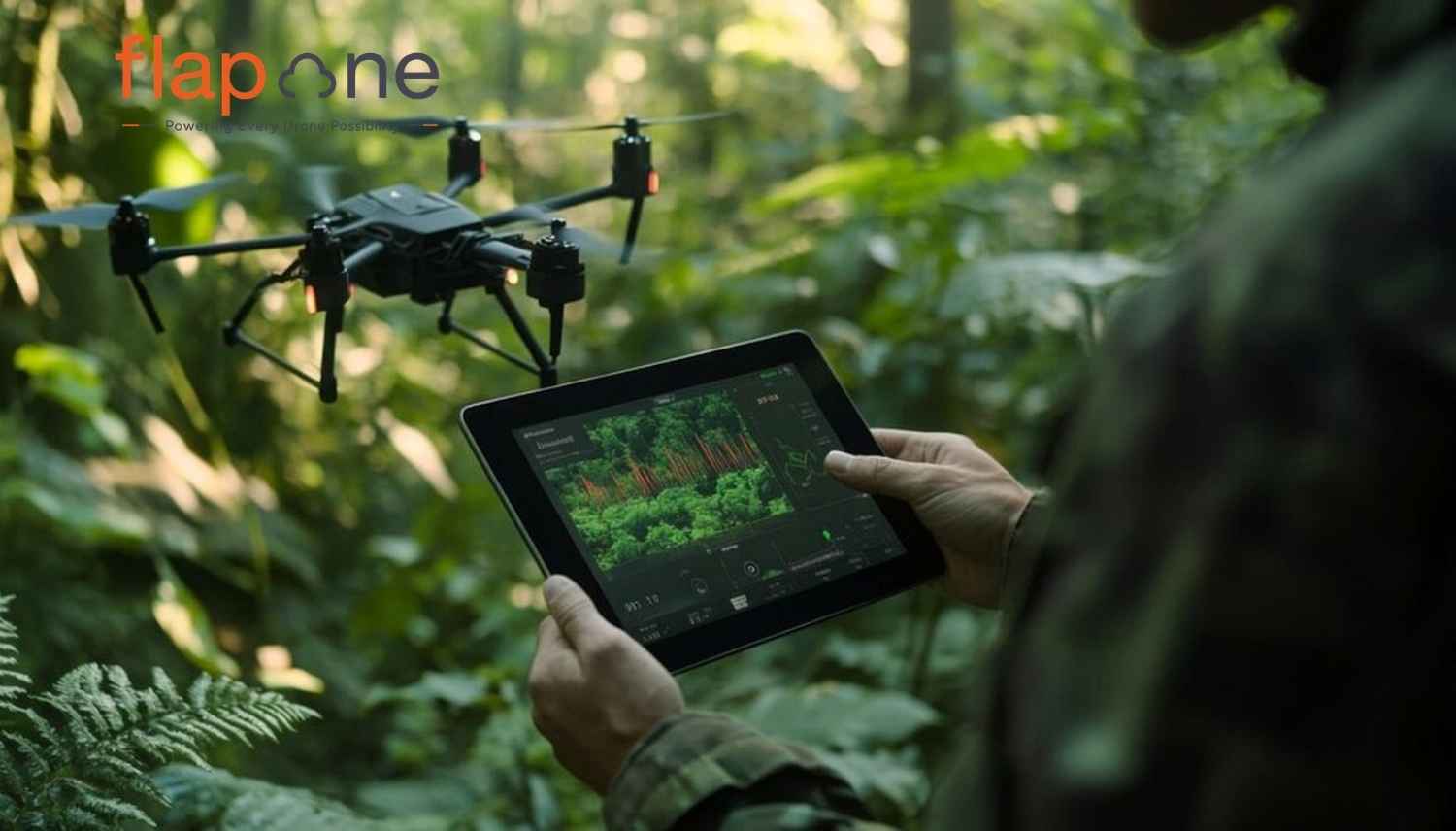
How Drone Cameras Are Enhancing Environmental Conservation and Wildlife Monitoring?
It would not at all be an exaggeration to state that drones have become the supporters of humans in many ways, not only in India but all over the glob
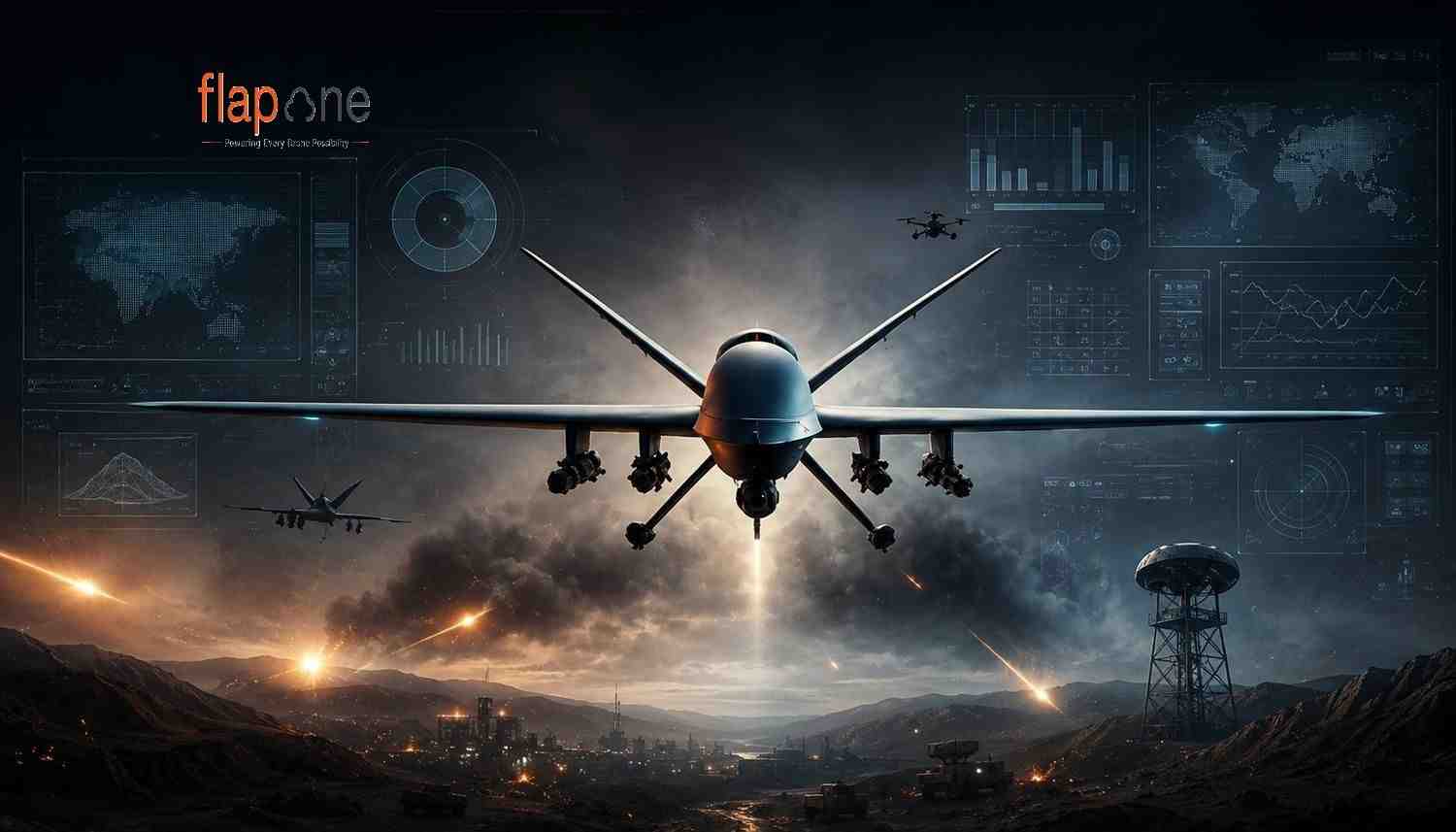
Kamikaze drones, or what you call suicide drones, are redefining the battlefield. It represents a significant departure from traditional drones and raises challenges and opportunities for military strategy and ethics. Now, the battlefield is not just influenced by traditional warfare but revolutionary technology like drones also has a big part to play. This blog will help you understand how Kamikaze drones act as a modern weapon on the battlefield.
“Kamikaze” concepts date back to World War II, when suicide attacks were done by the Japanese pilots purposely crashing their planes into the enemy ships. And the concept has been resurrected as a drone.
Kamikaze drone development is powered by progressions in drone technology, particularly in miniaturization and autonomy. These drones are small, lightweight, and can take a lot of payloads. They can be launched from ground, ships and aircraft, offering flexibility and strategic advantage to the military.
Kamikaze drones have become a sound option for contemporary military operations. The main reason is their ability to deliver precision strikes, enabled by sensors and guidance systems. This accuracy has a lot to do with reducing collateral damage and allows targeted strikes against the enemy forces.
Similarly, Kamikaze drones can navigate complex environments and evade enemy defences effectively, making them a fine weapon against well-defended targets. Their small size and low radar cross-section also advance stealth, allowing them to enter the enemy airspace.
These drones can come in handy for surveillance and offensive operations. These drones can be used in conventional and asymmetrical conflicts, offering military commanders a versatile tool for achieving strategic objectives.
There is absolutely no doubt that these drones have significant value in evolving battlefield situations, but all things also have a flip side, and Kamikaze drones are no exception. Some eyebrows are also raised about Kamikaze drones, particularly regarding ethical and legal concerns. The ultimate idea of drone autonomy of lethal force without human intervention raises questions around accountability and the laws of war.
Furthermore, the Kamikaze drone use blurs the line between combatant and civilian drones, as they can target people as well as infrastructure indiscriminately. This poses many dilemmas for policymakers and military leaders tasked with upholding humanitarian principles while guaranteeing national security.
Also, the production of Kamikaze drones poses challenges for arms control and non-proliferation efforts. The ease of manufacturing and positioning these drones makes them accessible for the military as well as civilian use, potentially destabilizing regional security dynamics.
With Kamikaze drone technology, evolving as rapidly as anything, its impact on the future of warfare cannot be exaggerated. Military heads are pretty positive about the fact that these drones can easily integrate these systems into their arsenals, leveraging their competencies to give an edge in the warzone.
The widespread acceptance of Kamikaze drones also necessitates a review of existing rules and regulations that govern armed conflict. International cooperation will be crucial to establishing precise guidelines for the accountable use of autonomous weapons and reducing all the risks associated with their proliferation.
Also, the escalation of Kamikaze drones underscores the importance of investing in countermeasures and defence systems to detect and neutralize these threats. This comprises the development of cutting-edge sensors, jamming technologies and kinetic interceptors to guard against airborne attacks.
The drones, created by IIT Kanpur, are capable of carrying a payload of up to 6 kg for up to 100 kilometres. These in-house drones can eliminate adversary targets without relying on the Global Positioning System. The drone has been under expansion as part of the DRDO Young Scientist Laboratory initiative. The two-meter-long, folding fixed-wing Kamikaze drone was advanced domestically. Cameras and infrared sensors can also be added. A canister launcher can be used to launch the drones. With the use of AI, the locally manufactured drones can neutralize hostile targets even when the GPS is not present.
Kamikaze drones have transformed modern warfare by delivering precision, speed, and cost-effective strike capabilities. Their performance depends on the same core aviation principles that govern every aircraft and plane—including thrust, lift, aerodynamic wings, reliable engines (or propulsion systems), and stable flight control. These unmanned systems played a significant role during Operation Sindoor and continue to shape military operations in ongoing global conflicts, including the Middle East. As drone technology advances rapidly through artificial intelligence, autonomous navigation, and enhanced payload capabilities, kamikaze drones are expected to remain a decisive force in the future of modern defense and aerial operations.
If you aspire to build a professional career in the drone industry, FlapOne Aviation provides DGCA-approved drone pilot training designed to prepare you for real-world operations. With experienced instructors, practical flight training, and a strong foundation in aviation concepts such as lift, thrust, aircraft performance, wings, engines, and safe flight operations, FlapOne equips aspiring drone pilots with the technical knowledge and hands-on skills required to succeed in the rapidly growing UAV industry.
Drone technology continues to evolve across civilian, industrial, and security-related applications. Understanding these developments also requires awareness of responsible drone operations, surveillance capabilities, and applicable regulations. Explore FlapOne’s Drone Services in India to learn about professional UAV applications, and discover the Asteria A200-XT Small Category Drone for Surveillance & inspection for more information about a commercial surveillance drone.
Not sure which drone fits your needs? Our experts can guide you to the perfect UAV for your mission.