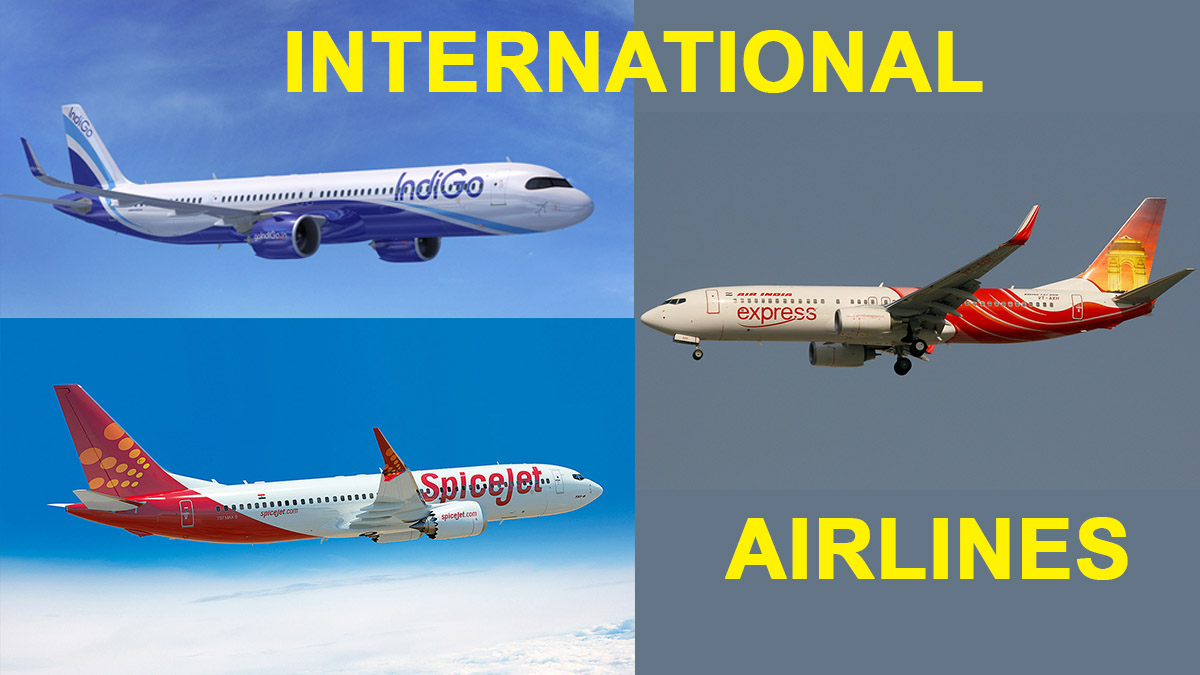
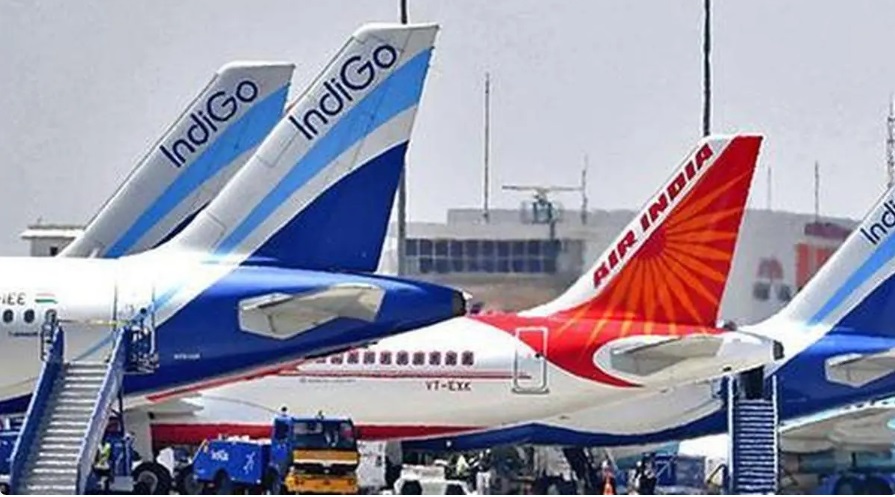
Indian Airlines Seeks Relief Amid Rising Costs
Air India and Indigo are advising the Indian government to reduce aviation fuel taxes and certain airport charges, as the Middle East conflict
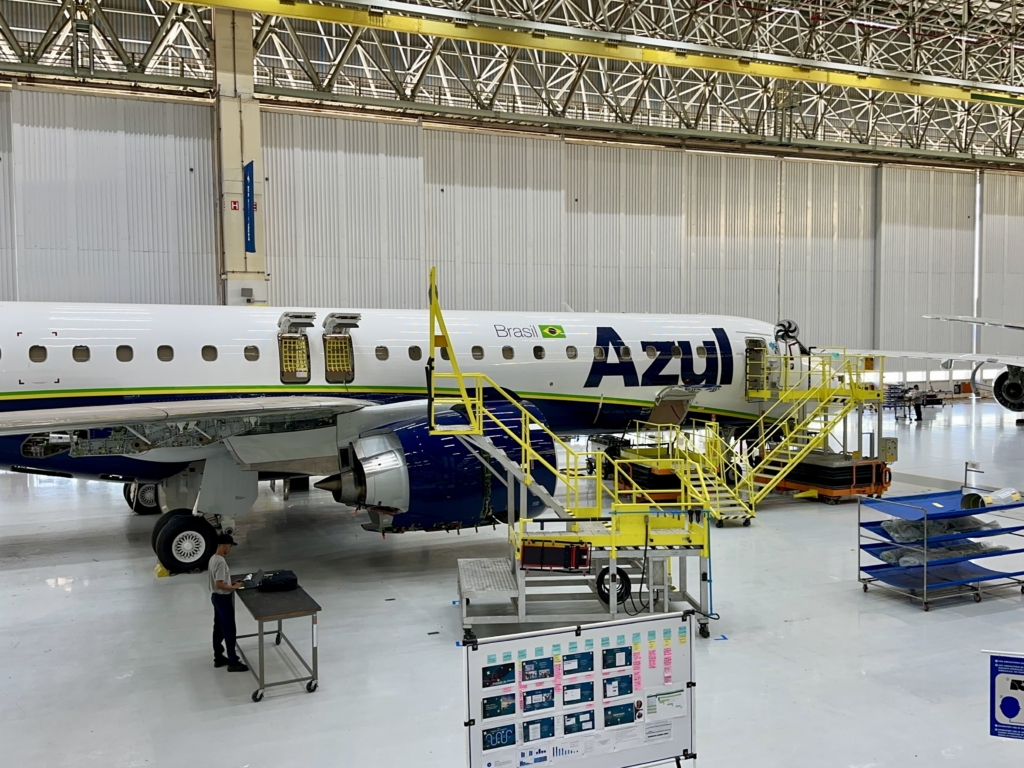

India is working hard to become a substantial player in the global commercial aircraft manufacturing industry through a tactical partnership between the Adani Group and Brazil’s Embraer. After the MoU was signed between Adani Aerospace and Embraer in Brazil, the partnership plans to establish a local assembly line for Embraer’s regional passenger jets. This could be India’s first final assembly line for commercial aircraft.
Although the full details of the project have not yet disclosed, the agreement includes assembling Embraer’s regional jet family, which serves short- to medium-haul routes and houses between 70 and 146 passengers.
Should the project be completed, India would join the US, Brazil, Canada, France, and China, which operate commercial aircraft assembly lines. Taking the history into account, the focus of the Indian aerospace industry has always been on defence programs, manufacturing components and systems integration and not on building a commercial aircraft assembly.
Tactical Implications for Adani and the Indian Aviation Industry
The assembly line aligns with the Adani Group’s lofty ambitions. The company has dedicated INR 1 trillion to investing in its airports business in the next 5 years and has expanded into maintenance, repair and flight simulation training.
The Director at Adani Airport Holdings Ltd, Jeet Adani, focused on the company’s strategy to differentiate airport infrastructure from aircraft-related services and to consolidate MRO competencies through entities, for instance, Indamer and Air Works, into a unified platform.
The incorporation of an Embraer assembly line would integrate manufacturing into Adani’s aviation ecosystem, creating an inclusive pipeline which spans assembly, maintenance, training and lifecycle support. This model is typical of more advanced aviation markets and could advance working competencies and service offerings within the aviation sector of India.
Support of the Government and Context of the Market
The partnership’s timing is significant, taking into account that India is among the fastest-growing aviation markets worldwide. With over 1,800 aircraft on order from IndiGo, Air India and Akasa Air, the requirement for new aircraft is sizable. However, delivery slots for single-aisle aircraft from Airbus and Boeing are mainly booked well into the next decade.
The government of India has urged global manufacturers to establish final assembly lines in India to boost industrial capabilities and reduce dependence on imports. There can be economic incentives for airlines to order aircraft assembled in India.
Investors are hopeful about the deal and are interested in knowing about scalable platforms and consolidation forecasts in the commercial aerospace industry. Embraer’s strong delivery performance in 2025, surpassing its annual estimates, underscores a favourable environment for the partnership's success.
Implementation Challenges for this Deal
There is no doubt that the overall outlook for the aviation sector looks very promising for establishing commercial aircraft assembly in India, but it is not without challenges. There is a need for profound supplier networks, stringent quality control systems and regulatory alignment with aviation authorities worldwide. Aircraft manufacturing needs a lot of capital, the margins are thin and it hinges heavily on airline demand to keep up production stability.
Any efficacious final assembly line implementation would need strong policy support, competitive cost and lasting commitments from both manufacturers and airlines to guarantee viability and sustainability.
Source: Times of India
Connect with our aviation mentors to find the right path toward becoming a licensed aircraft pilot.