Insights on Defence Drones

Explore articles and updates related to Defence Drones in the aviation and drone industry.

Indian Army Creates Modern Warfare Force 'Bhairav' with More than One Lakh Drone Operatives
Defence Drones Drone Pilot

Indian Army Creates Modern Warfare Force 'Bhairav' with More than One Lakh Drone Operatives

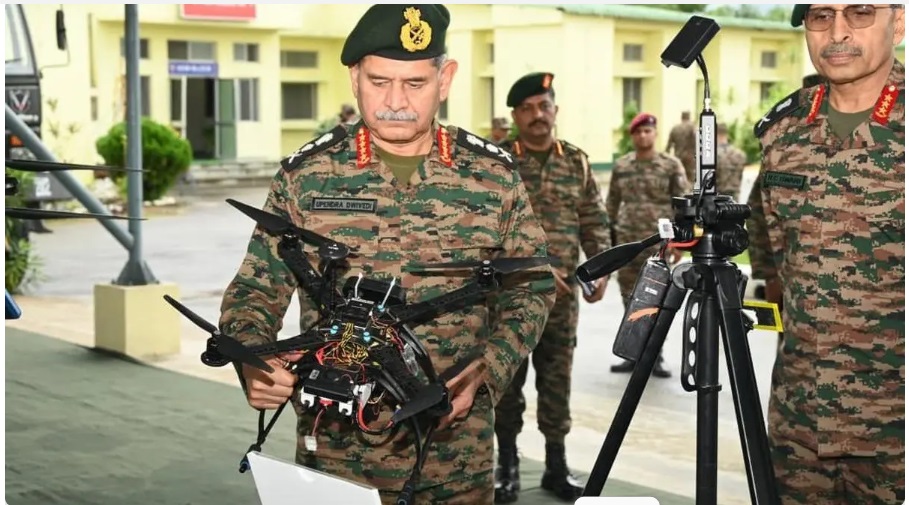
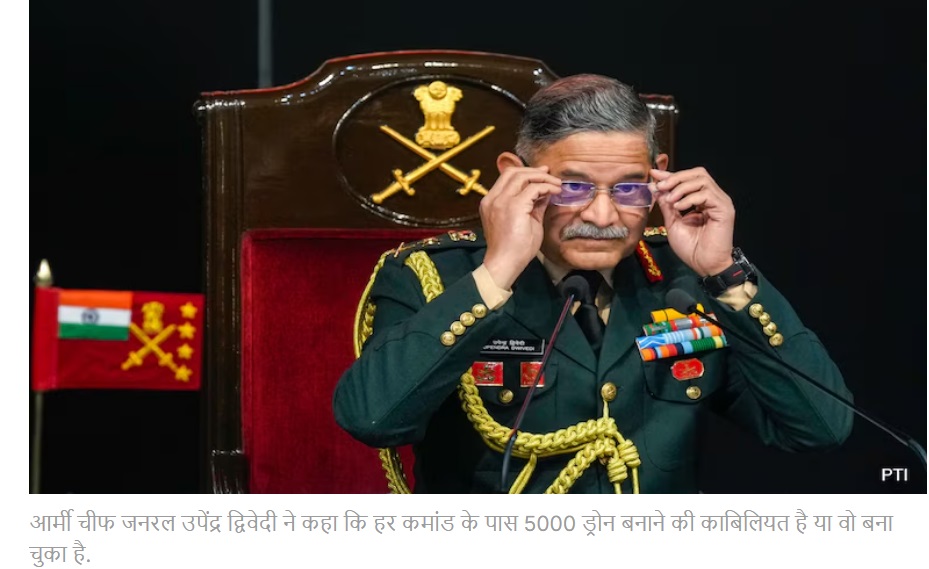
At a time when the Centre is pushing for restructuring the defence forces, the Indian Army has undergone one of the most significant transformations to meet modern warfare challenges, creating a pool of more than one lakh drone operators across the force. Bhairav, the latest Special Force raised by the Indian Army, is formed to meet the challenges of contemporary warfare, as all operatives can handle drones and use them in real operations to target bases and formations in enemy territory. The Bhairav battalions, raised by Army Headquarters with lessons from global and individual conflicts in mind, have been formed to provide a dedicated force for high-speed, offensive operations, performing Special Forces tasking at several levels as required. The Indian Army has, by now, raised about 15 battalions, which are assigned to diverse formations along both borders and plans to raise about 25 more in the near future. The Bhairav battalions would also bridge the gap between the Para Special Forces and the regular Infantry battalions. The Bhairav would also be tasked to perform Special Operations at strategic to operational depth. “Modern warfare is altering at a rapid pace.   Today’s conflicts are hybrid and there is a need for a fully equipped force with contemporary technology to cope with the Challenges. The Bhairav battalions are also formed as part of the force restructuring, which is raised because of the needs of modern technology, new thought process and according to the latest operational requirements,” Commanding Officer of the 2 Bhairav Battalion said. “I am the CO of the Desert Bhairav Battalion of the Southern Command of the Indian Army. The desert presents its own challenges, requiring specialized skill sets, endurance and technology to be used effectively. That is why Bhairav is a technology-driven system which can work self-reliantly and perform multidomain operations in the future,” he added. Explaining about the development of the unit, the CO said, “The desert Bhairav Battalion is formed on the concept of ‘Sons of the Soil’ as most of the troops are from Rajasthan who can comprehend the terrain, language, weather and the area. The battalion has been built on the legacy of Rajanghan's valour and gallantry and that is our biggest strength. We can counter any challenge in the desert sector.” Source: Times of India

Saheel Singh 07 Jan 2026
Army Will Acquire 850 Indigenous Kamikaze Drones Worth Rs 2000 Crore
Defence Drones Kamikaze Drones

Army Will Acquire 850 Indigenous Kamikaze Drones Worth Rs 2000 Crore

The Indian Army, in a move to improve its military prowess, will acquire 850 kamikaze drones worth Rs 2000 crore. Leveraging lessons from India's ‘Operation Sindoor’, the Indian Armed Forces is strengthening its defence forces. The acquisition will be cleared by the Defence Acquisition Council later this month, will be a big step in India's approach to contemporary warfare.  According to reports, indigenous drones, sourced from domestic manufacturers, will equip the Army, Navy, and Air Force with pioneering technology to tackle emerging threats. The deal is another example of India's push for self-sufficiency in defence production, aligning with the government's 'Make in India' initiative. As   India is looking to strengthen its position in the region, the kamikaze drones will provide an edge, allow precise strikes and minimizing collateral damage. The Army's experience during Operation Sindoor, where drones were key in targeting terrorist hideouts, has informed this decision. The Indian Army, with plans to invest 30,000 loitering munitions in the near future, is bringing a key change in warfare competencies. The drones will be integrated into infantry battalions, with each unit forming an Ashni platoon dedicated to working these unmanned aerial vehicles.  What Are Kamikaze Drones? The officials stated that Kamikaze drones are drones designed to hover over a target area before crashing into it with explosive payloads. They are cost-effective, high-precision tools used for surveillance and strikes, diminishing collateral damage. As officials stated, the Army plans to have each infantry battalion include an Ashni platoon accountable for operating these drones against enemy locations and in counterinsurgency roles, with the induction of about 30,000 loitering munitions in the near future. Kamikaze Drones Effectiveness During Operation Sindoor The Indian Army has formerly used drones efficiently during Operation Sindoor, targeting terror headquarters inside Pakistan and neutralizing 7-9 terrorist targets. The drones also took on the Pakistan Army, causing enormous damage and casualties. The drones will be sourced from indigenous manufacturers, aligning with India's push for self-dependence in defence technology. Companies such as InsideFPV Ventures and Maharshi Industries are leading the expansion of affordable, high-precision kamikaze drones priced at about $400 per unit. Source: Republic Bharat

Saheel Singh 29 Dec 2025
Indian Army Tests Indigenous Long-Range Drone Built to Beat Electronic Warfare
Autonomous Drones Long Range Drones

Indian Army Tests Indigenous Long-Range Drone Built to Beat Electronic Warfare

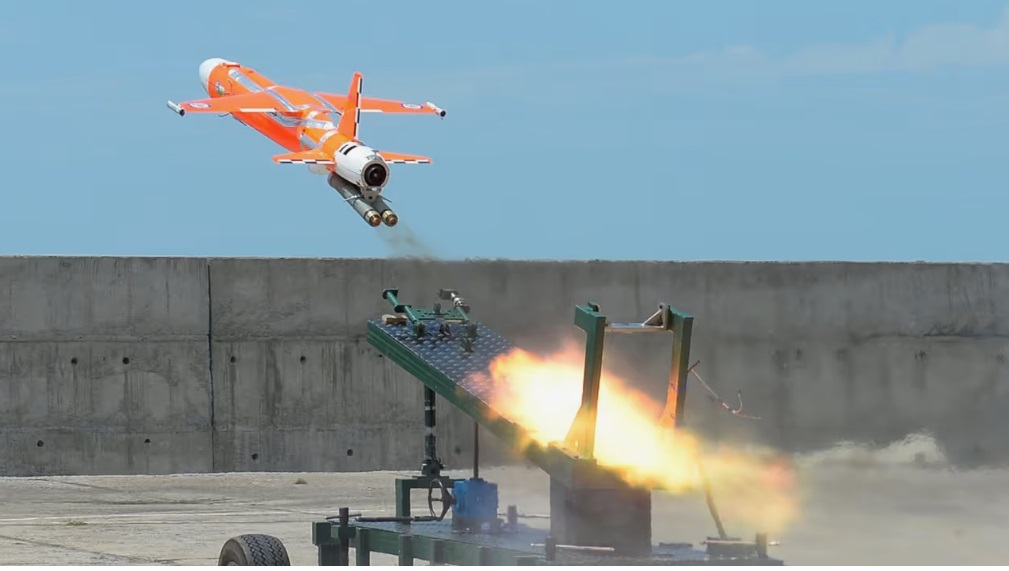
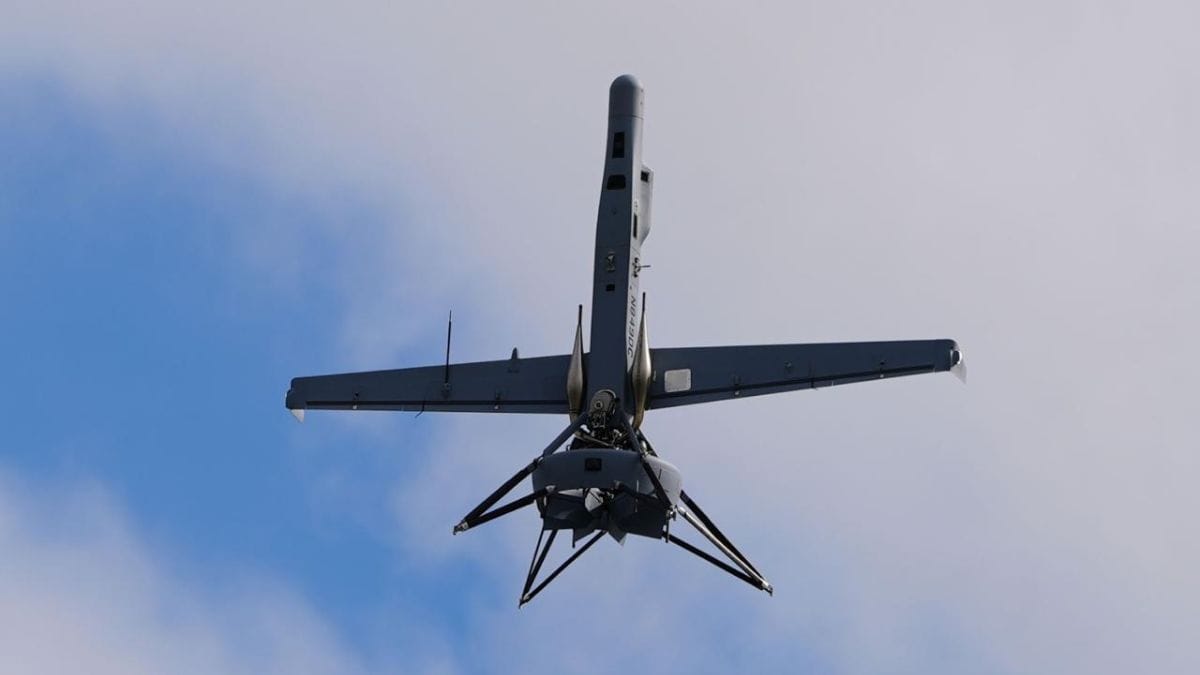
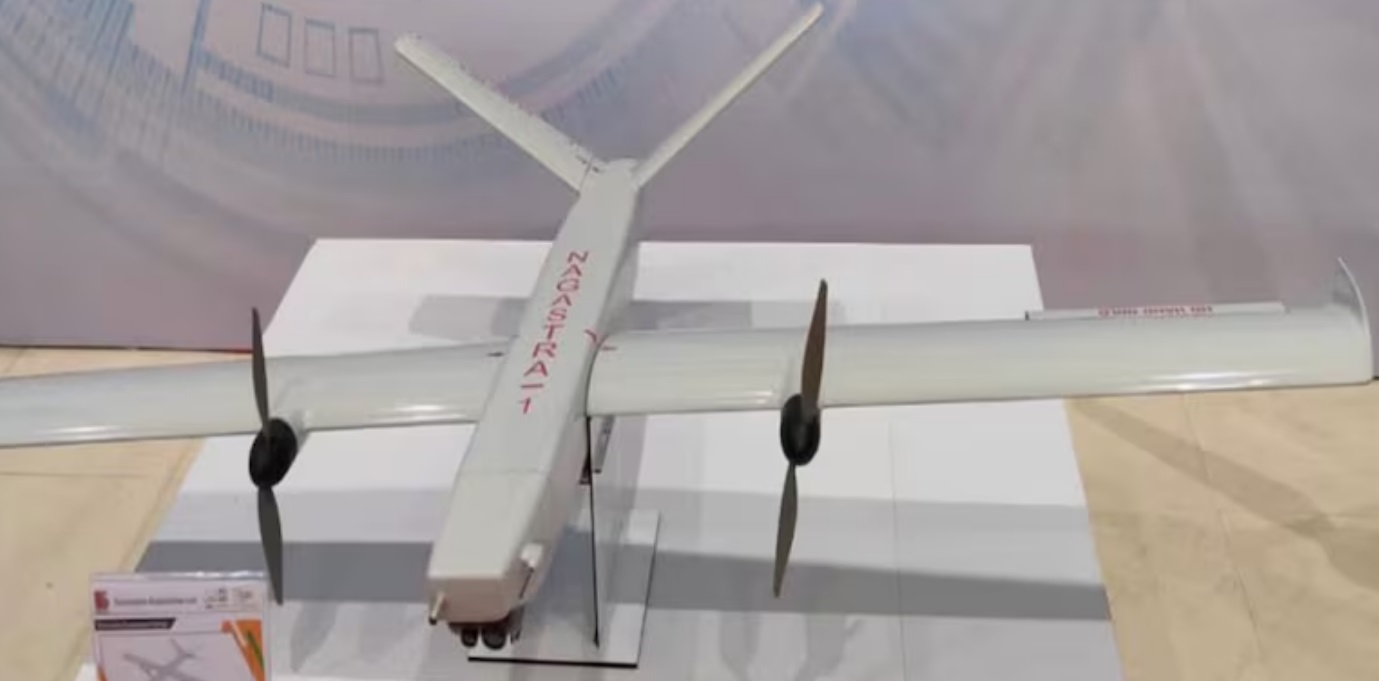
The Indian Army has moved toward strengthening its indigenous drone competencies with the successful trial of a new long-term drone designed to function even under intense electronic warfare conditions. The test was conducted at the Mahajan Field Firing Ranges in Rajasthan by the artillery division of the Kharga Corps. The drone, a fixed-wing platform with a range of about 100 kilometres, has been advanced through a collaboration between Chennai-based start-ups and Army engineers from the artillery arm. Senior military leadership observed the trial, which the Army defined as a milestone in its push for self-sufficiency in important technologies.   The Army said the successful demonstration marked a significant advance in the expansion of electronic warfare-resilient drone systems. Unlike conventional unmanned platforms that depend heavily on continuous radio links and satellite-based navigation, the newly tested drone is intended to function in contested electromagnetic environments. Contemporary battlefields more and more see adversaries attempting to jam, spoof or hijack drones by targeting their communication frequencies or GPS signals, frequently rendering them ineffective or even turning them against their operators. To counter such threats, electronic warfare-resilient drones use a combination of cutting-edge technologies. These comprise AI-driven mission control, onboard computing, visual and inertial navigation systems and pre-programmed flight paths that let the drone complete its task without constant external inputs. Anti-jamming communication techniques, for example, frequency hopping, low-probability-of-intercept signals and mesh networking, further improve survivability, while substitute control options can decrease vulnerability to electronic attacks. The emphasis on such systems reflects the varying nature of warfare. Drones are indispensable tools for surveillance, reconnaissance, communication support, logistics and precision strikes. Fresh conflicts, including the brief military confrontation between India and Pakistan earlier this year and the continuing Russia-Ukraine war, have underscored how decisive drones can be on the battlefield. Drawing lessons from these engagements, the Indian Army has been updating its operational doctrines and tactical concepts to integrate drones more deeply into combat roles. A series of field exercises has been conducted across wide-ranging terrains to test and refine the employment of unmanned platforms under realistic conditions. Over the past few years, the Army has inducted a wide spectrum of drones, ranging from small hand-held tactical drones used by infantry units to larger, long-endurance systems capable of operating deep into enemy territory. These platforms have been integrated across arms and services, as well as for tasks such as delivering supplies in high-altitude and remote areas. Simultaneously, the importance of indigenous development is growing. The Army, together with the other services, has been working closely with domestic industry and start-ups to design, develop and manufacture drones tailored to Indian operational requirements. In-house innovation, alongside enhanced training in drone warfare, is seen as critical to maintaining an edge in future conflicts. The successful trial in Rajasthan highlights how this method is starting to yield tangible results, supporting the Army’s broader objective of technological self-dependence while acclimatizing to the realities of contemporary, technology-driven warfare. Source: The Tribune

Saheel Singh 24 Dec 2025
Indian Armed Forces to Procure More Satellite-Linked Heron Mk II UAVs Under Emergency Procurement
Defence Drones Drone Pilot

Indian Armed Forces to Procure More Satellite-Linked Heron Mk II UAVs Under Emergency Procurement

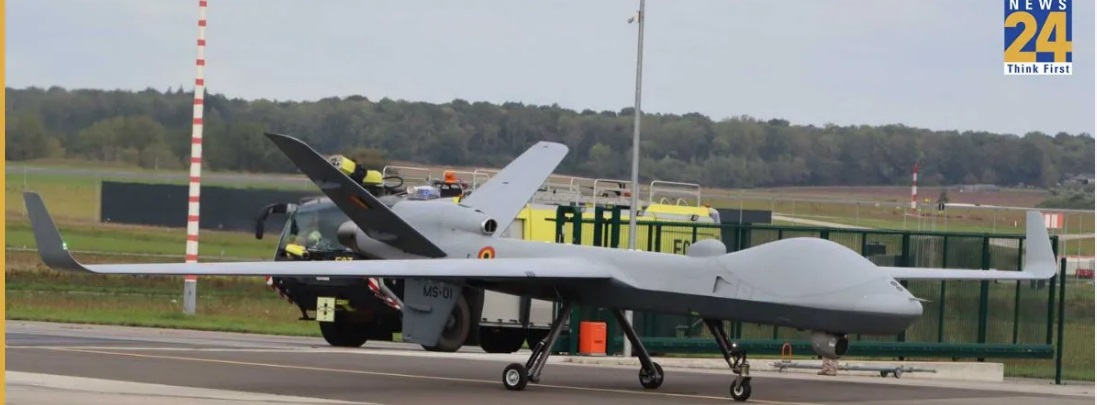
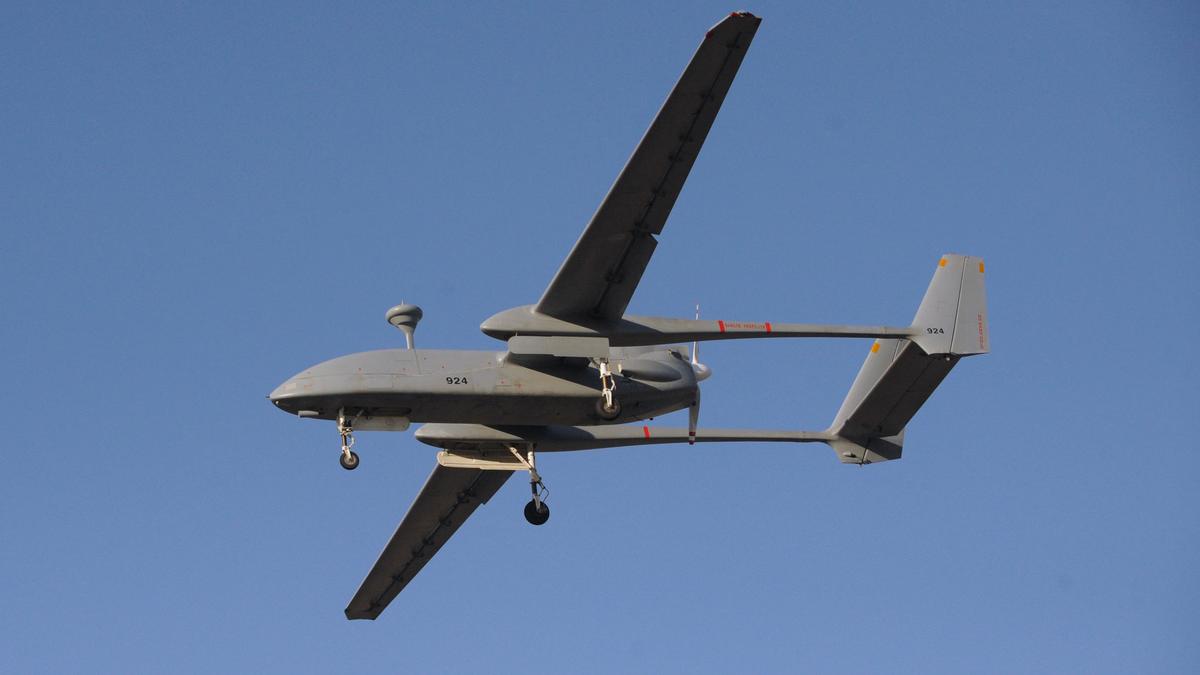
To improve their unmanned capabilities in the wake of Operation Sindoor, the Indian armed forces have signed contracts for additional satellite-linked Heron Mk II drones under emergency procurement, sources in the Israeli defence industry said. As stated by the sources, the Army and Air Force, which by now operate Heron Mk II drones, have placed further orders, while the Indian Navy is obtaining them for the first time. The Navy will soon transition to the more cutting-edge Heron Mk II platform. According to existing guidelines, under emergency procurement, the armed forces can obtain weapons systems and entire systems worth up to INR 300 crore. To improve their unmanned capabilities in the wake of Operation Sindoor, the Indian armed forces have signed contracts for supplementary satellite-linked Heron Mk II drones under emergency procurement, sources in the Israeli defence industry said. According to sources, the Army and Air Force, which already operate Heron Mk II drones, have placed additional orders, while the Indian Navy is acquiring them for the first time. The Navy, which has long depended on Israeli-made Searcher UAVs for surveillance, will soon transition to the more cutting-edge Heron Mk II platform. According to existing guidelines, under emergency procurement, armed forces can obtain weapons systems worth up to INR 300 crore. A senior Israeli defence official informed that drones have become an integral part of contemporary warfare, with about 70% of battlefield operations conducted by drones. They play a significant role in countering air defence systems, allowing the detection, tracking and neutralization of high-value threats. The Heron family, particularly the Heron Mk II, is a key component of this evolving combat environment due to its versatility and proven reliability. The Indian Army has positioned these drones at forward bases in the northern sector. The Heron Mk II is a MALE UAV capable of carrying a payload of close to half a tonne and sustaining over 24 hours of continuous flight. With Synthetic Aperture Radar, electro-optical systems and SIGINT sensors, the platform offers comprehensive ISR capabilities in challenging weather conditions. Its fully automated take-off and landing systems, in addition to encrypted satellite communication, allow remote operations, flexible mission planning and disposition across varied theatres without ground-based line-of-sight control. In line with India’s push for defence indigenization, numerous Israeli defence industries, including state-owned defence manufacturers, are working with defence PSUs and private partners to improve local production. The companies are also making training, maintenance and integration competencies within India, the official said. Israeli manufacturers are preparing for future Indian tenders under the “Make in India” framework and discovering deeper partnerships to meet compliance requirements. In September this year, the defence ministry issued a Request for Proposal for a major acquisition of 87 MALE drones, with an emphasis on an indigenous “Make in India” programme that also consents foreign partnerships. Source: The Hindu

Saheel Singh 02 Dec 2025
India's Drone Warfare Roar Leaves Pakistan Sweating, Army Launches Powerful Attack in 'Vayu Samanvay II
Drone Piloting Drone Training

India's Drone Warfare Roar Leaves Pakistan Sweating, Army Launches Powerful Attack in 'Vayu Samanvay II

The Indian Army completed the 'Vayu Samanvay II' exercise in the desert terrain. During the exercise, the Southern Command conducted drills in drone and anti-drone warfare. The exercise aimed to address future emerging aerial threats and further strengthen capabilities and response efficiency. The exercise was conducted in the desert region bordering Pakistan. Through this drill, the Army sent a clear message to neighbouring countries China and Pakistan: It is fully prepared to respond to any suspicious activity along the border. Real-Time Battlefield-Like Environment The Ministry of Defence stated that the drill was conducted in realistic war-like conditions. It comprised an electronic warfare environment and a multi-domain operation setup. Coordination among ground and air resources was established through command-and-control centres. Response tactics were then tested. Its objective was to prepare the Army for the next-gen battlefield and evaluate its capabilities. Drone vs. Drone Technology Confrontation The two-day exercise tested the fundamentals of drone and counter-drone operations. Held near India's border with the desert, the exercise examined emerging aerial threats and tested the effectiveness of surveillance, jamming and response systems. Indigenous Technology and Joint Operations Air Coordination-II also established coordination among several branches of the Indian Army. Indigenous technologies and systems were tested in field-level operations. This exercise is a crucial step in further refining tech-enabled operations in border areas. Army Statement Lieutenant General Dheeraj Seth, GOC-in-Chief of Southern Command, praised the success of the exercise. He said that it will significantly help the Indian Army in rapidly integrating drone and counter-drone systems. This demonstrates the Indian Army's readiness to adopt modern technology in a multi-domain battlefield. He said the Army is continuously working on defence modernization and innovation to meet emerging threats on every front. The Indian Army is building a tech-driven and combat-ready force for future warfare. Source : Zee Hindustan

Admin 07 Nov 2025
half-star-solid phone