Indian Airlines Seeks Relief Amid Rising Costs
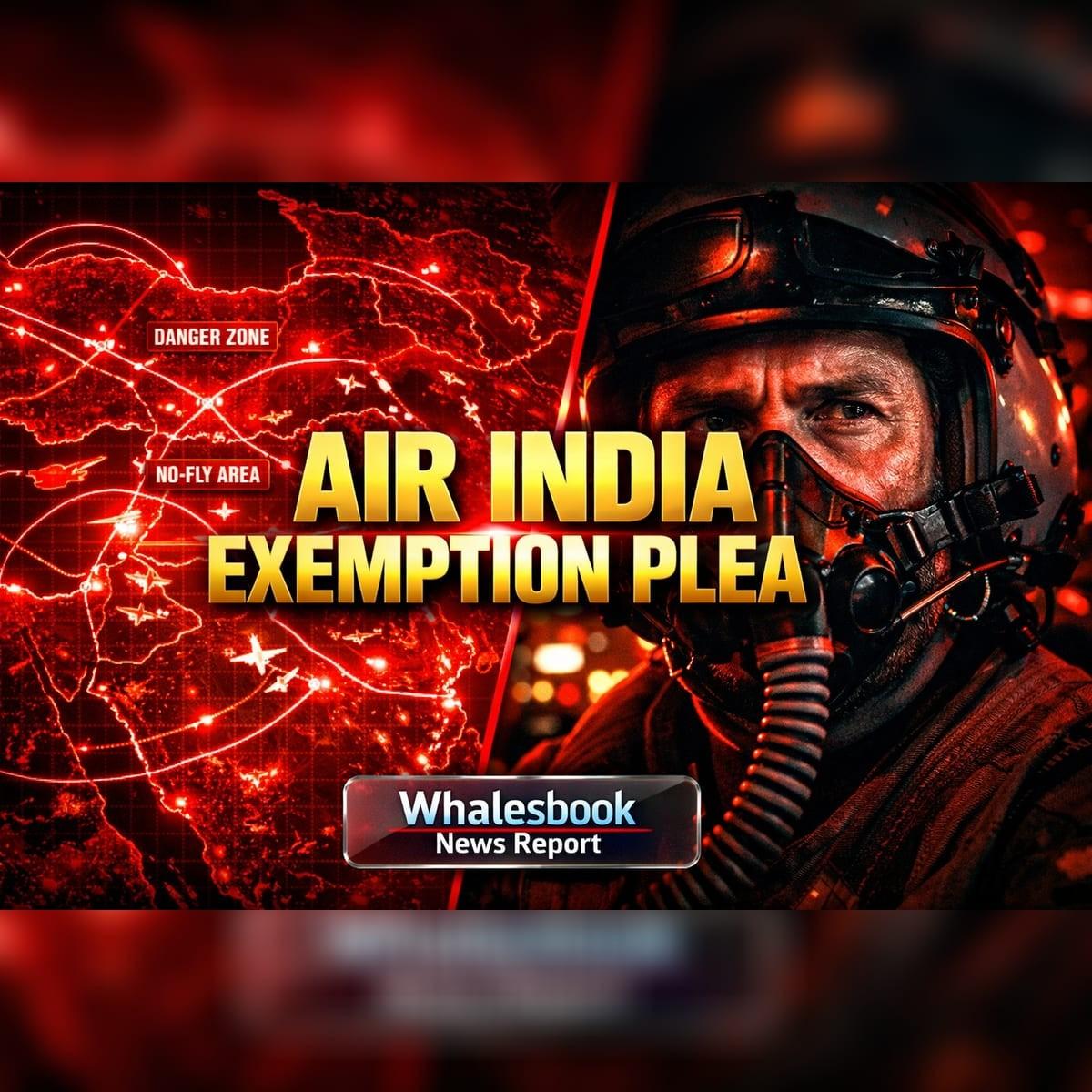
Air India and Indigo are advising the Indian government to reduce aviation fuel taxes and certain airport charges, as the Middle East conflict
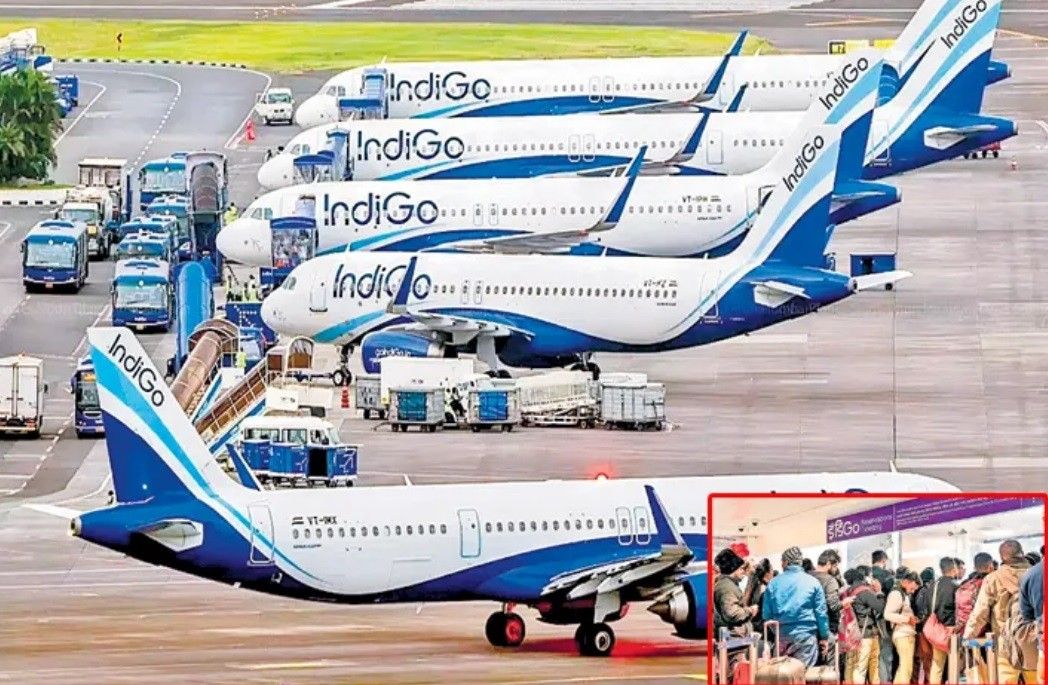

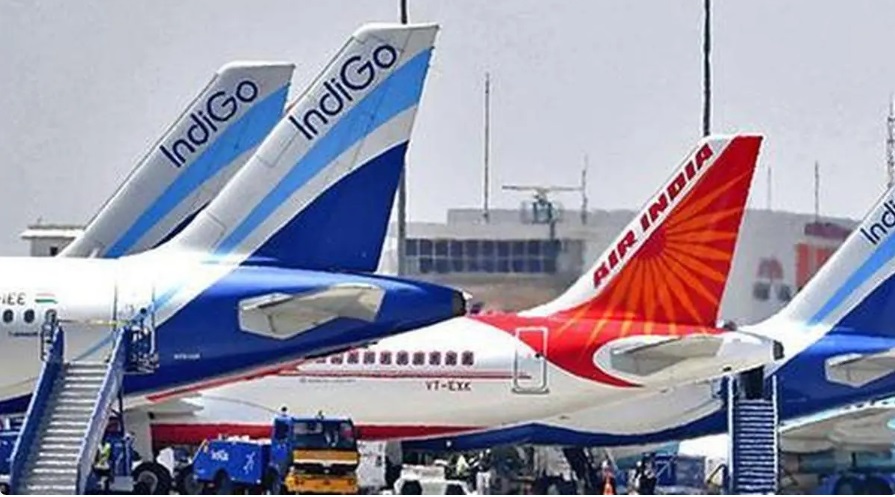
IndiGo has plunged the country's skies into turmoil, cancelling over 2,100 flights since December 1 and stranding many passengers. The collapse started quietly but intensified rapidly. On December 5 alone, IndiGo axed over 1,000 flights over half of its daily schedule, plunging its on-time performance to a dismal 8.5%. Airports in Delhi, Mumbai, Bengaluru, Hyderabad, and Chennai have become scenes of desperation, with harassed travellers sleeping on the floor, clashing with security, and venting fury on social media. By Sunday, another 650 flights were grounded; however, the airline vowed stabilization by December 10.
At the heart of the debacle are stringent new Flight Duty Time Limitation rules enforced by the DGCA, aimed at ensuring that pilots and crew receive acceptable rest for safety. Weekly rest periods were extended from 36 to 48 hours and daily flying was capped at 8 hours. Night landings were slashed from six to two per week.
Pieter Elbers, IndiGo CEO, credited the chaos to a "system reboot" and external factors such as weather and tech glitches, promising refunds and a return to normality between December 10 and 15. But critics, including the Airlines Pilots Association of India, decry it as a deliberate ploy: mass cancellations to pressure regulators into rollbacks. On December 5, the government obliged, granting IndiGo a one-time exemption until February 10, allowing layovers to count toward rest and relaxing night-duty curbs, a move slammed as prioritizing profits over passenger safety.
A Viral Critique: From Anti-Corruption Protests to Corporate Cronyism?
The crisis has boosted online discourse, with popular YouTuber and commentator Dhruv Rathee's latest video, widely shared on X by activist Jennifer Fernandes, framing it as the bitter fruit of unchecked monopolies during Prime Minister Narendra Modi's tenure. In the nearly three-minute clip, viewed more than 4,000 times since Saturday, Rathee juxtaposes footage of irate crowds at terminals with clips of the 2011 Jantar Mantar anti-corruption protests, once led by a young Modi.
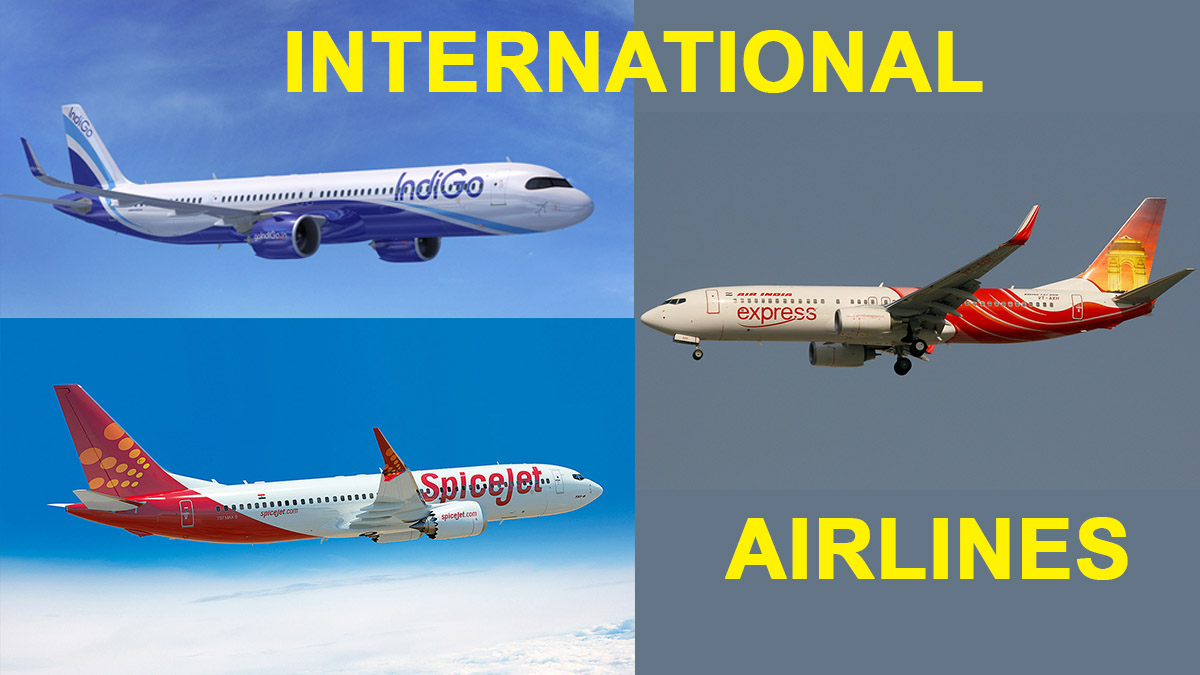
"From Jantar Mantar’s scripted 'anti-corruption' theatrics to Modi’s full-blown monopoly model, the arc is complete," Fernandes captioned the post, echoing Rathee's narrative. The video details how IndiGo's 65% market share, alongside Air India's 30%, has crushed competition, recalling a vibrant era of carriers like Jet Airways, SpiceJet, and Kingfisher.
Opposition Fires Salvos: "Ease of Doing Business or Cronyism?"
The DGCA has issued show-cause notices to Elbers and COO Isidro Porqueras, demanding explanations within 24 hours. IndiGo's board, meanwhile, activated a crisis management group led by Chairman Vikram Singh Mehta. The government capped fares on unaffected routes and deployed extra trains to ease the backlog, but stranded passengers like those at Ranchi's Birsa Munda Airport continue to seethe.
As IndiGo scrambles to hire crew and refund tickets, orders that must be completed by Monday, the episode underscores deeper woes in India's aviation boom: a near-oligopoly in which one carrier's stumble grounds a nation. For Fernandes and Rathee, it's a stark reminder that the "ensuing tragedy witnessed by us all in real time" isn't just logistical; it's a fallout of power consolidated in a few hands. With operations limping toward recovery, the question lingers: Will this "first blood" from electoral bond ghosts force real reform, or just more exemptions?
Source: The Hindu
From selecting the right drone to finding a course, our team can guide you through every step of your drone journey.