How to Become a Pilot After 12th in India?
A pilot does not just experience the thrill of flying but also considers the safety of the passengers in the aircraft. They are skilled individuals wi
Artificial intelligence (AI) is a force transforming industries worldwide. Its impact is profound in aviation. From improving safety to taming operational efficiency and uplifting the passenger experience, AI is transforming every aspect of the aviation industry. The value of the artificial intelligence market increased from USD 152.4 million in 2018 to USD 2,222.5 million by 2025. What is driving this upward trend? Let's have a look. This blog delves into AI's role in aviation, examining its applications, paybacks, challenges, and the future.
Incorporating AI in aviation marks an important technological evolution in the industry. AI-powered solutions are driving innovation at every stage of flight operations. AI alters airlines' functions, from automatic check-ins and personalized recommendations to predictive maintenance and autonomous flights.
Here are some ways that AI can be used in the Aviation Industry.
AI has done a great job improving the passenger experience. Chatbots with natural language processing can comprehend traveller queries and offer quick resolutions. Biometric screening smooths security checks and boarding processes. Robust flight search algorithms serve up the most relevant flight options and fares.
Sensors and predictive analytics track the condition of plane equipment. Any incongruities can be speedily flagged to enhance aircraft performance and tweak potential issues. Tailored in-flight entertainment can also be also offered, based on individual passenger preferences.
Smart luggage robots identify and transport baggage autonomously to the claim area upon landing. Travellers can then breeze through automated customs checks through biometric scanning.
AI predictive maintenance is transforming aviation maintenance. AI algorithms can identify patterns and anomalies by processing data from repair history, flight logs, pilot reports, and onboard sensors. Potential mechanical issues can be highlighted before they cause aircraft downtime. Some airline maintenance divisions are using AI visual recognition technology, too. Software can scan engine parts for defects. Damage that needs attention is directly reported to technicians.
AI automation also supports air traffic controllers. Flight data tools use neural networks to enhance aircraft separation and arrival sequencing. This lets controllers coordinate safe, effective routing and runways for planes even in congested airspace.
These AI systems also have cognitive competencies. They can understand intricate traffic scenarios and weather patterns. The AI can then endorse contingency plans to minimize delays and rerouting.
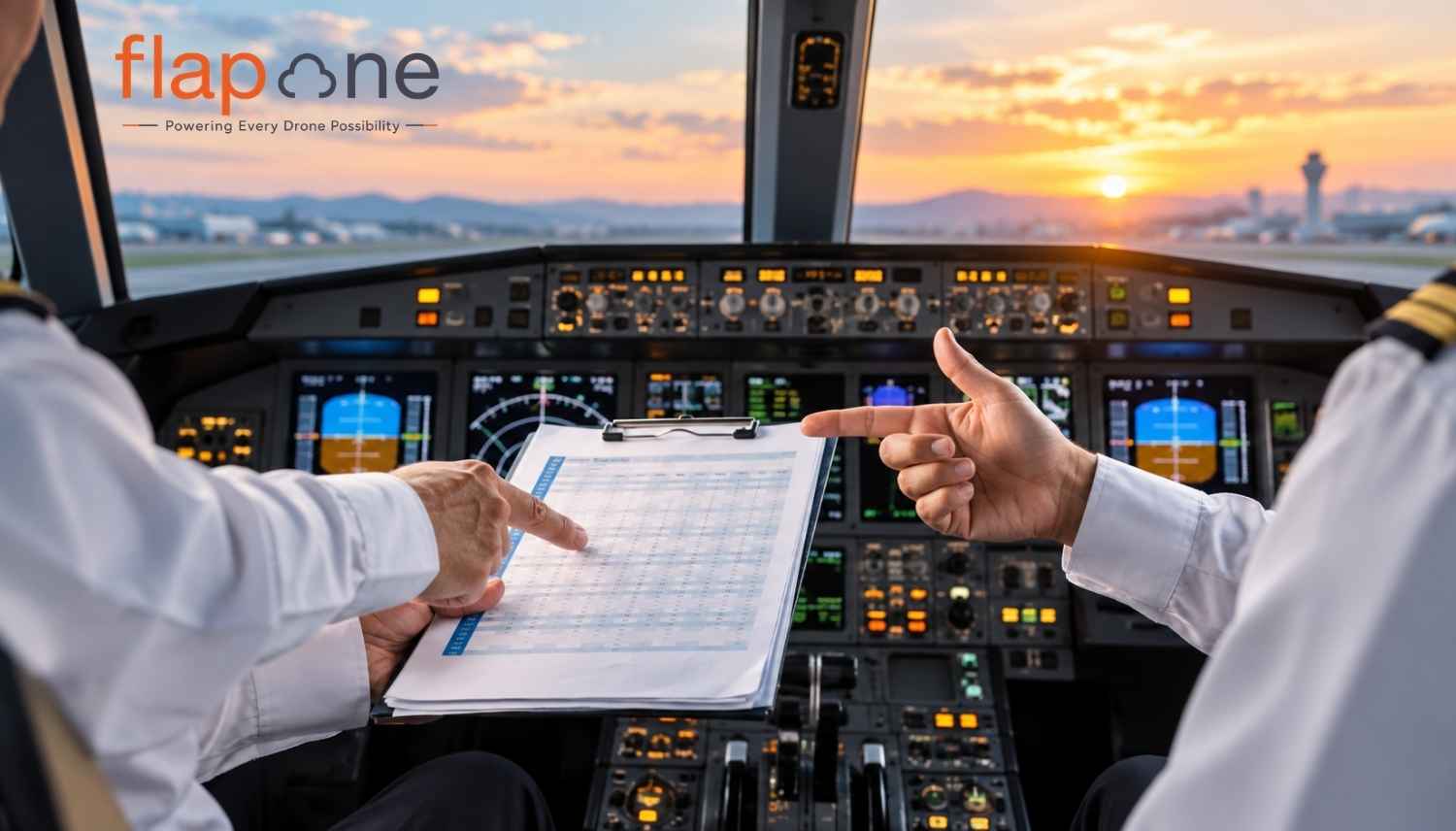
AI is also transforming the modern cockpit by assisting pilots with smarter decision-making and continuous monitoring. Advanced systems analyze flight patterns in real time, identifying unusual maneuvers or operational changes that could affect the aircraft. By processing data from engines, navigation systems, and onboard sensors, AI helps pilots maintain the optimal balance of thrust and lift, allowing the plane to operate more safely and efficiently. Intelligent co-pilot technologies can handle repetitive monitoring tasks, such as equipment diagnostics and system health checks, enabling pilots to focus on critical decisions during every stage of flight.
Modern AI neural networks are trained to interpret complex spatial information, weather conditions, terrain, and the aerodynamic performance of an aircraft. These systems can recommend or automatically make precise adjustments to wings, control surfaces, thrust, and navigation to improve stability and fuel efficiency. Although fully autonomous commercial planes remain a future goal, AI is already reshaping aviation by enhancing pilot awareness, improving operational safety, optimizing engines and flight performance, and supporting more intelligent cockpit operations without replacing the expertise of human pilots.
Here are some benefits of incorporating AI into the airlines,
Increased Efficiency
With AI optimization, airlines can offer smooth operations even with hiccups. For example, intelligent scheduling tools can automatically reorganize flight sequences or crews when delays arise. Predictive maintenance also decreases aircraft downtime and keeps more planes ready. And virtual assistants curtail delays by rapidly resolving passenger requests.
Enhanced Safety
Predictive algorithms identify potential issues, while risk monitoring AI aids pilots in evading perilous situations. Autonomous systems can take over the controls in pilot breakdowns. ATM AI decreases the risk of collisions in poor visibility.
Higher Revenue
Efficient operations and tailored service increase customer satisfaction, driving higher airline revenues. Furthermore, enhanced maintenance and flight plans decrease fuel costs. Airlines can then use these savings for competitive pricing.
Insight Discovery
AI's data mining competencies reveal game-changing insights from aviation data. Analysts can recognize cost-saving prospects, developing risks, and customer preferences to make smarter strategies.
Hyper-Personalization
AI could deliver a custom-made travel experience in the future. Virtual travel assistants will know distinct passenger preferences and advise flights and services. Airport facial recognition will allow an efficient curb-to-gate process.
Autonomous Aircraft
AI pilots could ultimately become a reality. As technology evolves, autonomous aircraft would allow self-flying air taxis. Autonomous cargo planes can also become a reality.
Human-AI Collaboration
Rather than replacing human pilots, AI will join forces in the cockpit. AI assistants can handle routine tasks and suggest actions in abnormal situations. However, problem-solving and critical thinking will remain the pilot's domain. This human-AI interaction will be key to future flight operations.
Predictive Analytics
AI's predictive abilities will grow more powerful as more flight data is generated. AI will foresee disruptions and maintenance needs further in advance. Analyzing behavioral patterns might predict passenger requirements and upcoming safety risks.
Aviation Job Evolution
With AI doing routine tasks, aviation jobs focus on innovation, problem-solving, and passenger relationships. New AI trainers and data scientists will also be hired to align these systems with aviation goals.
Integrating AI into the aviation industry pushes it towards unparalleled safety and efficiency. AI's impact is palpable, revolutionizing safety measures, optimizing flight routes, improving the passenger experience, and streamlining airport operations. However, AI's true potential in aviation is not yet fully realized. The advancement of technology will unlock unprecedented innovations and capabilities beyond our current imagination.
Despite challenges in acceptance, the aviation sector embraces this AI-driven future with eagerness and determination. So, prepare for a digital transformation. The journey ahead redefines the skies, offering a smoother, safer, and more exhilarating flight experience.
Undoubtedly, AI will be an integral part of the aviation industry, but the value of pilots will not be undermined at all. Even upon the integration of AI in aviation, the core decisions will be in the hands of the pilots. With India undergoing a pilot shortage, there is an increased need for pilots. If you want to become a pilot, you must be admitted to an aviation academy like Flapone Aviation and become aware of the theoretical and practical aspects. So, come to us and turn your dreams of becoming a pilot into a reality.
Artificial intelligence is transforming aviation through smarter data analysis, automation, and improved operational decision-making. Similar technologies are also expanding the capabilities of drones across industries. Explore FlapOne’s Drone Mapping and Surveying Services to understand data-driven aerial applications, and discover how Environmental Monitoring Drone Services can support the collection of aerial information for environmental assessment and monitoring activities.
From selecting the right drone to finding a course, our team can guide you through every step of your drone journey.