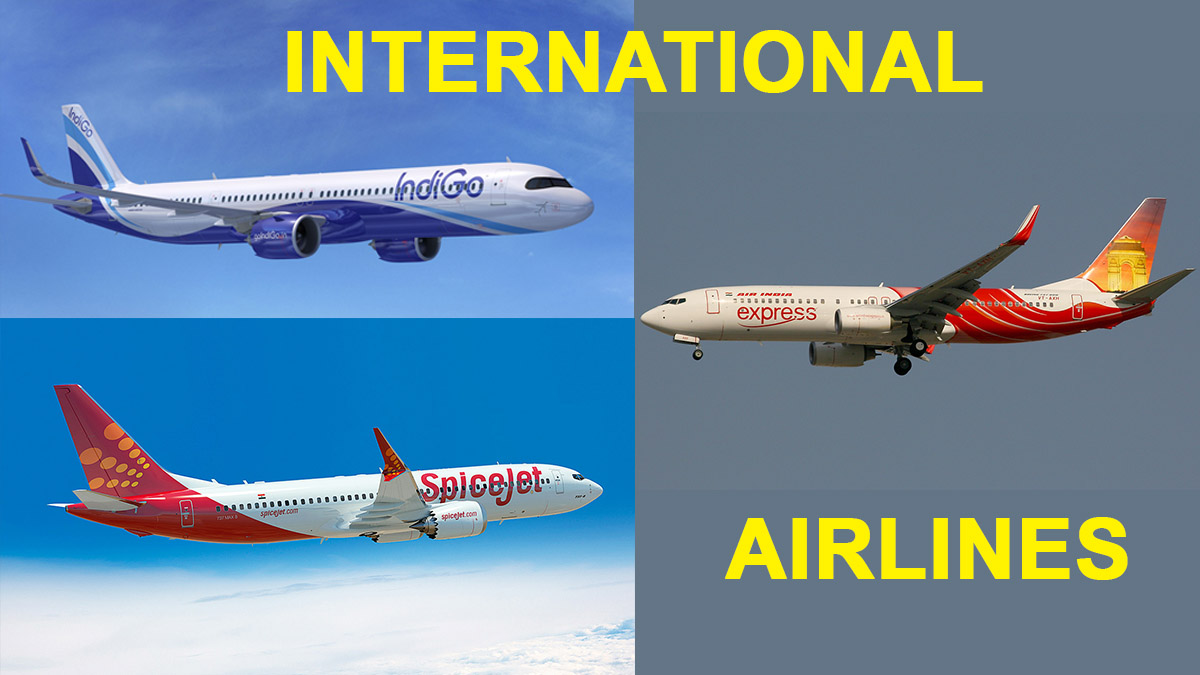
Indian Airlines Seeks Relief Amid Rising Costs
Air India and Indigo are advising the Indian government to reduce aviation fuel taxes and certain airport charges, as the Middle East conflict
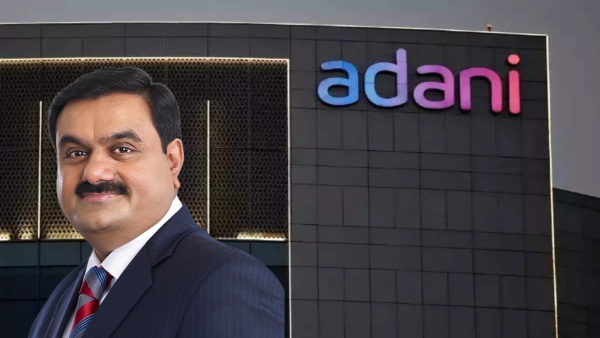

Adani Group is pushing the Union government to expand international flying rights, arguing that greater access is vital to drive traffic at the 8 airports it operates, where it is investing heavily in new terminals, runways, and passenger facilities.
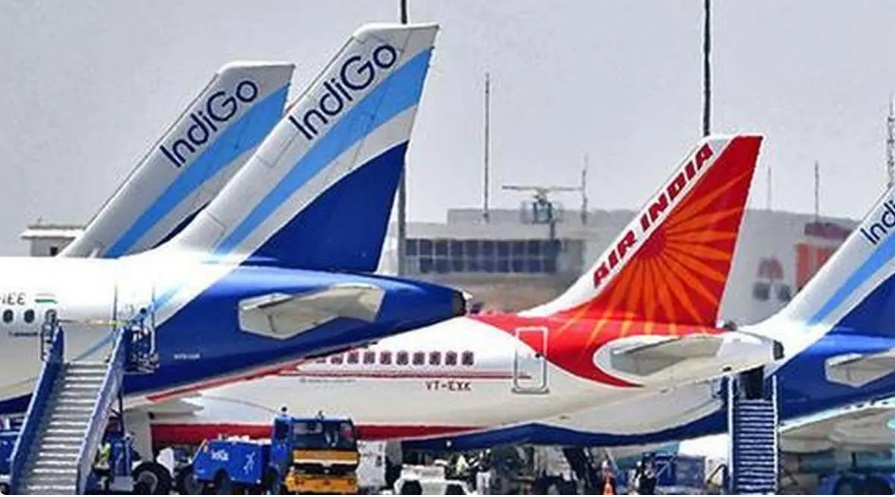
The push puts the infrastructure major at odds with India's two largest airlines, Tata Group-owned Air India and IndiGo, which have urged the government to move vigilantly on opening up air traffic rights to foreign carriers. Air India has warned that a fast liberalization could expose Indian airlines to unfair competition from West Asian carriers.
The government has been asked by Adani Airports Holdings to initiate negotiations with the UAE, Saudi Arabia, Qatar, Singapore, Indonesia, and Malaysia regarding the expansion of bilateral flying entitlements. The group, which started commercial operations at the Navi Mumbai airport on 25th December 2025, told the government last month that higher capacity would help Mumbai to become a global aviation hub.
Jeet Adani, director at Adani Airport Holdings, has said that the corporation will invest USD 11.1 billion in airport infrastructure by 2030, including terminals, runways, aircraft-handling facilities and passenger amenities.
An Adani Group official warned that restricting capacity would amount to "a criminal waste of assets" and hurt passengers through higher fares owing to limited flight options. The official added that turning Indian airports into global hubs needs broader access and passenger choice and should not hinge only on when domestic airlines feel ready to compete.
International flying rights are governed by reciprocal bilateral agreements. Since coming to power in 2014, successive Modi-led governments have accepted a conservative approach to expanding rights for foreign airlines, mainly those from West Asia. The stated objective is to shield Indian carriers and develop domestic transit hubs akin to Dubai or Singapore's Changi Airport.
India set a rule under the National Civil Aviation Policy of 2016 that further rights for foreign airlines would be considered only after Indian carriers had used a minimum of 80% of their existing entitlements.
Consequently, foreign airlines could not add capacity despite increasing demand, contributing to higher airfares. Seats on routes, for instance, Dubai, were last increased in 2014. While both Indian airlines and Gulf carriers like Emirates and flydubai have fully used their allocated rights, the government has not permitted further expansion.
The government’s hesitation stems from concerns that passengers could shift to Gulf airlines, which have large fleets of wide-body aircraft and can funnel Indian travellers to Europe and North America through hubs, for instance, Dubai, Abu Dhabi and Doha.
Campbell Wilson, the Air India CEO, recently said that, in some cases, over 70% of passengers carried by foreign airlines from India are transit travellers. He claimed that liberalization should advance at a pace that does not dent investments being made by Indian airlines.
Though this vigilant approach also risks underutilizing new airport infrastructure, particularly since Air India and IndiGo do not currently have aggressive international expansion plans to absorb the extra capacity being created at key Indian airports.
Source: Economic Times
From selecting the right drone to finding a course, our team can guide you through every step of your drone journey.