Other - News & Announcements

Stay informed with the latest updates, events, and developments from our training programs and drone/aviation services.

Indian Airlines Seeks Relief Amid Rising Costs
Air India Indigo

Indian Airlines Seeks Relief Amid Rising Costs

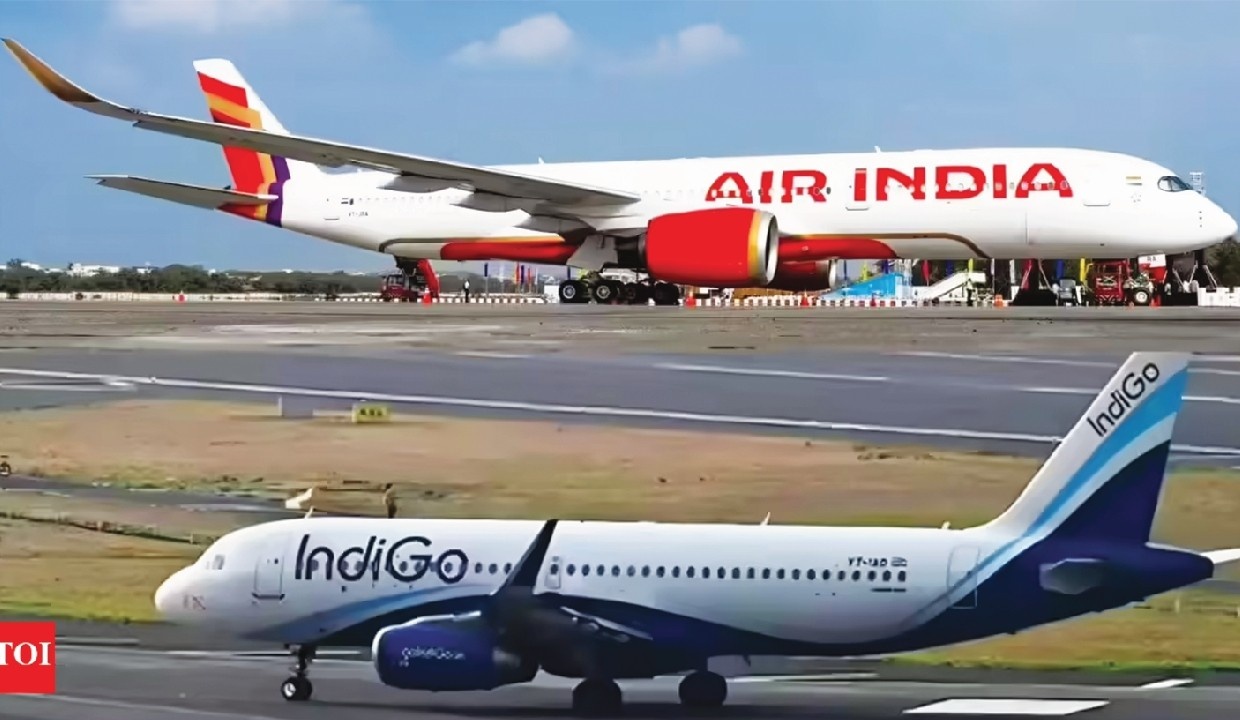
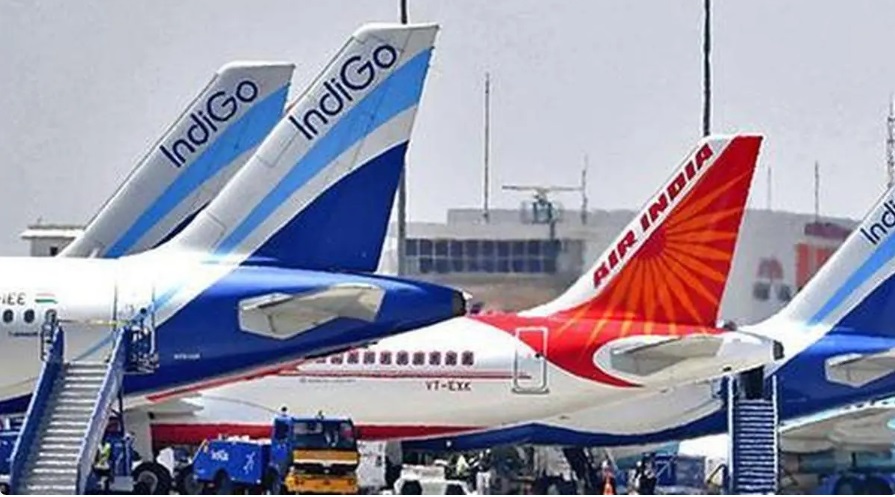
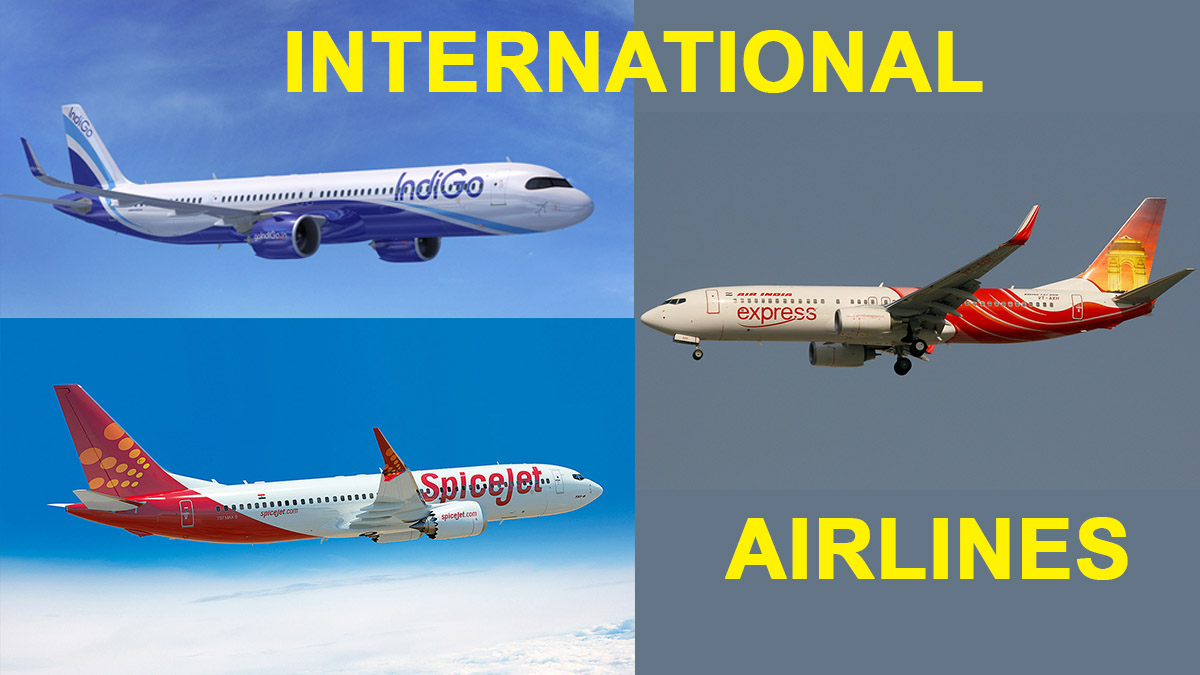
Air India and Indigo are advising the Indian government to reduce aviation fuel taxes and certain airport charges, as the Middle East conflict affects airline operations and increases costs. Both airlines are facing challenges due to Middle Eastern airspace restrictions, which have forced airlines to change their international routes. At the same time, Indian airlines can't use Pakistani airspace as a result of the ongoing diplomatic tensions between India and Pakistan. The combined restrictions have led to longer flight paths and higher fuel consumption. For example, IndiGo has been operating flights to the UK through routes that pass through Africa. At the same time, Air India has added stops on some flights to North America to manage operational constraints. As reported by industry sources, the airlines have requested that the government offer monetary relief, particularly through reductions in aviation-related taxes and charges. One important demand from IndiGo is a reduction in taxes on aviation turbine fuel, accounting for around 30 to 40% of airline operating costs. ATF in India currently attracts a federal tax of about 11%, along with additional state levies that can reach up to 29% in some regions. Airlines contend that reducing these taxes could ease monetary pressure throughout the current crisis. The carriers have also asked the government to justify charges at privately operated airports. Industry officials claim that some passenger-related fees at private airports are greater than those at government-run facilities, snowballing operating costs for airlines. Data from aviation analytics firm Cirium show that Indian airlines operated only about 64% of their scheduled flights to the Middle East, Europe and North America between February 28 and March 9 because of the conflict. Financial analysts warn that the crisis could place added strain on airline profitability. HSBC recently noted that the situation in the Middle East could create a burden on the cost structure and profitability of Indian airlines. In the meantime, Air India has requested that the government decrease taxes on premium economy tickets from 18% to 5%. The airline, owned by Tata Group and Singapore Airlines, has already projected that the Pakistan airspace ban could cost the carrier about USD 600 million per annum. Source: TravelBiz

Saheel Singh 16 Mar 2026
DGCA Allows Longer Pilot Duty Hours for Air India Amid the West Asia Crisis
DGCA Air India

DGCA Allows Longer Pilot Duty Hours for Air India Amid the West Asia Crisis

Since February 28, the DGCA has temporarily allowed extended flight duty time limits for some Air India international flights on longer routes due to the closure of Iranian and Iraqi airspace.  Israel and the US directed military strikes on Iran, igniting a fresh conflict in the Gulf two weeks ago. Most of the airspace in West Asia has remained closed to commercial flights.  In an internal operational circular issued on March 13, Air India informed its flight crew that the DGCA had granted a provisional exemption from the standard FDTL rules for managing disruptions caused by airspace closures.  The unavailability of Iranian and Iraqi airspace has led to the mandatory rerouting of certain long-haul flights, now operating via alternate corridors. This has led to longer sector times and required “a temporary FDTL extension for minimizing schedule disruptions and passenger inconvenience”. FDTL are rules prescribed by the DGCA that govern how long pilots can fly before mandatory rest is required. Air India said that the maximum permissible "flight time" for two-pilot operations has been increased by 1 hour 30 minutes, to 11 hours 30 minutes. Flight time is the period from when an aircraft takes off until it lands safely. The maximum "flight duty period," which includes pre-flight preparation, the flight itself and post-flight procedures, has been extended by 1 hour 45 minutes to 14 hours 45 minutes. A “temporary exemption from the 30-minute roster planning buffer requirement” has been granted on some flights. This is an additional margin airlines keep while scheduling crew, so that delays do not push pilots beyond their duty limits. Some mitigation measures will accompany the exemption, such as continuous monitoring and review with the DGCA, briefings for the crew on the changes and an additional rest period of 4 hours for pilots operating flights under the exemption, over and above the minimum rest required under DGCA rules. The exemption will apply only to certain flights, and the details will be communicated to crews through fleet-specific company NOTAMs. An Air India official said the airline will ensure pilots operating flights with extended flight times receive additional rest.  The president of the Federation of Indian Pilots said the union has written to the DGCA, raising concerns over the extension. The president said that the DGCA’s civil aviation requirements currently restrict flight time to 10 hours and the flight duty period to 12 hours for operations that include a single landing. This allows an additional 1 hour 30 minutes of flight time and 1 hour 45 minutes of duty period for two-pilot crews. Source: Business Standard

Saheel Singh 16 Mar 2026
DGCA Plans Stricter Norms for Foreign Airlines Operating in India
Foreign Carriers DGCA

DGCA Plans Stricter Norms for Foreign Airlines Operating in India

Stricter rules have been proposed for foreign airlines operating to and from India by the DGCA, such as mandatory digital registration on its e-governance portal, stronger legal accountability for local representatives, automatic suspension of unused airport permissions after continued inactivity and a formal passenger grievance reporting system. The DGCA, on 11th March 2026, issued a draft aeronautical information circular seeking to tighten oversight of foreign carriers flying into India. A main feature of the proposal is a shift to a digital-first compliance system through the eGovernance of Civil Aviation portal, the DGCA’s online platform used for licensing, approvals and regulatory filings. Under the projected framework, foreign airlines will need to obtain unique login credentials by uploading authenticated documents related to incorporation and operational approvals. Portal access will be initiated only after the regulator verifies the credentials and competence of the airline’s designated “local representative” in India. The draft circular recommends strengthening the role of the local representative. Under the proposed rules, the representative must be either an Indian national or a registered Indian entity and will be accountable for guaranteeing regulatory compliance on behalf of the airline. The proposal requires the representative to report any aviation incident to the DGCA within 4 hours, keep information on the eGCA portal up to date at all times and ensure that any change in representation is completed within the set deadlines. Notably, unlike the AIC issued in 2020, the proposed framework would hold the airline itself legally accountable for any lapses committed by its local representative.  “The airline shall be accountable for all acts or omissions done by the local representative in discharge of its errands assigned by the airline and shall immediately replace the local representative if, at any point in time, the airline or DGCA observes frequent lapses. The draft also presents “deemed suspension” of an airline’s authorization to operate to precise airports if those approvals remain unused for an extended period. Under the proposal, if a foreign carrier does not operate flights to a specific Indian airport for “four consecutive International Air Transport Association seasons”, DGCA may suspend that airport authorization. Also, as per the draft, foreign flights operating in India will be required to maintain a grievance register and submit regular reports to the DGCA. The DGCA has invited comments on the draft proposal until April 9, after which the DGCA will finalize the new compliance framework. Source: Business Standard

Saheel Singh 12 Mar 2026
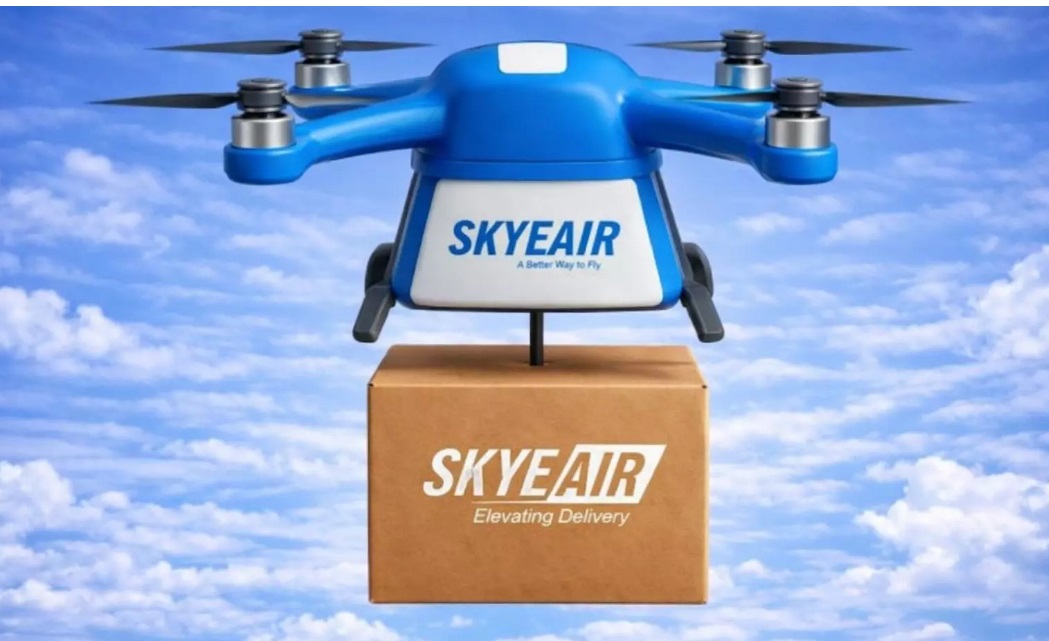
Skye Air Mobility Got USD 9 Million Funding to Scale Hyperlocal Drone Delivery Network
Skye Air Drone Delivery

Skye Air Mobility Got USD 9 Million Funding to Scale Hyperlocal Drone Delivery Network

Skye Air Mobility has raised USD 9 million in a Series B funding round led by IAN Alpha Fund. There was also participation from AVNM Ventures, Faad Capital, Bajaj Capital etc. The funding will be used by the company to expand its hyperlocal drone delivery network and strengthen its autonomous logistics infrastructure as it looks to scale operations across major cities. India’s last-mile logistics market reached USD 6.5 billion and is projected to grow to USD 24 billion by 2033, according to a market report. With mounting demand for faster and more effective deliveries, drone-enabled logistics is a promising solution. Skye Air Mobility is building a drone-based delivery network integrating autonomous drones with airspace management systems and ground-based logistics infrastructure. The company has completed over 3.6 million autonomous deliveries in just over 2 years, while eliminating more than 1,000 tonnes of CO2 emissions. Its drones can carry payloads of up to 10 kg, allowing use cases ranging from e-commerce and pharma deliveries to industrial supply chains. The CEO of Skye Air Mobility said that the capital will be used to deepen the physical AI stack and connect autonomous drones, intelligent airspace management through Skye UTM, and AI-powered ground robotics into a single, seamless delivery chain. A key component of Skye Air’s system is its network-driven delivery architecture, which integrates drones with ground logistics through a hub-pod-walker model designed for dense urban environments. The company also operates Skye UTM, an AI-powered aerial traffic management platform allowing coordinated drone operations across urban airspace. The company currently works with enterprise customers, including Blue Dart Express, Shiprocket, Flipkart, Tata 1MG, Zepto and Frido, across e-commerce, healthcare and supply chain logistics. With the new funding, Skye Air plans to expand beyond Delhi-NCR into Bengaluru, Mumbai, Pune, Hyderabad, and Kolkata, while further strengthening its drone operations and autonomous logistics technology. Source: Business Line

Saheel Singh 12 Mar 2026
Air India Hikes Airfares Amid Aviation Fuel Surge
Aviation Aviation Fuel

Air India Hikes Airfares Amid Aviation Fuel Surge

Due to a sharp rise in aviation fuel prices stemming from ongoing tensions among Iran, Israel, and the US, Air India has announced fare hikes for both international and domestic flights. The revised fares will take effect on March 12, according to the airline's statement. Implementation of the Fare Hike As stated by Air India, the fare increase will be implemented in three phases. The first phase will begin on March 12, covering domestic flights and numerous short-haul international routes. Increase in the Fares in the First Phase In the initial phase, domestic flight fares and flights to SAARC countries, such as Sri Lanka, Bangladesh, Pakistan, Afghanistan, Nepal and Bhutan, will surge by Rs 399. Flights to West Asia and the Middle East will see a fare hike of 10 USD. Tickets to Southeast Asian nations will increase by 20 USD, while flights to African countries will rise by 30 USD. What Changes Apply to Singapore flights? Flights functioning between India and Singapore previously did not include an aviation fuel surcharge. The airline has now stated that the surcharge will also apply to these services. When Will the Next Phase of Fare Hikes Take Effect? The second phase will be effective on March 18. Flights to Europe, North America and Australia will see an increase of 25 USD for Europe and 50 USD for North America and Australia. According to Air India, the third phase, covering flights to Japan, Hong Kong and South Korea, will be announced later. Source: India Today

Saheel Singh 11 Mar 2026
India Keeps Close Watch on West Asia Situation; Airlines Adjust Operations
Civil Aviation Ministry DGCA

India Keeps Close Watch on West Asia Situation; Airlines Adjust Operations

The Indian Civil Aviation Ministry is monitoring the situation in West Asia and its possible impact on air travel between India and other West Asian nations. The Minister of Civil Aviation is overseeing the situation and is in contact with airlines and other stakeholders to ensure coordinated and timely responses. As stated by the ministry, passenger safety and service remain top priorities as airlines make operational adjustments in light of the evolving situation. Operational data from March 9 displays that 45 inbound flights operated by Indian carriers arrived in India from West Asia, carrying 7,407 passengers. To allow safe and flexible flight operations, Indian carriers have sought operational flexibility. The DGCA has coordinated with the applicable authorities to assign supplementary arrival and departure slots. Airlines are also allowed to use Muscat International Airport as an alternate airport for flights to and from destinations for example Dubai, Abu Dhabi, Sharjah, Ras Al Khaimah, Al Ain, Fujairah, Jeddah, and Medina. Airlines have also planned to expand connectivity to the region. Air India and Air India Express will begin operating flights to Riyadh from March 12, while IndiGo will launch Mumbai–Riyadh–Mumbai services. SpiceJet has received approvals for alternate airports to uphold operational safety and flexibility. Akasa Air, which plans to begin Mumbai–Riyadh–Mumbai services from March 12, has been advised to align its launch with standard operational conditions. The ministry said it is maintaining regular coordination with airlines and other stakeholders to ensure orderly passenger movement. Airfares are also being closely monitored to avert any unreasonable increase in ticket prices throughout the period. Passengers should stay in contact with their respective airlines for updates regarding flight schedules and travel arrangements. The government said it will review the situation and issue further updates as necessary.   Source: DD News

Saheel Singh 11 Mar 2026
Ahmedabad Dreamliner Crash Report Likely by Year-End
Civil Aviation Ministry Civil Aviation Minister

Ahmedabad Dreamliner Crash Report Likely by Year-End

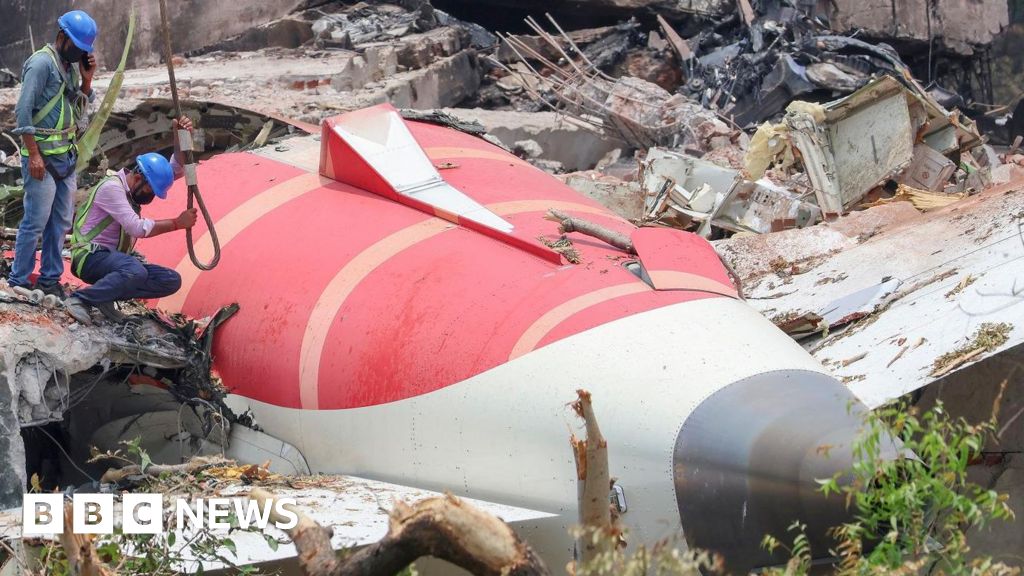
The Indian Civil Aviation Minister, K Rammohan Naidu, on 9th March 2026, informed the Rajya Sabha that the investigation into the crash of Air India flight AI171 is progressing well and that the investigation report will be released by the end of this year. Naidu said the government is offering all necessary support to the Aircraft Accident Investigation Bureau, conducting the investigation. The Boeing 787-8 aircraft, operating flight AI171 from Ahmedabad to London Gatwick, crashed soon after take-off on June 12, 2025, killing 260 people, including 241 passengers and crew. The AAIB is examining the accident. Responding to queries about the influence of tensions in West Asia on flight operations, Naidu said the DGCA immediately engaged with airlines and issued advisories to guarantee passenger safety. He said the DGCA held several meetings with airline executives to guarantee that flights to airports in the region operate only when "100% safety" can be guaranteed. Travel advisories have also been issued to avoid confusion, the minister added. Naidu said the Ministry of Civil Aviation is working with airlines to help bring back Indians stuck in West Asia amid the escalating conflict involving the US, Israel and Iran, which has led to extensive airspace closures across the region. As stated by the minister, about 90,000 passengers have travelled to India in the past week as airlines adjusted operations and secured flight slots despite the crisis-related disturbances. The minister also informed the house that the future Noida International Airport has received its aerodrome license from the DGCA and will be active in 45 days, after consultations with agencies including the Bureau of Civil Aviation Security and the Airports Authority of India. He added that the government is also planning a key inauguration event for the airport, which will further promote the project in UP. Speaking about the long-term growth of India's aviation industry as part of India’s development vision for 2047, Naidu said the government plans a notable expansion of airport infrastructure. Highlighting the sector's development, the minister said India's civil aviation industry is among the fastest-growing. Currently, about 5 lakh passengers travel domestically daily, while another 1 to 2 lakhs travel internationally. Apart from expanding airports, the government also wants to introduce seaplane operations and boost helicopter services in India. Addressing concerns about aviation safety, Naidu said the DGCA follows a "multi-tier, multi-level, thorough process" and adheres to ICAO safety standards, with strict enforcement mechanisms in place. He added that the DGCA has also strengthened oversight through digital initiatives. One such measure is the "Track by Tail" programme, under which every aircraft is digitally monitored and tracked electronically. The DGCA has also presented an additional layer of inspection through monitoring from its headquarters, allowing double verification of safety checks carried out across the industry. Naidu added that responses from stakeholders, such as the public, are also taken into consideration to further improve aviation safety norms and standards. Source: NDTV

Saheel Singh 10 Mar 2026
DGCA Enhances Monitoring of Airlines to Ensure Compliance with Norms
DGCA Civil Aviation Ministry

DGCA Enhances Monitoring of Airlines to Ensure Compliance with Norms

The civil aviation ministry on 9 th March 2026 said the DGCA has augmented monitoring of critical airline operations, with weekly and fortnightly checks, as well as bi-monthly visits by DGCA inspectors to airlines' offices to ensure compliance with regulations. Responding to an enquiry in the Rajya Sabha for the significant disruptions at IndiGo in December 2025 and action taken to avert recurrence of a similar situation in the future, Union Miinster Murlidhar Mohol said the key causes for the disruption were over-optimization of operations, insufficient regulatory preparedness accompanied by deficiencies in system software support and shortcomings in management structure and operational control on the part of the airline. "DGCA has presented more robust measures to guarantee compliance by airlines with regulations, including increased monitoring weekly and fortnightly for critical operations, together with bi-monthly visits to the operator by DGCA's principal point-of-contact inspector, to closely monitor the airline's operations, with specific emphasis on roster integrity, crew accessibility, buffer adequacy, system robustness and adherence to FDTL requirements. The Flight Duty Time Limitations norms are executed by the DGCA. In December 2025, IndiGo faced extensive operational disruptions, resulting in several flight cancellations and affecting many passengers. DGCA had also taken numerous regulatory actions against the airline. The Minister of State for Civil Aviation said that a total of 550 Level II repetitive findings, operator- and organization-wise, were identified by the DGCA from 2023-25, and 29 enforcement actions were taken. As of December 31, 2025, no Level-I shortages are pending for closure. A Level-I finding needs immediate attention and rectification and the closure timeline is 7 days, while a Level-II finding must be resolved within a month. "Continued operations are not permitted with a level-I finding without its rectification. Rarely, operations are permitted under controlled/restricted environments. In violations, DGCA initiates enforcement action. against the airline personnel, which might include a warning, suspension, or cancellation of approval, certificate, or license, or the imposition of a financial penalty. Source: Economic Times

Saheel Singh 10 Mar 2026
Noida International Airport Granted Aerodrome License
Noida Noida International Airport

Noida International Airport Granted Aerodrome License

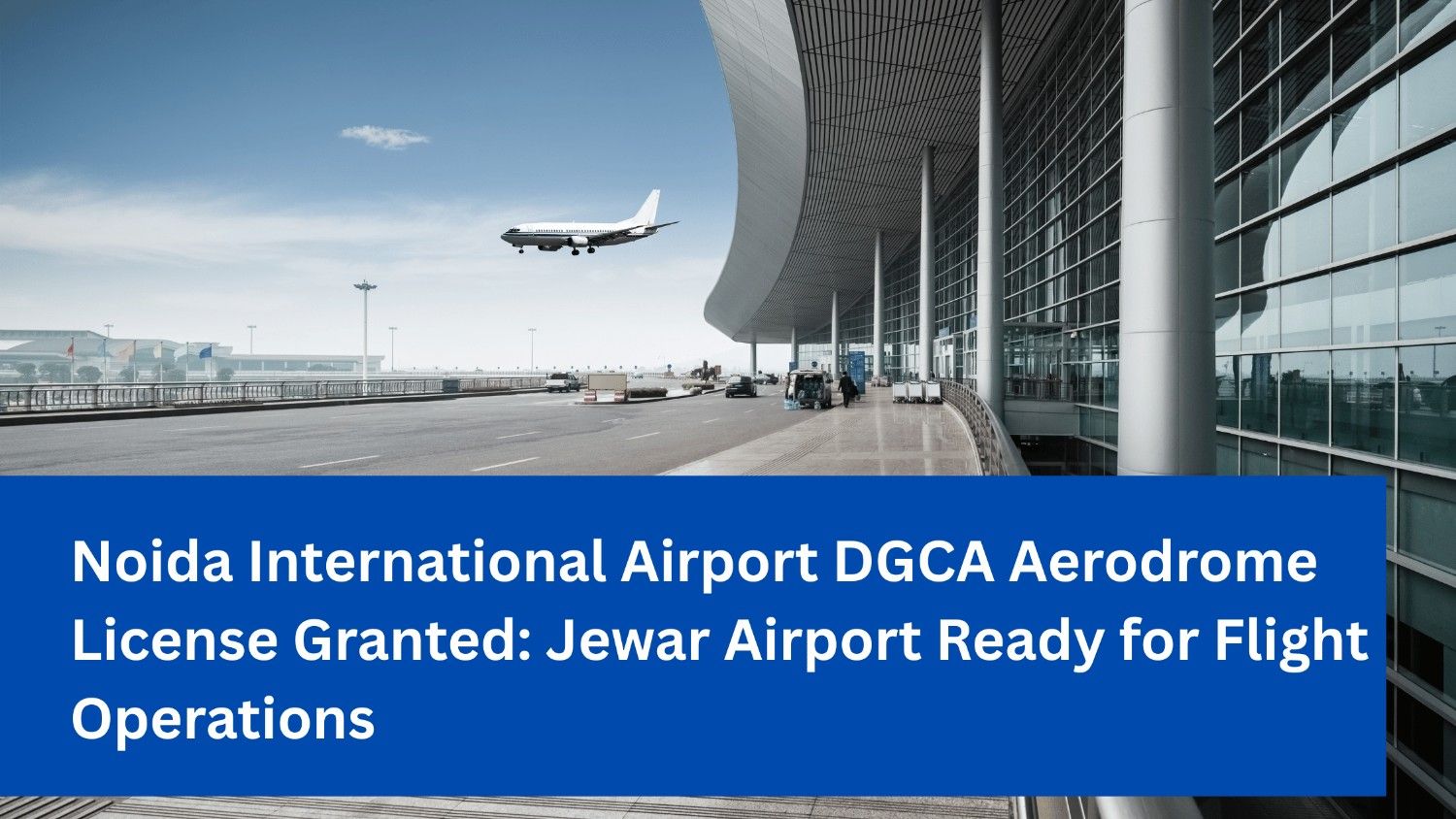
Noida International Airport has received its aerodrome license from the DGCA, paving the way for the beginning of commercial operations. The license was issued under Rule 78 of the Aircraft Rules, 1937. It approves that the airport fulfils regulatory requirements covering operational procedures, safety systems, infrastructure, navigation equipment and emergency response arrangements set out in the civil aviation authority’s regulations. The development follows a recent approval from the Bureau of Civil Aviation Security, which granted security clearance for domestic passenger services and domestic and international cargo operations. Airport officials said the approvals signify progress in preparations to start operations. Additional regulatory steps remain before commercial flights can commence. The airport’s Aerodrome Security Programme is under review by BCAS. Upon approval, the airport operator coordinates with government agencies, airlines and service providers to set a timetable for induction and the start of scheduled flights. Operational readiness activities are happening under the airport’s Operational Readiness Activation and Transition programme, which tests systems, procedures and staff preparedness before opening. One of the project's earlier milestones occurred in December 2024, when IndiGo conducted a validation flight on an Airbus A320. The flight-tested approach procedures, navigation systems and air traffic control operations at the airport. As stated by the airport operator, the key infrastructure required for operations has been completed. Contracts have been awarded for services such as ground handling, aviation fuel supply, cargo operations, in-flight catering, retail, food and beverage outlets, mobility services and the airport hotel. Communications and navigation systems are installed by the Airports Authority of India. Commercial operations will commence once the Aerodrome Security Programme has obtained approval from BCAS. Airline schedules and ticket sales will be announced closer to the launch date. More than a few carriers have already indicated plans to operate from the airport. IndiGo, Akasa Air, and Air India Express have confirmed their services, while discussions are continuing with other domestic and international airlines. Cargo operators are also in talks with the airport. The airport is situated near the Yamuna Expressway, connecting it to Noida, Greater Noida, Delhi, and Gurugram, as well as Agra, Mathura, and Vrindavan, which can be reached in about 2 hours by road. The Noida International Airport is developed in four phases. The initial phase comprises one runway and one passenger terminal intended to handle about 12 million passengers a year. Plans for later phases would increase capacity to about 70 million passengers annually. The project is developed by Yamuna International Airport Private Limited, a subsidiary of Zurich Airport International AG. The concession agreement for the airport began in October 2021 and runs for 40 years. Source: Hindustan Times

Saheel Singh 10 Mar 2026
DRDO's Ghatak Combat Drone Programme Gathers Pace; 60 Units Planned
Indegenous Drone Autonomous Drones

DRDO's Ghatak Combat Drone Programme Gathers Pace; 60 Units Planned

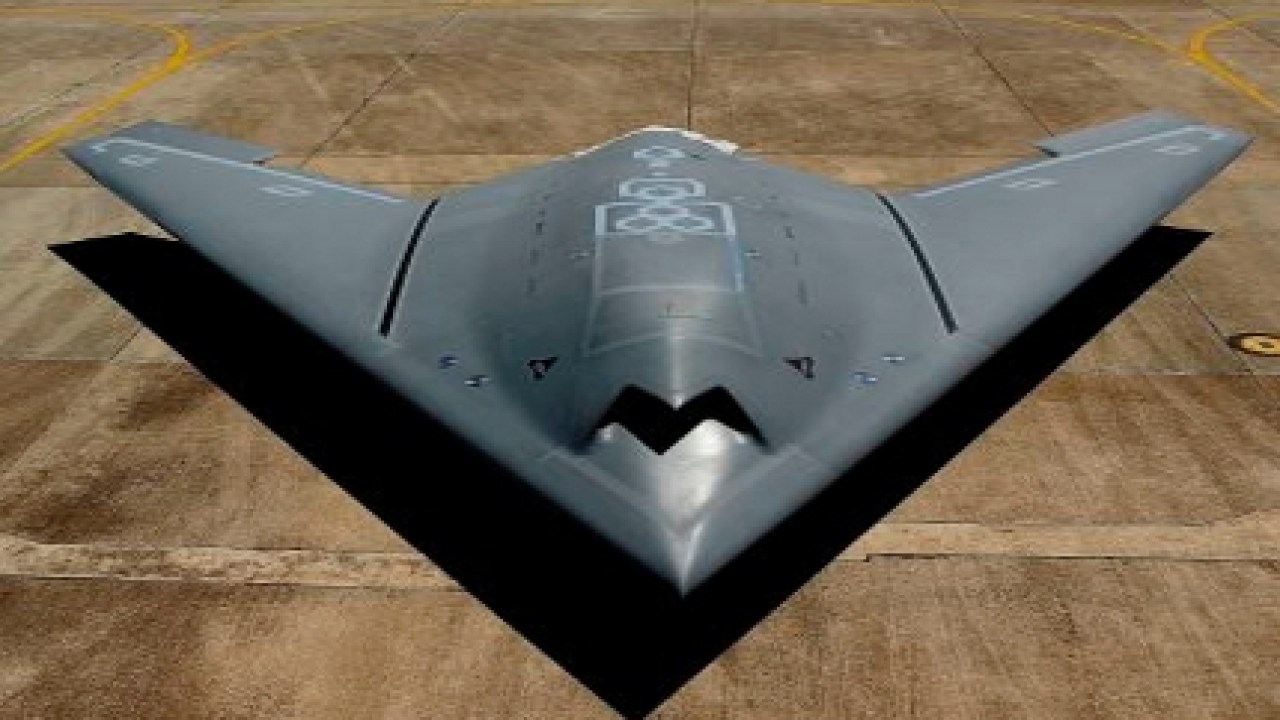
India’s indigenous stealth flying-wing combat drone programme received a boost, with the Defence Procurement Board of the Defence Ministry recommending that the proposal to procure 60 Ghatak combat drones, currently under development by DRDO, be approved. The programme is waiting for approval from the Defence Acquisition Council. Ghatak is a stealth drone, based on a flying-wing configuration. It is intended for low radar cross-section and internal weapon carriage. Once operational, Ghatak could participate in deep-strike missions to hit high-value targets without risking pilots' lives. Operating autonomously or alongside manned aircraft, it could also destroy enemy air defences, such as radar stations and missile systems and strike strategic infrastructure with precision-guided munitions. In November, while disclosing that the Indian Air Force had drawn up a technology and capability road map titled “Vision 2047”, Chief of the Air Staff A P Singh had said unmanned systems will not fully replace manned fighter jets in the near future. However, he emphasized that the Air Force fully backed the Ghatak UCAV programme. On December 15, 2023, DRDO conducted a flight trial of the “Autonomous Flying Wing Technology Demonstrator”, described in an official release as an indigenous high-speed flying-wing UAV. The demonstrator was a precursor to the Ghatak UCAV. The trial, carried out in a tailless configuration at the Aeronautical Test Range in Karnataka’s Chitradurga, was described as marking India’s entry into an “elite club of states to have mastered the controls for the flying-wing technology”. The drone, designed and developed by DRDO’s Aeronautical Development Establishment, also demonstrated autonomous landing without the requirement for ground radars, infrastructure or pilot intervention, allowing takeoff and landing from any runway with surveyed coordinates. The drone’s maiden flight took place in July 2022. The prototype is made of an indigenously developed carbon composite material, with the structure laden with sensors for health monitoring. Source: Business Standard

Saheel Singh 10 Mar 2026
AVATAAR: India’s Drone That Flies in the Air and Dives Underwater
AquaAirX Autonomous Systems Bengaluru

AVATAAR: India’s Drone That Flies in the Air and Dives Underwater

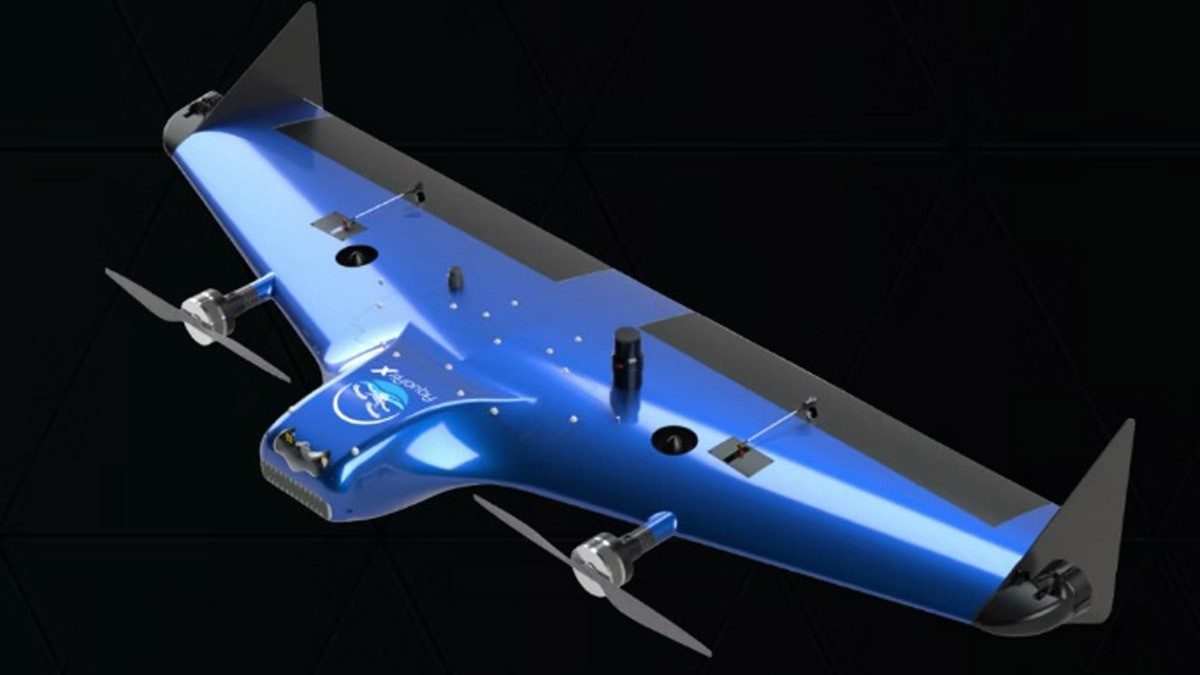
AquaAirX Autonomous Systems, a Bengaluru-based deep-tech startup, has developed a drone that can operate in both air and water. The drone is called AVATAAR and is intended for surveillance and defence-related missions. The company wants to build autonomous machines capable of operating in oceans, rivers and coastal areas. The company came into the limelight recently after raising INR 12.5 crore in a seed funding round. It received the funding from Rainmatter, Zerodha's investment arm. Rainmatter generally supports new technology-driven ideas and startups developing advanced solutions. Drone in Air and Underwater The drone is different from others because it can move between land and water. It can take off like a quadcopter and fly to the mission's location. After reaching the water surface, it can land and then immerse itself to perform underwater tasks. This makes it very useful for monitoring coastal areas and the ocean. It can monitor the happenings above and below the water. The drone can smoothly switch between air and water operations without any external help. The drone has also reached Technology Readiness Level 6, meaning the drone's full working prototype has already been tested in real-world conditions. It shows the machine's transition from lab testing to practical use. Protection Features of the Drone It is not easy to work underwater because seawater can damage equipment. To cope with this issue, the drone is built from rust-resistant carbon fibre. The drone also has special coatings to protect its sensors and electronic systems from salt deposits and underwater debris. It also has a special system that helps it move underwater. This system can create 3D maps of objects underwater.  Consequently, operators can easily inspect pipelines, cables, and other underwater structures. Defence and Rescue Missions The AVATAAR drone can be used for various missions by the armed forces and other agencies. Surveillance is one of its important roles. The drone can monitor ports and berths to find possible threats. It can also be useful for precision loitering and target-acquisition missions. It can also inspect underwater platforms, pipelines, cables and other assets while collecting autonomous data. Alongside defence work, the drone can also assist in search-and-rescue missions. It can help locate people or objects in complex surface and underwater environments. The drone can also support intelligence, surveillance and reconnaissance. In these missions, the drone can provide instantaneous information throughout littoral and near-shore operations. Source: The Defense Post

Saheel Singh 10 Mar 2026
Aviation Sector Loss to Fall to Rs 110-120 billion: ICRA
Aviation Industry Indigo

Aviation Sector Loss to Fall to Rs 110-120 billion: ICRA

The industry's net loss will fall to Rs 110-120 billion in 2026-27 from Rs 170-180 billion in 2025-26. While the 2025-26 losses are higher than the Rs 55 billion loss in 2024-25, the projected improvement is determined by the normalization of flight operations and a steady growth in passenger demand. As stated by ICRA, domestic air passenger traffic will be anywhere between 175 million and 179 million in 2026-27. There was modest growth in 2025-26, during which estimates ranged from 0% to 3% because of several external disruptions. There was a net loss of Rs 170-180 billion in 2025-26 to the aviation industry, higher than the estimated figure of around Rs 55 billion in 2024-25. Though it will go down to Rs 110-120 billion in 2026-27, all thanks to growth in domestic air passenger traffic and the normalization of operations following disruptions in 2025-26, leading to flight cancellations and refunds. The industry's debt metric, which faded in 2025-26 with an estimated interest cover of 0.7-0.9 times from 1.8 times in 2024-25, will improve to 1.3-1.5 times in 2026-27, despite growing debt linked with new aircraft deliveries." The current year faced headwinds from cross-border growth, weather disruptions and travel hesitancy following an aircraft accident in June 2025. Furthermore, the increased US tariffs and operational disruptions at IndiGo impacted the aviation industry in India. While there are challenges, international traffic for Indian carriers is on the rise, with 7-9%   growth for 2025-26 and 8-10% for 2026-27. With regard to fleet health, "Engine failures and supply chain challenges have brought about the grounding of 20-22% of the total industry fleet as of September 2023. The same has reduced to 13-15% as of February 2026, corresponding to 117 aircraft". As grounded aircraft numbers decrease and fresh supply enters the market, the industry will have a more stable equilibrium between supply and demand. After December 31, 2025, the total industry fleet stood at 865 aircraft, with over 1,700 aircraft pending delivery over the next decade. Source: Economic Times

Saheel Singh 06 Mar 2026
Indian Airlines Hit Hard as the Middle East Conflict Grounds Global Aviation
Indian Airlines Aviation Crisis

Indian Airlines Hit Hard as the Middle East Conflict Grounds Global Aviation

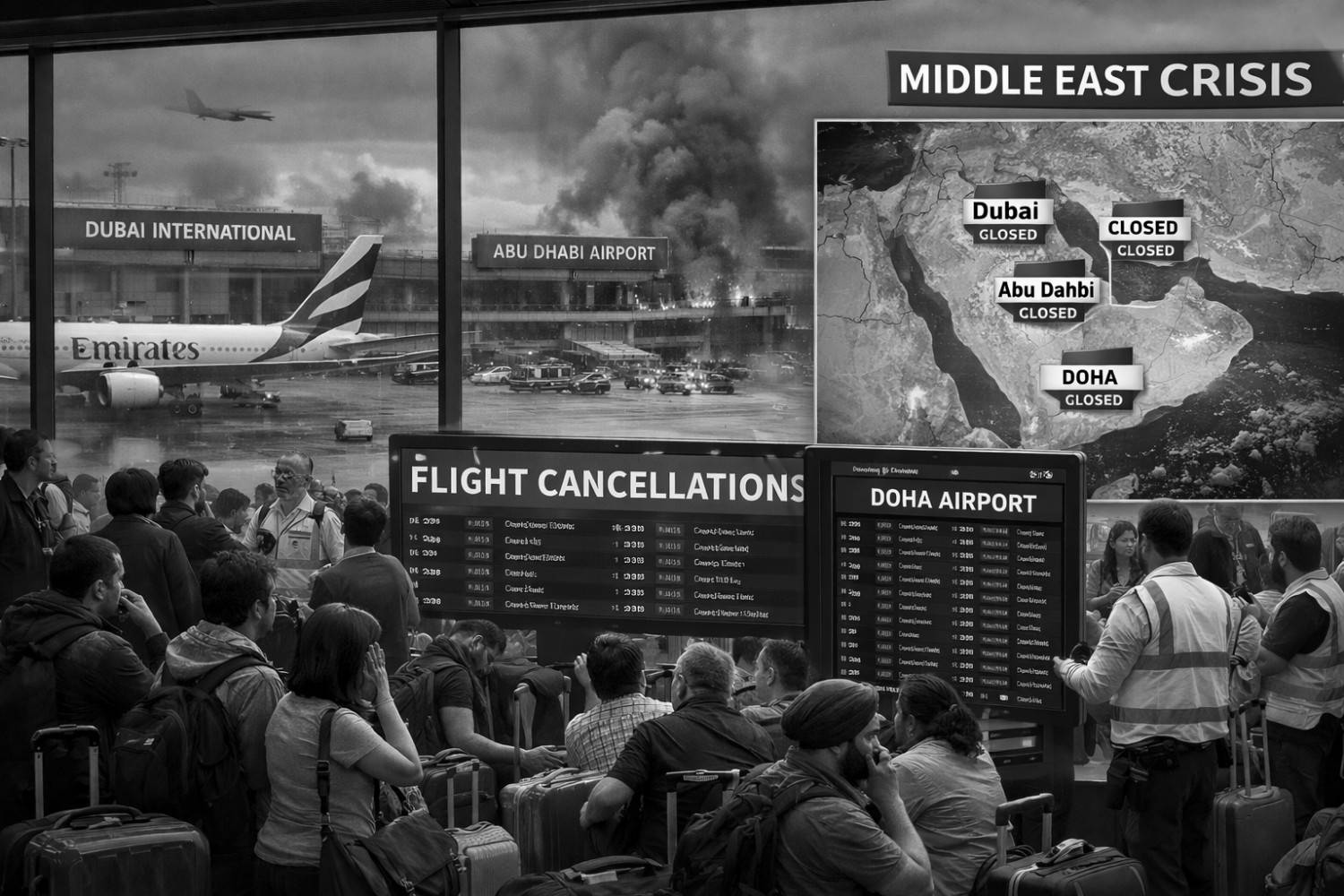
Massive aviation disruptions instigated by the conflict between Iran, the US and Israel have led to over 23,000 global flight cancellations and costs over USD 1 billion, such as fuel, rerouting and revenue impacts. Indian airlines that are profoundly dependent on Gulf routes for passenger traffic have also been significantly affected.   In the initial days, DGCA had directed airlines to avoid airspace over Tehran, Tel Aviv, Beirut, Jeddah, Bahrain, Muscat, Baghdad, Amman, Kuwait, the UAE and Doha until early March, leading to extensive suspensions. Indian Ministry of Civil Aviation figures quote 1,221 Indian flights cancelled from early March. Hundreds of flights are being affected daily on major routes, including Dubai, Abu Dhabi and Sharjah in the UAE; Doha in Qatar; Jeddah, Riyadh and Dammam in Saudi Arabia; Muscat in Oman and Tel Aviv in Israel. How Indian Airlines are Coping with Gulf Aviation Disruptions Air India initially suspended all flights to and from the UAE, Saudi Arabia, Qatar, and Israel until March 2–3, with extensions in phases to March 5.   It is also operating limited repatriation or special flights from Dubai and Jeddah to bring stuck passengers home. The airline is providing free rescheduling or full refunds for bookings made on or before 28 February for travel up to 5 March. Some European routes, for example, London and Amsterdam, are also affected or rerouted. IndiGo has been the hardest hit, as it usually operates about 65 daily round-trip flights on Gulf routes. The airline cancelled more than 500 Middle East and select international flights from February 28 to March 3, reportedly up to 162 on March 3 alone. Services to the UAE, Qatar and Saudi Arabia were suspended and flexibility and waivers have been extended to March 7 for affected bookings. It is also operating relief flights from Jeddah to Ahmedabad for stranded Indians, along with on other routes. Routes from Indian cities to Doha, Dubai and Abu Dhabi are heavily impacted. Air India Express deferred its whole Gulf schedule until about March 1, including services to the Gulf countries. About 55 flights were cancelled, nearly half of its about 110 daily Gulf flights. It is also offering free rescheduling or full refunds for bookings made up to February 28 for travel through March 5. SpiceJet has cancelled flights to the UAE and other Gulf hubs. Many Indian workers in the Gulf have been affected. Airport congestion was seen in Delhi, Mumbai, Bengaluru and Chennai, with more than 250 international flights cancelled. Global Aviation Chaos Due to the Iran–Israel–US Conflict According to Cirium analytics, over half of the 36,000 scheduled flights in the region were affected by international operators. Revenue losses in the initial days could reach up to $2.6 billion. Airspace closures or restrictions have mainly affected Iran, Iraq, Israel and Jordan. Flight cancellations in Bahrain reached 97% on some of the initial days of the conflict, while in Qatar they were as high as 86% and in Kuwait 81%. The UAE saw cancellation rates of up to 81% on some days, with major global aviation hubs, for example, Dubai and Abu Dhabi, among the hardest hit. Partial restrictions were imposed on Saudi Arabia, Oman, Syria and Lebanon. Major Global Airlines Affected by Disruptions The UAE’s Emirates has extended the full postponement of flights to and from Dubai through at least 7 March. It is mostly operating limited repatriation and cargo flights. Emirates is among the most affected airlines, with many daily cancellations, including at least 338 in recent weeks. Qatar Airways has deferred services to and from Doha, extending the halt into early March, with high cancellation rates in Qatari airspace. Etihad Airways has suspended all commercial flights until at least 6 March, with only some repatriation flights operating. The UAE low-cost carrier flydubai is also affected by suspensions, while smaller carriers, for example, Flynas, have cancelled routes to affected hubs, such as Dubai and Riyadh. United Airlines has cancelled US–Tel Aviv–Dubai routes, while Cathay Pacific from Hong Kong paused services to Dubai and Riyadh until 14 March. Air France has deferred flights to and from Tel Aviv, Beirut, Dubai and Riyadh through early March. British Airways has cancelled flights to Tel Aviv and Bahrain, and affected Gulf routes, such as Dubai, Doha and Abu Dhabi, for more than a few days. Japan Airlines has postponed Tokyo–Doha routes through mid-March and various European and Asian carriers have issued similar suspensions or waivers. Source: WION

Saheel Singh 06 Mar 2026
Vice President of India Launches the Drone Designed by Garuda Aerospace
India Vice President Of India

Vice President of India Launches the Drone Designed by Garuda Aerospace

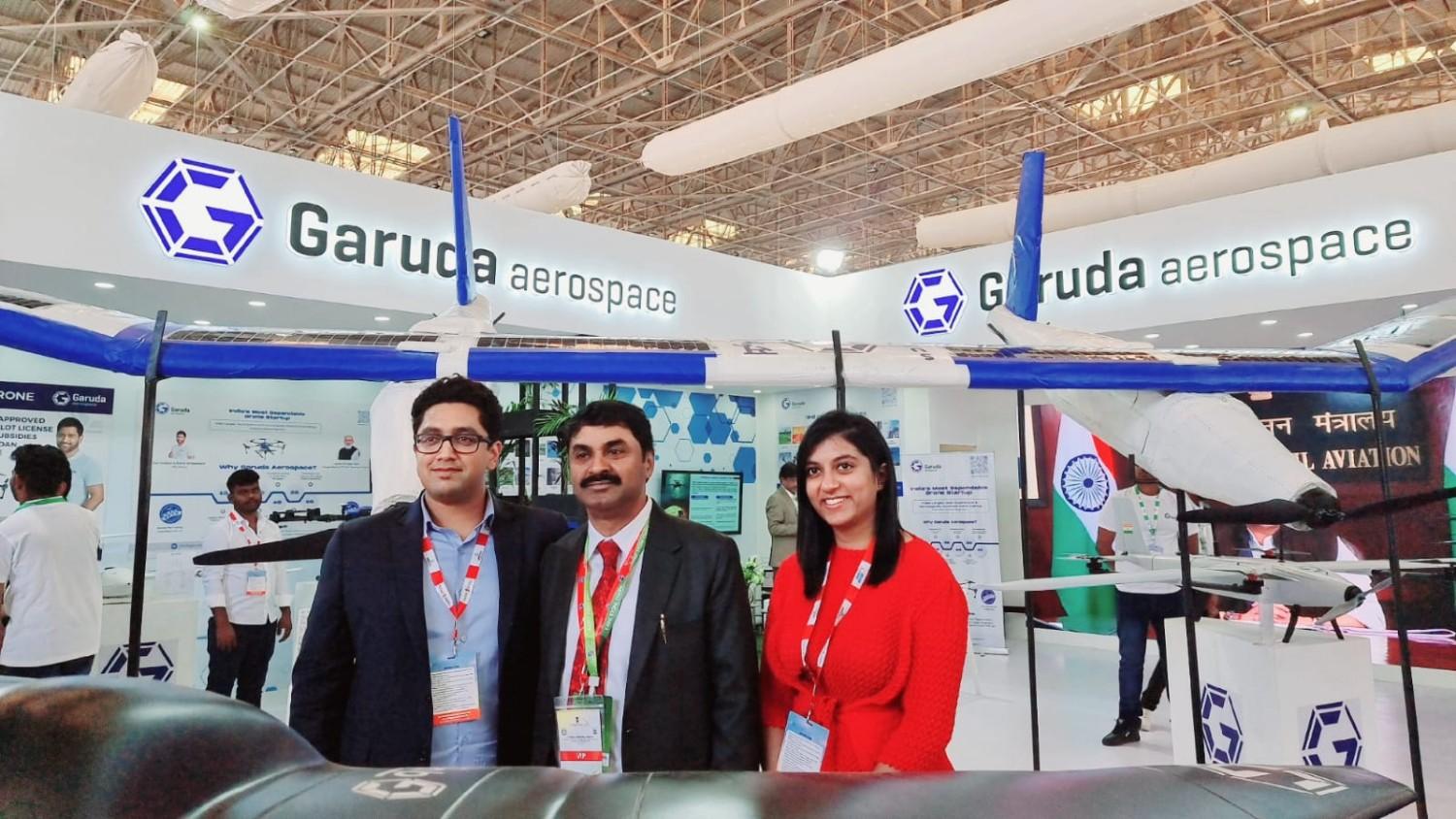
The Indian Vice President, C.P. Radhakrishnan, has revealed the drone designed precisely for Drone Aided Elephant Darting by Garuda Aerospace, marking a substantial achievement in the use of ‘Made in India’ drones in wildlife conservation and human-wildlife conflict resolution situations. The launch ceremony was held in the presence of the Governor of Kerala, Rajendra Vishwanath Arlekar and the Union Minister, Suresh Gopi. The drone is designed to support the elephant darting process by facilitating aerial-assisted tranquilization with greater accuracy. This not only reduces risks to forest personnel on the ground but also minimizes interference with the elephants in dangerous situations. Garuda Aerospace designed this drone for the Tamil Nadu Forest Department almost 10 years ago. Since then, there has been continuous improvement through innovation to meet the Forest Department's requirements. The latest version of this designed drone is the zenith of this constant process of improvement and upgrade to suit the requirements of the Forest Department. Garuda Aerospace has previously provided more than a few drones to prominent conservation organizations such as the World Wildlife Fund and several Forest Departments across India. Due to the increasing human-elephant conflicts, the government of India continues to seek answers to this problem. Drone-assisted elephant darting offers a more effective, competent and humane solution to this problem. This drone is evidence of Garuda Aerospace’s dedication to using drones for a cause, for serving the nation, to serve the community and to serve the greater good in wildlife conservation, disaster management, agri-industries and the military. Garuda Aerospace is India’s leading Drone tech start-up, disrupting two major multi-billion-dollar sectors: precision agriculture tech and Industry 4.0 upgradation. Garuda Aerospace is asset-light, recession-proof and agnostic and focuses on eliminating labourers in the agricultural field with drones, designing, building and customizing drones. Source: BIS Infotech

Saheel Singh 06 Mar 2026
India Develops Autonomous Swarm Interceptor 'YAMA' to Counter Drone Attacks
Defence Drones Drone Defence

India Develops Autonomous Swarm Interceptor 'YAMA' to Counter Drone Attacks

With drones reshaping modern warfare worldwide, India has developed an advanced autonomous swarm interceptor, YAMA. The system is made by the private defence company Flying Wedge Defence and Aerospace, which has successfully conducted the first test of India's first autonomous swarm interceptor under its FWD programme. Drones have done a work of note on modern battlefields. From the ongoing tensions between Iran and the US-Israel bloc to the conflict between Russia and Ukraine, along with last year's military battle between India and Pakistan, drones were key in surveillance and strikes. This has powered the global demand for anti-drone technologies to new highs. During the Iran, US-Israel confrontation, a key development was that an Iranian drone worth 20,000 dollars evaded a 4-million-dollar US Patriot interceptor. This signalled that future wars might well be decided by who has the more effective and affordable anti-drone defence, rather than just by high-value missile systems. Private Indian Defence Firm Tests 'YAMA' Successfully Concentrating on this fast-changing nature of warfare, Bengaluru-based private defence firm Flying Wedge Defence and Aerospace has successfully tested India's first autonomous swarm interceptor. The company has named the interceptor 'YAMA', inspired by the mythological figure Yamaraj. This marks a milestone in India’s defence ecosystem, mainly in the growing participation of private companies in the expansion of high-end military technology. Key features of the 'YAMA' interceptor The 'YAMA' interceptor is specifically designed to neutralize flying warheads and hostile drone swarms. With a cost of just under $10,000 per unit, 'YAMA' offers interception capabilities at up to 100 times the cost of conventional systems. A video has also been released of the successful trial, showing 'YAMA' intercepting drone swarms with precision and destroying them in the air itself.   The officials are of the opinion that this performance demonstrates that low-cost, high-efficiency interception can greatly reinforce India's air defence architecture. Source: India TV

Saheel Singh 06 Mar 2026
Singapore’s Thakral Group to Manufacture Drone Components in India
Singapore Thakral Corporation

Singapore’s Thakral Group to Manufacture Drone Components in India

Singapore’s Thakral Corporation would commence in-house manufacturing of drone components in May, because of the market's growth potential of USD 11 billion by the end of this decade, up from USD 500 million in 2024. To expand in the enterprise drone space and meet rising demand for industrial and commercial drones, it is exploring the manufacturing of enterprise-grade and specialized drones in India. The Group said it can capture growth in the agricultural drone segment through Bharat Skytech, one of its subsidiaries, which manufactures and supplies drone components to domestic producers. Thakral has a tie-up with the DJI Group   With expansion in mind, Thakral plans to open 20-30 DJI retail stores across India and other South Asian nations in the next 2-3 years, including flagship stores in major cities, starting in 1H2026. The group is capitalizing on India’s drone ecosystem and cited an industry report projecting the country’s drone market to grow from USD 500 million in FY2024 to USD 11 billion by FY2030.   Being the official distributor of Nespresso in India, the company continues to expand the brand’s presence by opening its second boutique at Ambience Mall, Gurugram, in March 2026. Other boutiques and pop-up stores are planned for Mumbai and Bengaluru later this year. These initiatives will further strengthen brand reach and drive revenue growth, said Thakral. Thakral is also driving long-term growth with real estate and healthcare in India The Group has been involved in a 21-acre mixed-use healthcare-led development site in Gurugram, part of the National Capital Region, since 2024. The site, with more than 2.5 million sq. ft. of development potential, will include a hospital, a health and wellness centre, and residential components. Through this initiative, it will establish a mix of recurring income and development revenue. The Group was in advanced discussions with a Tier 1 hospital operator and residential development partners to mitigate operational risks and manage project costs. Considering the scale of the project and its location in a high-growth corridor in the NCR, the Group saw long-term value-creation potential as development progressed. Thakral reported unaudited results for the year ended Dec 31, 2025. Revenue rose 42% year-on-year to SGD 411.3 million, and net profit increased fivefold to an all-time high of SGD 170.9 million. Source: The Tribune

Saheel Singh 27 Feb 2026
Uber Air Taxi will be Launched; Booking will be done through Mobile Application
Air Taxis Uber

Uber Air Taxi will be Launched; Booking will be done through Mobile Application

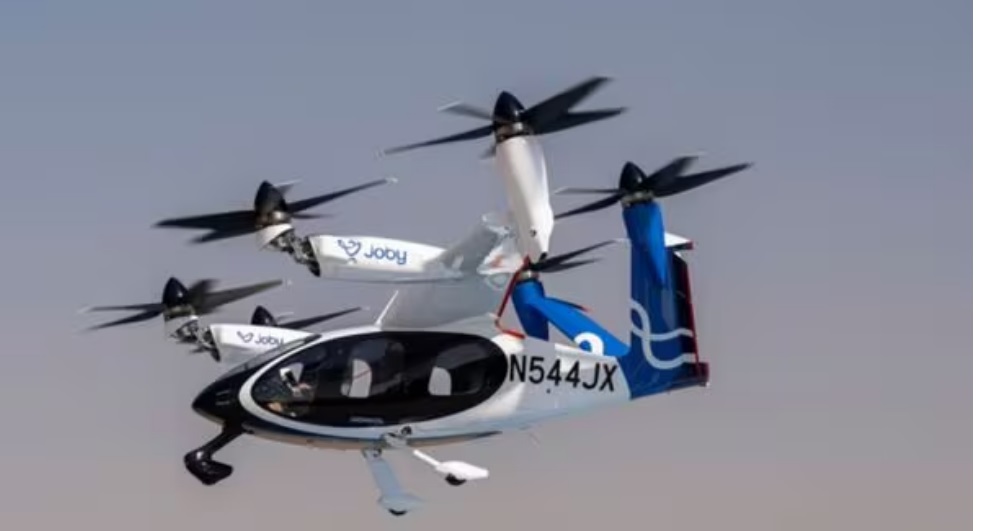
  Think, you take out your mobile phone to book a cab, open the application, and there you see two options. One traditional taxi and the other one, an air taxi. Yes, Dubai is going to make this dream a reality, where the taxi will not run only on roads but also in the air.   So far, getting stuck in traffic has been unavoidable, but it might not be in the near future, as your usual Uber app for cab booking will now offer air taxis as well.   In fact, electric air taxis are set to start in Dubai by the end of this year, and passengers could book them directly through a mobile app. What stands out is that this facility will be provided by the famous ride-hailing application, Uber. So, now, along with a traditional taxi running on the road, there will be an option for an air taxi, all in a single application.   How Will the Air Taxi be Booked Through the Application?   Booking an air taxi will be just like booking a normal taxi. You open the application, fill in your destination and if air travel is possible on that route, then the option for an air taxi will automatically become visible. Initially, you will be taken to a take-off point by road, then there will be air travel, and after landing, you will be taken to the final destination again via road. This means you will do the entire journey on a single ticket and through a single application.   This air taxi will be fully electric and carry four passengers. Every flight will be piloted by a licensed commercial pilot to ensure safety. The cabin will have comfortable seats and large windows, so passengers can enjoy the enthralling views of Dubai from the sky during the flight. This air taxi has six propellers, which help in the straight takeoff and landing.   This will be just like a modern eVTOL aircraft. If required, this taxi can fly forward. The taxi's maximum speed will be around 321 km/h, and it can travel up to 160 kilometres on a single charge. To make travel within the city safe, many distinct security systems are also installed in the air taxi.   The operation of this air taxi might start this year only. This will also serve as a boost to Dubai’s multi-model transport system, linking the land to the sky. The air mobility prospects that have been worked on for decades can now become part of people's daily lives. The goal is to formulate a transport system that enables short-distance travel in high-traffic areas. Source: Aaj Tak

Saheel Singh 27 Feb 2026
DGCA Makes Air Ticket Refund Rules Passenger-Friendly
DGCA Rules Ministry Of Civil Aviation

DGCA Makes Air Ticket Refund Rules Passenger-Friendly

The new, more transparent airline ticket refunds are under new rules issued by the Ministry of Civil Aviation, which will greatly benefit Indian air passengers. These new rules allow passengers to cancel or change air tickets without paying anything extra within 48 hours of booking, subject to certain conditions, as the DGCA revised the ticket refund norms for airlines. As stated by the DGCA, any additional amount should not be charged by the airlines to correct the name for the same person when the error is reported within 24 hours of booking, provided the ticket was booked through the airline's website. The Civil Aviation Requirement, effective immediately, sets clear timelines and obligations for airlines operating domestic and international flights to and from India. CAR Minimum Requirements If a ticket is bought with credit card payments, the airline is entitled to refund the credit card holder within a week of the cancellation to the account associated with the credit card. When the transaction is done in cash, the refund shall be made immediately by the airline's office from where the ticket was purchased. If the air tickets are booked by a travel agent or portal, the refund shall be made by the airlines, as agents are their representatives. The airlines shall guarantee that the entire process is completed within 14 working days.   It is mandatory for an airline to provide a "Look-in option" for 48 hours after the ticket is booked.   During this period, passengers can cancel or amend the ticket without paying any extra amount, except the normal prevailing fare for the revised flight to which the ticket is amended. This facility is not available for flights departing within a week for domestic or 15 days for international travel from the booking date when tickets are booked through an airline's website. After 2 days from booking, this option is no longer available, and the relevant cancellation fees apply to amendments. It is the passenger's choice, not the airline's default practice, to hold the refund amount in a credit shell. The airline shall refund all taxes to the passengers in case of cancellation/non-utilizations of tickets/no-show. This shall also apply to all types of fares, including promos/special fares and non-refundable basic fares. According to the circular, the airlines should clearly specify the refund amount allowable on ticket cancellation. The amount and its break-up might be shown on the ticket or a separate form. The refund policy and refund amount should also be displayed on the airline's website. Cancellation charges must be indicated at the time of booking. The cancellation fees should not exceed the basic fare plus fuel surcharge. This excludes any charges charged by the travel agent, which should be disclosed at booking. The airline should ensure this through contracts with travel agents and portals.   Source: NDTV

Saheel Singh 27 Feb 2026
Indian Army to Induct Dedicated Drone Platoons Across Combat Units
Army Drones Military Drones

Indian Army to Induct Dedicated Drone Platoons Across Combat Units

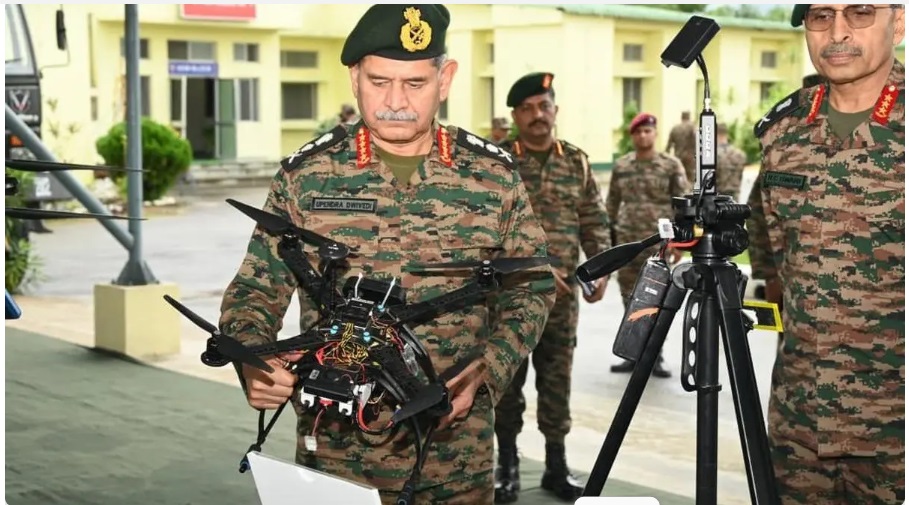
The Officer Commanding-in-Chief, Western Command, Lieutenant General Manoj Kumar Katiyar, General on 26 th February 2026, said the Indian Army is raising dedicated 'Ashin' drone platoons across infantry, artillery and armoured regiments to reinforce drone warfare competencies. According to the CO, specialized 'Bhairav' units will be tasked with deep operations in hostile territory, adding that the Army has rationalized its formations to recognize the growing standing of drones in contemporary warfare. He said that drone use is extremely important. Therefore, drone usage is being integrated across all units, right down to the smallest sub-units. The dedicated 'Ashin' drone platoons within infantry battalions have been created and similar specialized platoons will be raised in every regiment. Stressing operational readiness, he said that future conflicts might need swift action to protect troops and conduct precision strikes. These specialized battalions will further enhance the Army’s strike capability and special operations capability.   In the near future, small, agile teams that can operate independently and penetrate deep into enemy territory will be required, and the 'e Bhairav' units will be employed for processes deep inside enemy territories. Lt Gen Katiyar also revealed that most drones on display were manufactured in Western Command workshops. The Western Command has started fabricating drones within the Army itself and is producing them on a large scale. The Western Command understands its operational requirements and technology needs and can build them more efficiently in its workshops. Talking about Operation Sindoor, the Army Commander repeated that India had targeted terrorist bases, and when retaliated against, struck military and air bases in response.   Source: Business Standard

Saheel Singh 27 Feb 2026
UP Deputy CM Holds Key Engagements in Germany; Promotes Investment & Tech Collaboration
Drones Uttar Pradesh

UP Deputy CM Holds Key Engagements in Germany; Promotes Investment & Tech Collaboration

Uttar Pradesh’s Deputy CM, Keshav Prasad Maurya, emphasized the state’s growing economic potential on his visit to Germany. ​He said that the state is quickly becoming India’s second-largest economy because of improved ease of doing business, strengthened law and order and robust infrastructure development. ​ It was also noted that the UP’s growing expressway network, ongoing airport development and emerging industrial corridors are enticing the interest of global investors. ​ Deep bilateral cooperation between Germany and UP across key sectors, such as technological exchange, skill development, and manufacturing, was also discussed. ​ The deputy CM underlined the transformative journey of the state under PM Narendra Modi’s guidance, from a traditional UP to a dynamic enterprise state, and reaffirmed the government’s commitment to offer all possible support to international investors seeking opportunities in the region. ​ A strategic meeting with representatives from leading German-Israeli drone and aerospace firms, such as Quantum-Systems GmbH, System Helsing, Dronivo GmbH, SIA Origin Robotics and Aronia. ​ The companies briefed on their know-how in high-altitude drones, advanced aerial surveillance, defence-grade reconnaissance and drones with a range of about 160 kilometres. ​ Their technologies serve Spanish and German armed forces and support applications in precision agriculture, land surveying and disaster management. ​ The Government of Uttar Pradesh is formally inviting German firms to set up manufacturing units and R&D hubs in the state. ​ Details were also shared regarding investment-friendly policies, strong industrial infrastructure, superior logistics connectivity and a large, skilled workforce. ​ Maurya described UP as emerging as India’s leading hub for defence production, aerospace manufacturing and emerging technologies, with drones and unmanned systems forming an important part of future economic and security frameworks. ​ These kinds of investments will create high-skilled jobs for the state's youth while fast-tracking tech-driven growth by integrating the manufacturing of electronics, data, Artificial Intelligence and the drone ecosystem. Both sides reached a positive consensus on lasting collaboration in manufacturing, research, skill development, technical training and technology transfer. ​ This partnership between Germany and UP reinforces India’s aerospace and drone ecosystem and positions the state at the forefront of drone innovation. Source: Times of India

Saheel Singh 25 Feb 2026
half-star-solid phone