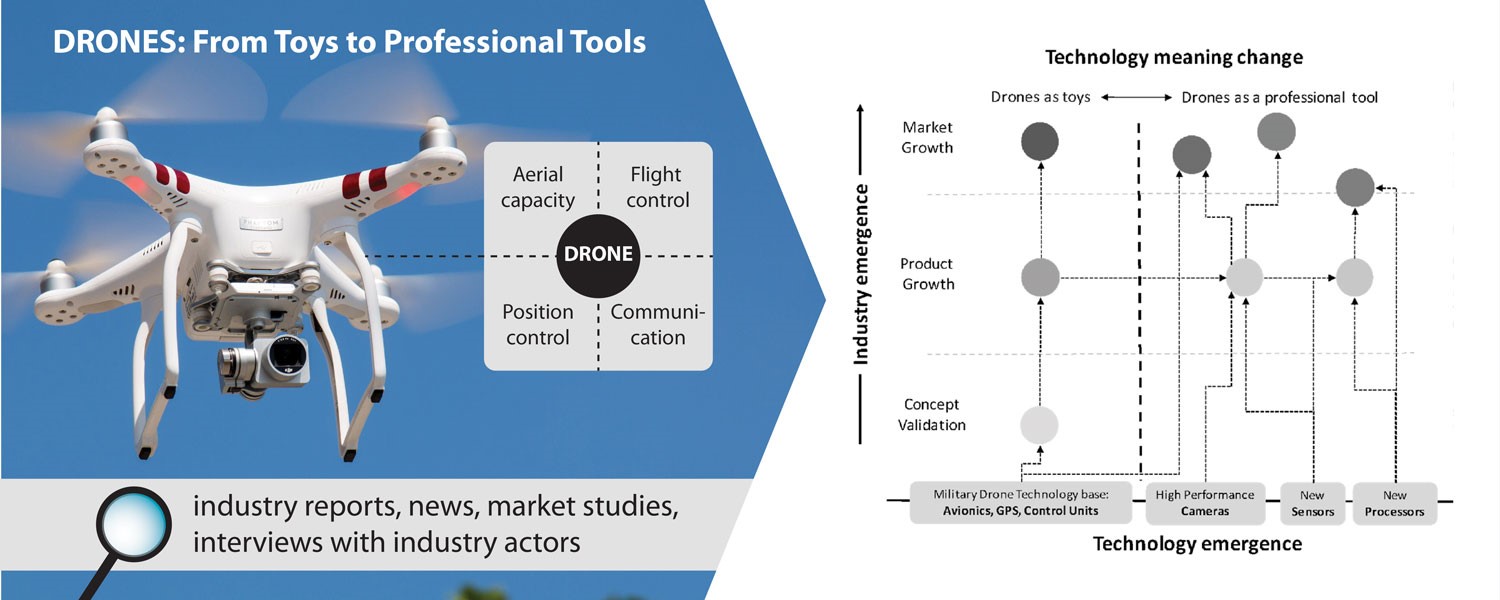
Evolution of Drone Design: From Toys to Industrial Tools
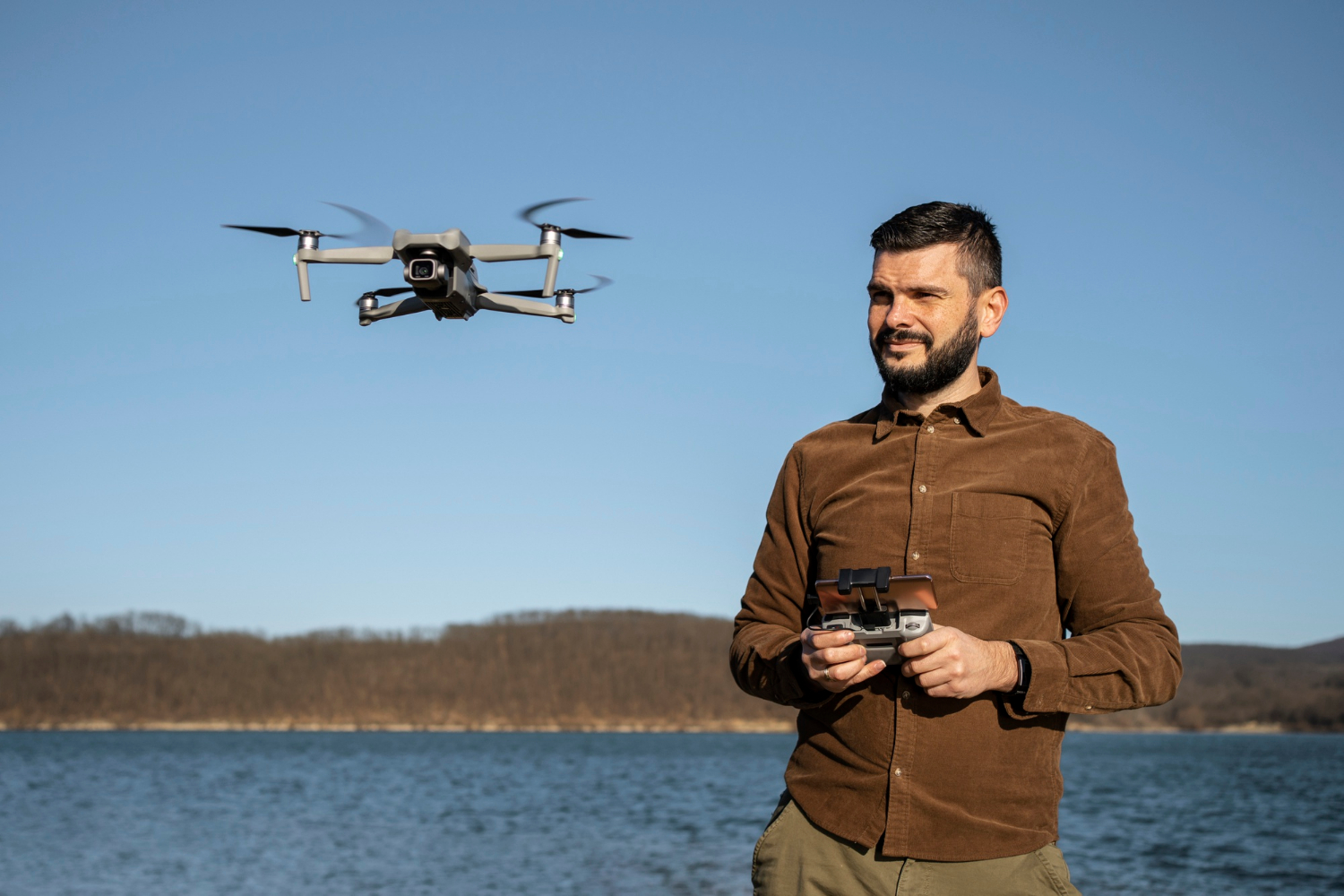
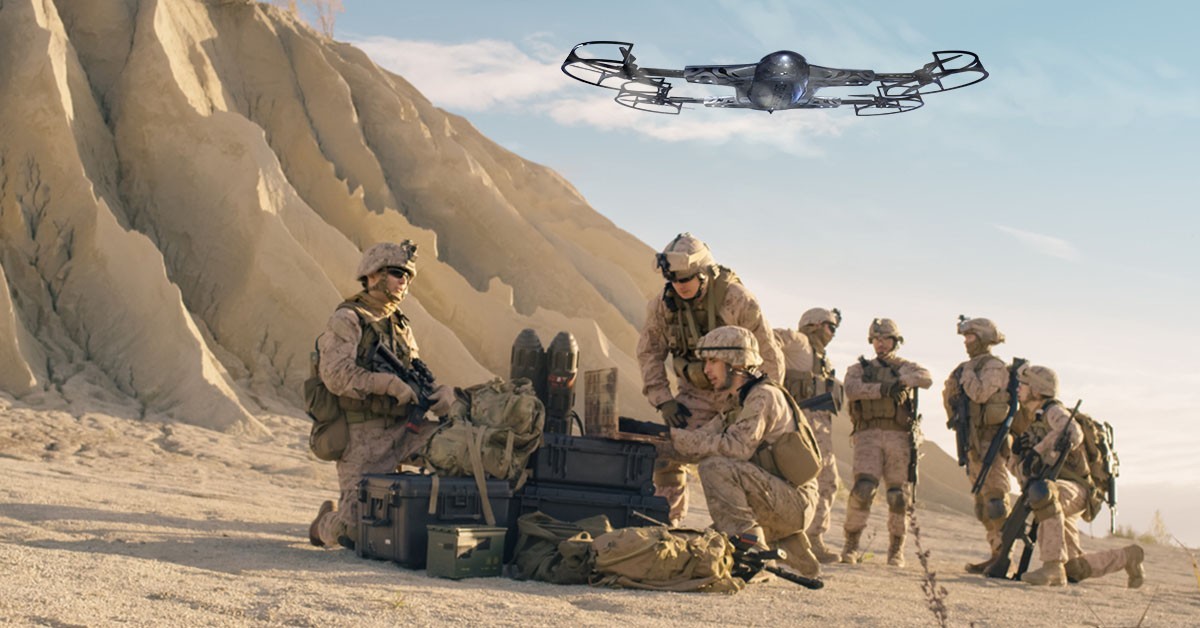
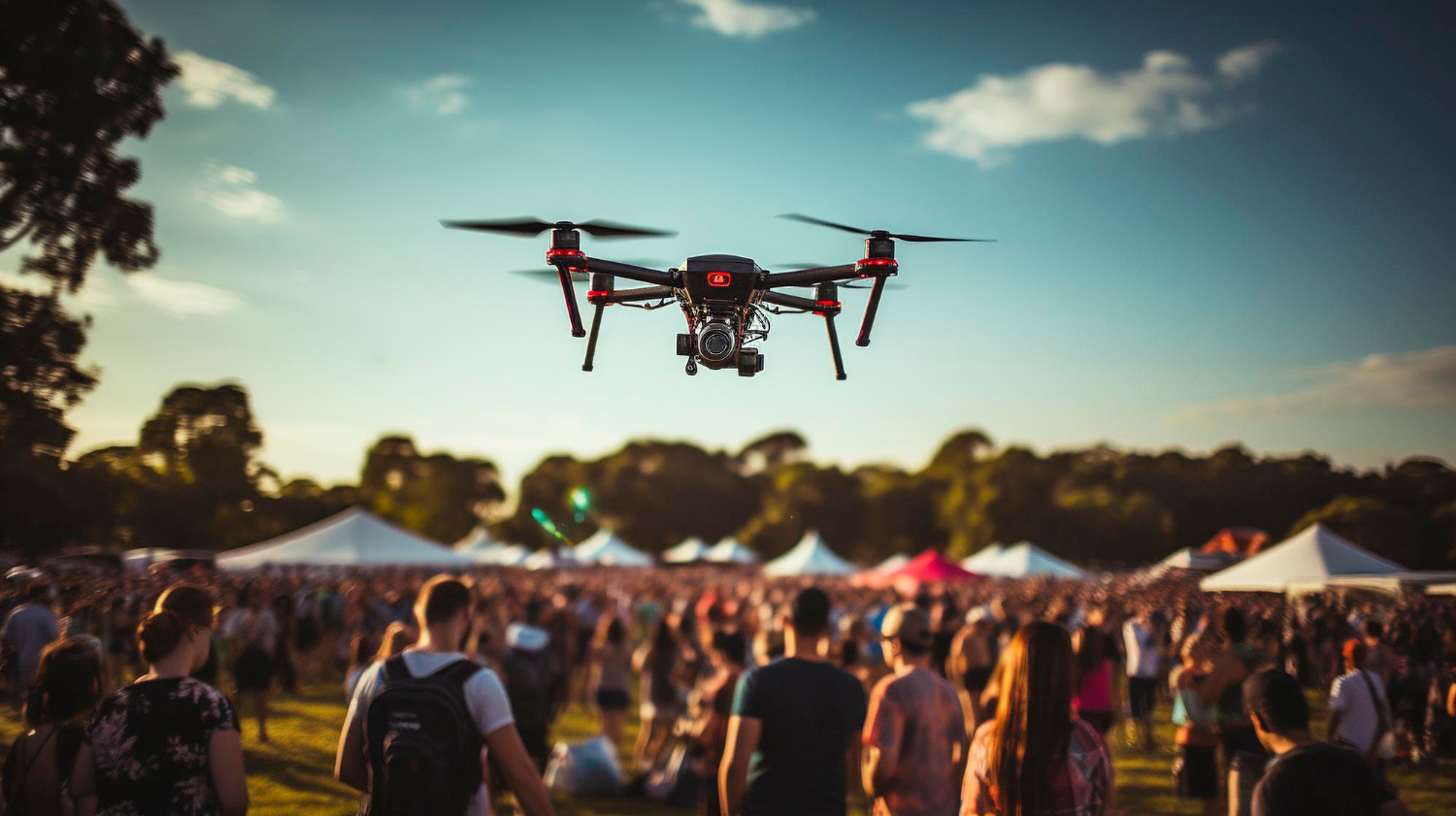
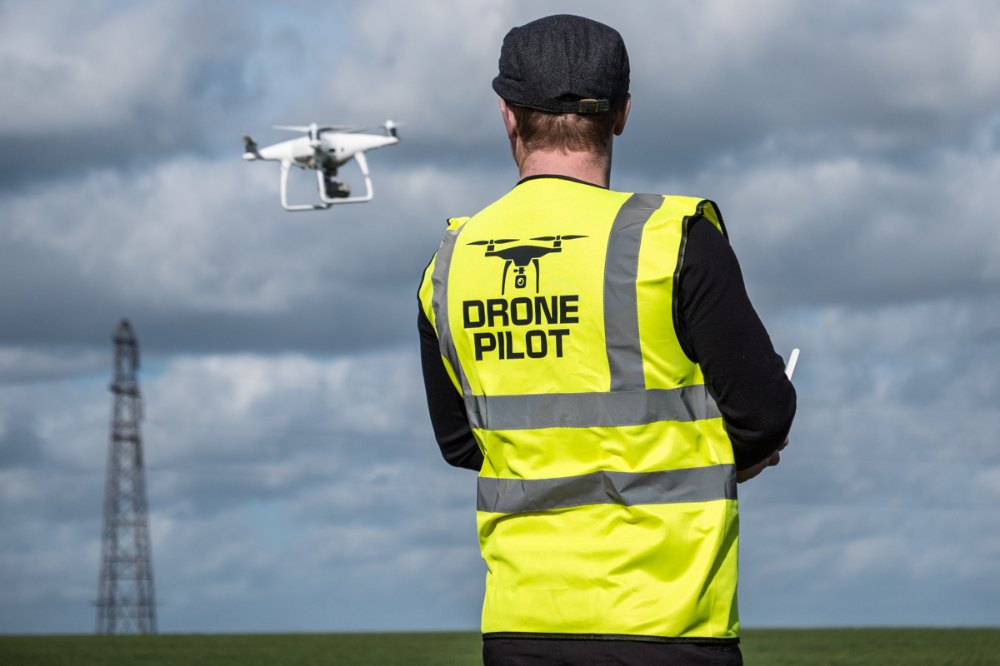
As drones become smaller and more maneuverable, law enforcement agencies are increasingly using them for enhanced safety and efficiency in their operations. From consumer models, such as the DJI Phantom’s GPS with GoPro action camera functionality, to enterprise-grade drones tailored precisely for police and first responders, law enforcement drones have been quickly accepted by all government agencies for law enforcement purposes. Civilian drones are significantly more economical compared to helicopter rentals for aerial photography and video production. Drone cameras have electronic speed controllers that manage motor speed and direction to stabilizing gimbals, mitigating vibration and wind for sharp images. Some autonomous drones can avoid obstacles. Others boast cutting-edge features, including AI that allows them to follow subjects while recording video with audio commentary, or even provide AR capabilities that overlay virtual objects onto the live feed from the drone. Drones are an indispensable military asset. While drones cannot replace human observation, their unique perspective lets commanders gain fresh perspectives and identify areas for improvement easily than before. Also, drones can gather intelligence about enemy locations. Military drones can carry out lethal strikes against targets, yet critics assert they violate international laws on extrajudicial, summary or arbitrary killing. Civilian drones have become predominant for leisure use, including capturing aerial photos. Drones can also be used to record videos, audiovisual productions or virtual real estate tours. As stated by FAA regulations and any specific rules of any local airfield or controlled airspace they are flying over, including keeping within visual range of their pilot at all times, while not flying above 500 feet.