How to Choose the Right Aviation Academy: A Comprehensive Guide
Aviation is a career that requires particular knowledge and skill, and choosing the right aviation academy is a significant step towards becoming a pi
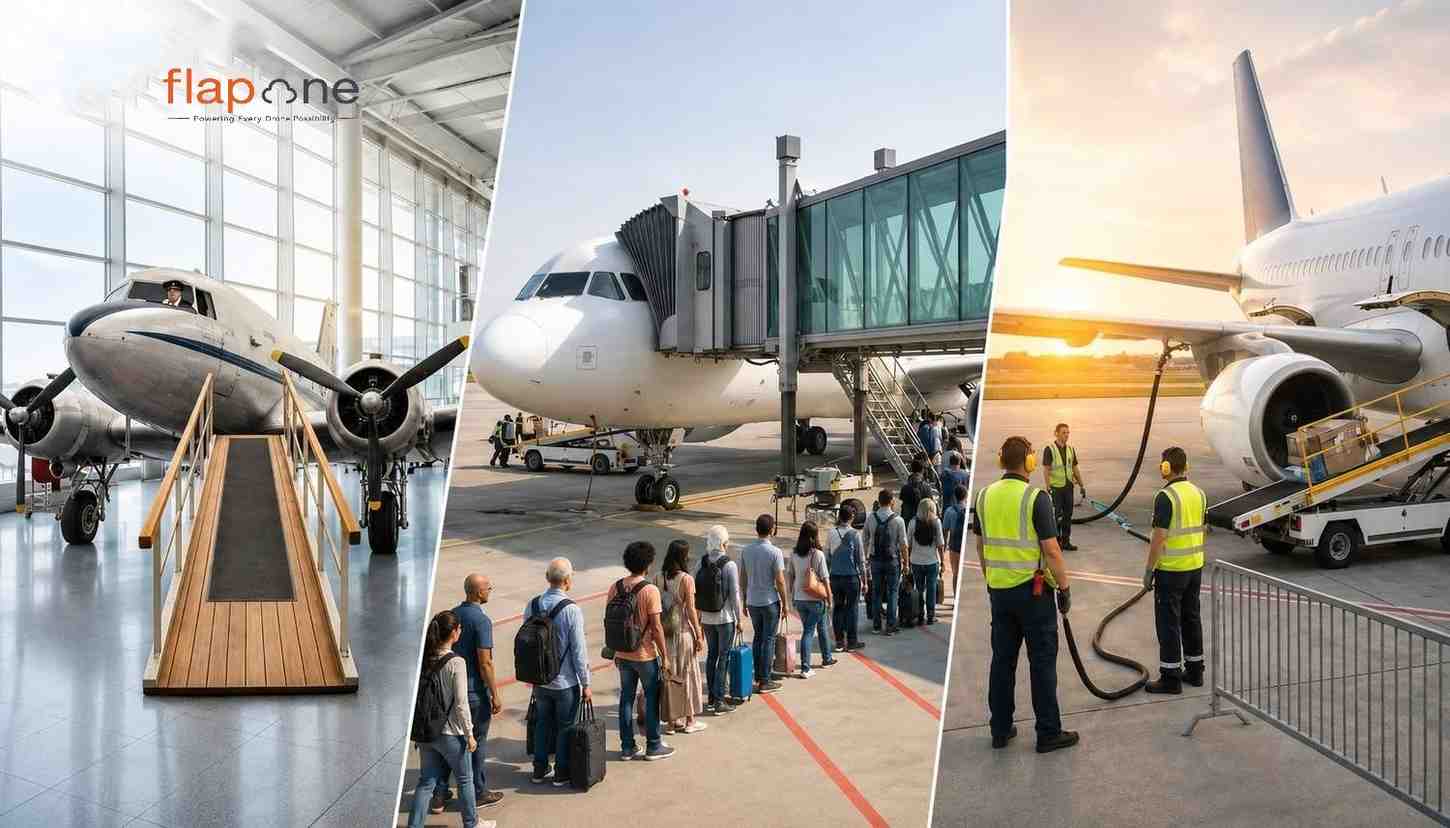
You have perhaps done it so many times that it hardly registers anymore. You walk through the gate, step onto the aircraft and instinctively turn left. It feels normal, nearly invisible. Yet the fact that passengers board flights from the left side every time is not random or cosmetic.
It happens because a mix of history, safety decisions, and airport practicality formed the basis for contemporary flying. Aviation has a variety of rules that came into existence because something went wrong once upon a time or because something once worked remarkably well. Left side boarding falls into the second category. It is a system that has lasted this long because it was able to address difficulties before most passengers realized that there were actually problems.
The story starts long before commercial aircraft took to the air. In the age of ships, the left side of a vessel was usually used for docking and boarding. This side was known as the port side. The right side had steering equipment, making it less suitable for regular boarding.
When aviation became popular amongst folks, early pilots and engineers relied heavily on maritime customs, as they were already familiar and practical. Boarding from the left felt natural and safe, so the habit followed aviation as it developed into a global industry.
An airport apron might look calm from a distance, but it is one of the busiest workspaces in transport. While passengers board, fuel is being pumped, luggage is being loaded, food carts arrive and upkeep checks are carried out.
Virtually all of this activity happens on the right side of the aircraft. Keeping passengers on the left reduces the risk of people walking near heavy machinery. This separation is not only about suitability. It is about safety and capability working together, so passengers are not required to think about it.
Pilots sit on the left side of the cockpit. This settlement goes back to early aviation and even earlier transport traditions. From this position, pilots have clearer visibility throughout taxiing and while positioning with the gate. Boarding from the left allows the crew to monitor procedures more easily as the aircraft is prepared for departure. During early flying, passengers come directly in contact with the pilots throughout boarding, reinforcing the habit of left-side entry.
With left-side boarding becoming common globally, airports all over the world built everything around it. Jet bridges align with the front left door. The passenger flow within terminals is directed in this direction. Training, safety procedures and boarding announcements all follow the same logic. Aviation depends heavily on consistency as predictability decreases errors. Changing boarding sides would mean redesigning systems that already work efficiently across many airports.
Fuel ports are located on the right wing of an aircraft. Cargo loading also takes place from the right side on most commercial planes. Keeping passengers on the opposite side reduces the risk of exposure to fuel vapours, moving vehicles and heavy equipment. These risks might be small, but aviation safety is built on reducing even the smallest chance of something going wrong.
Left side boarding stayed because it worked. It permitted ground crews to function without interruption, kept passengers safe and made airport operations predictable. Over time, it became so normal that most travellers stopped noticing it altogether.
Boarding a plane from the left side is just a small thing, but this small movement is an outcome of a lot of experience, problem-solving and real-world design. It is one of those systems that makes flying feel natural and unforced.
If you want to build a successful career in aviation and become a skilled pilot, FlapOne Aviation provides professional training designed to help you achieve your goals. Our experienced instructors combine classroom learning with practical knowledge of aircraft systems, flight operations, engines, wings, lift, and thrust, ensuring you develop a strong foundation in aviation. With high-quality training, modern facilities, and excellent value, we help aspiring pilots gain the confidence and expertise needed to take every plane safely into the skies.
From selecting the right drone to finding a course, our team can guide you through every step of your drone journey.