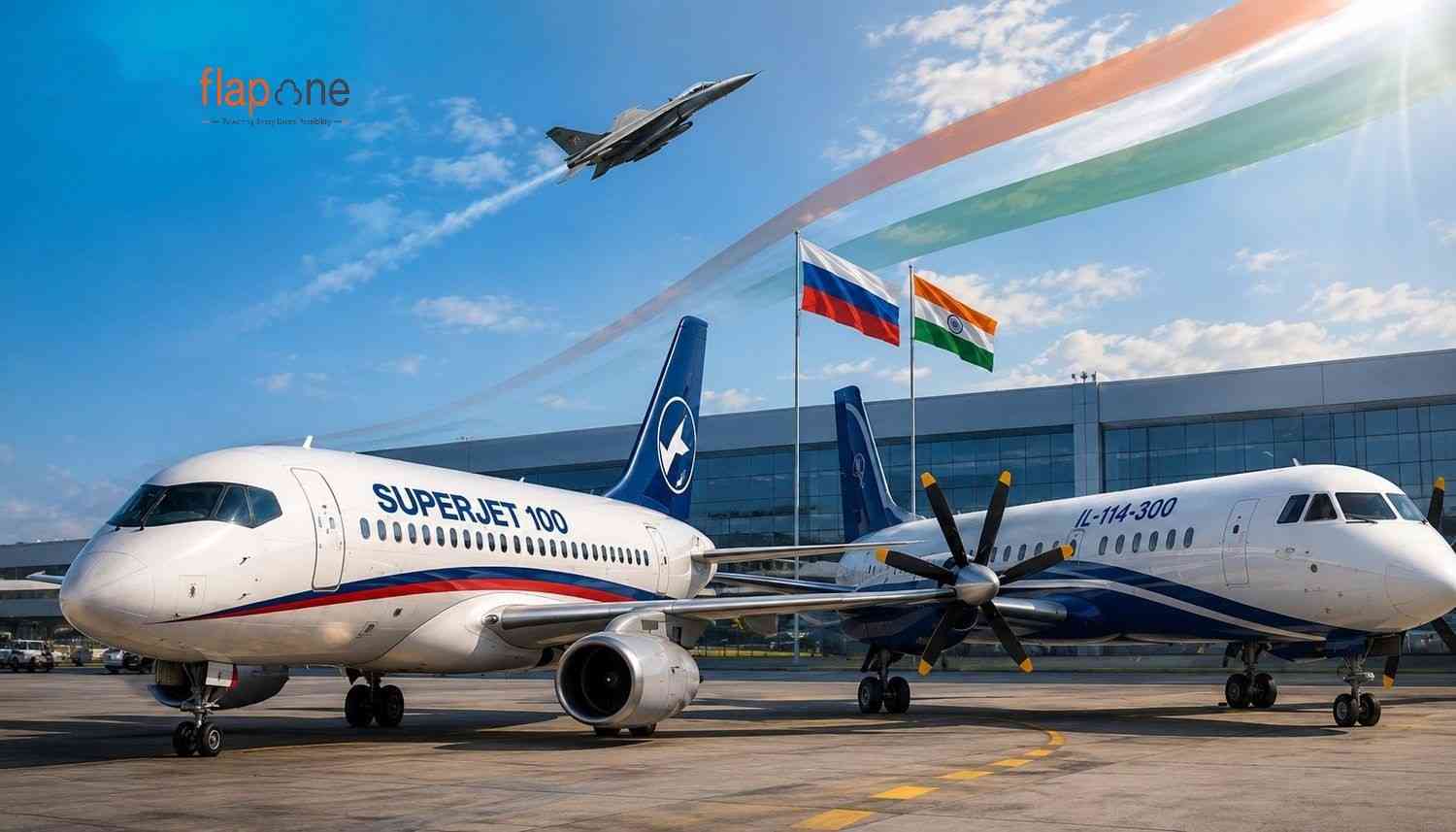
Russia’s Superjet 100 and Il-114-300 Passenger Aircraft to be Showcased for the First Time in Wings India 2026
With a view to strengthening ties between the two close friends, India and Russia, Moscow has provided India with its Superjet-100-cla
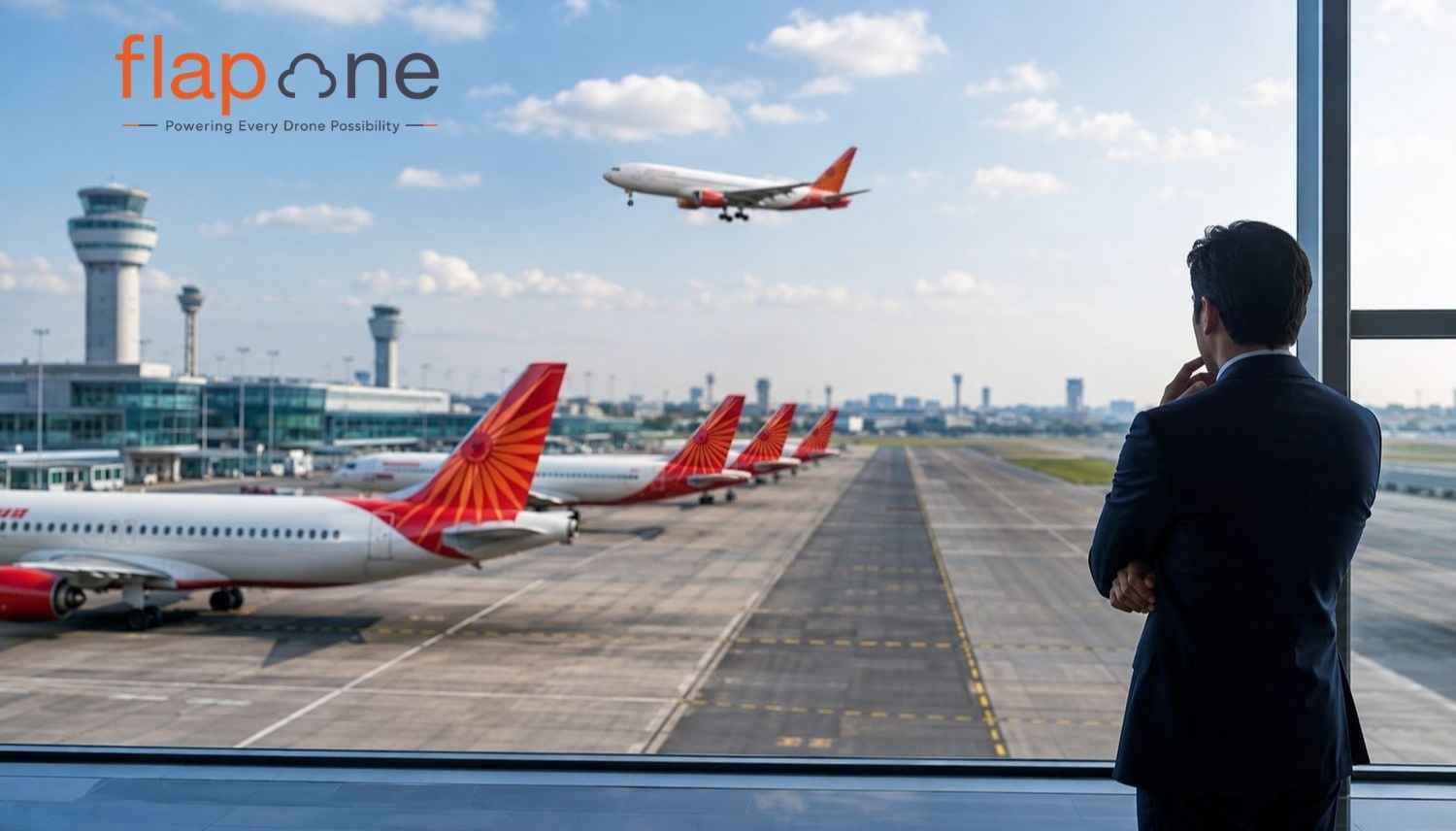
Indian airports descended into chaos recently, with many flights cancelled by Indigo, the largest airline in India, toppling travel plans for passengers.
Air India, which is the main competitor to Indigo, is trying to cope with these issues on its own. In 2025, one of its planes crashed, killing all of its 242 passengers on board. And recently, Canadian authorities ordered the airline to examine a pilot who failed two breathalyzer tests before departure. The Tata Group, which owns Air India together with Singapore Airlines, is considering replacing Chief Executive Campbell Wilson to accelerate the airline’s reversal.
If the government succeeds in its plans of bringing five new airlines on board, there are endless opportunities for future pilots and other people associated with them. Let us examine the possibilities and how much time it will take for this to come to fruition in this blog.
Over the past 10 years, India's aviation industry has been pulsing, with several carriers competing fiercely. Many, though, were unable to sustain themselves because of rising costs and ultimately became overburdened with debt.
Kingfisher, Jet Airways, Sahara Airlines, GoAir, Deccan, ModiLuft, etc., have shut down in India over the last 30 years. Indigo survived by sticking to a low-cost model. This eventually helped it to capture a considerable market share.
Until 2022, Air India was state-owned, with taxpayer funds covering losses. After its privatization, the Tata Group and Singapore Airlines launched a “multi-year transformation programme” at Air India.
SpiceJet, with a 2.7% market share, has repeatedly toyed with bankruptcy since its inception.
The Indian airline market has been a difficult terrain, as is clear from multiple airline entries and exits, including over 15 airline bankruptcies over the past 20 years.
Pressure on both costs and revenues remains the sector’s major obstacle. Major Indian airlines get approximately 65% of their revenue from domestic travel, which is paid in Indian rupees. A smaller portion of the revenue of the airlines in India is dollar-based. Most expenses are paid in U.S. dollars. These expenses are lease rentals, aircraft maintenance and the purchase of spare parts, making the airline prone to fluctuations in currency value.
With the Indian rupee developing as Asia’s worst-performing currency against the dollar in 2025, and expected to weaken further, operating costs will rise. High costs of fuel add to the strain. They comprise 40%-50% of airline costs in India, well above the global average of around 30%, due to high state-level taxes on aviation turbine fuel.
Even with rising costs, there is little room for airlines to pass them on to passengers without seeing a dip in demand. Even in a monopoly market, airlines have to struggle to increase fares. Airport charges are also increasing as many terminals across the nation are being built or upgraded. India currently has 163 airports, but it hopes to more than double that number, up to 400, by 2047, as part of the UDAN scheme, aiming to make air travel more accessible and affordable for more Indian citizens.
The government scheme focuses on building regional connectivity in remote areas by connecting underserved airports and introducing subsidized fares on select routes. With the exception of Indigo, every other operator has struggled to stay profitable, citing prohibitive costs as a key reason why key airlines in India, such as Jet Airways and Go Air, have collapsed.
Given the challenges of sustaining airlines and the fragile finances of those still working, India's effort to make flying routine for ordinary citizens might prove harder to take off than policymakers expect.
With the Indian government planning to introduce five new airlines, the number of commercial pilots in the country will increase. If you also want to be one of those pilots, it is important for you to learn to pilot an aircraft and obtain a drone pilot certification. To do this, you can come to us at FlapOne Aviation to learn about both the practical and theoretical aspects of aviation.
From selecting the right drone to finding a course, our team can guide you through every step of your drone journey.