Airbus
Commercial Pilot
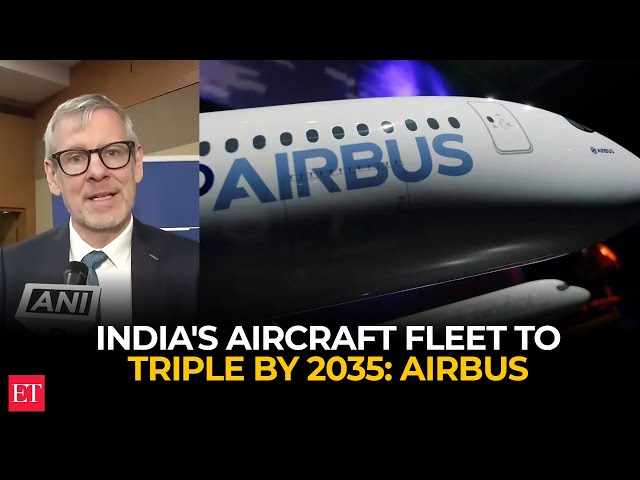
Airbus Predicts that India's Fleet will Triple to 2,200 Aircraft in the Next 10 Years
India is on the way to
growth and the rising middle class is a result of that. Of the country's total
population, approximately 38% is middle class. As the economy grows and purchasing power rises, how people travel is changing. More people are
choosing air travel for faster, more convenient travel. As demand for air
travel increases, the fleet will also grow, as Airbus projects for India.
Now,
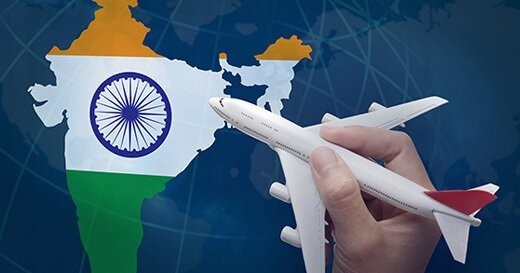
let us see what the leading airline company predicts for India. According to Airbus, India’s commercial aircraft fleet will
nearly triple to about 2,200 planes in the next ten years, reinforced by rapid
traffic growth, airport development and growing airline capacity, Jürgen
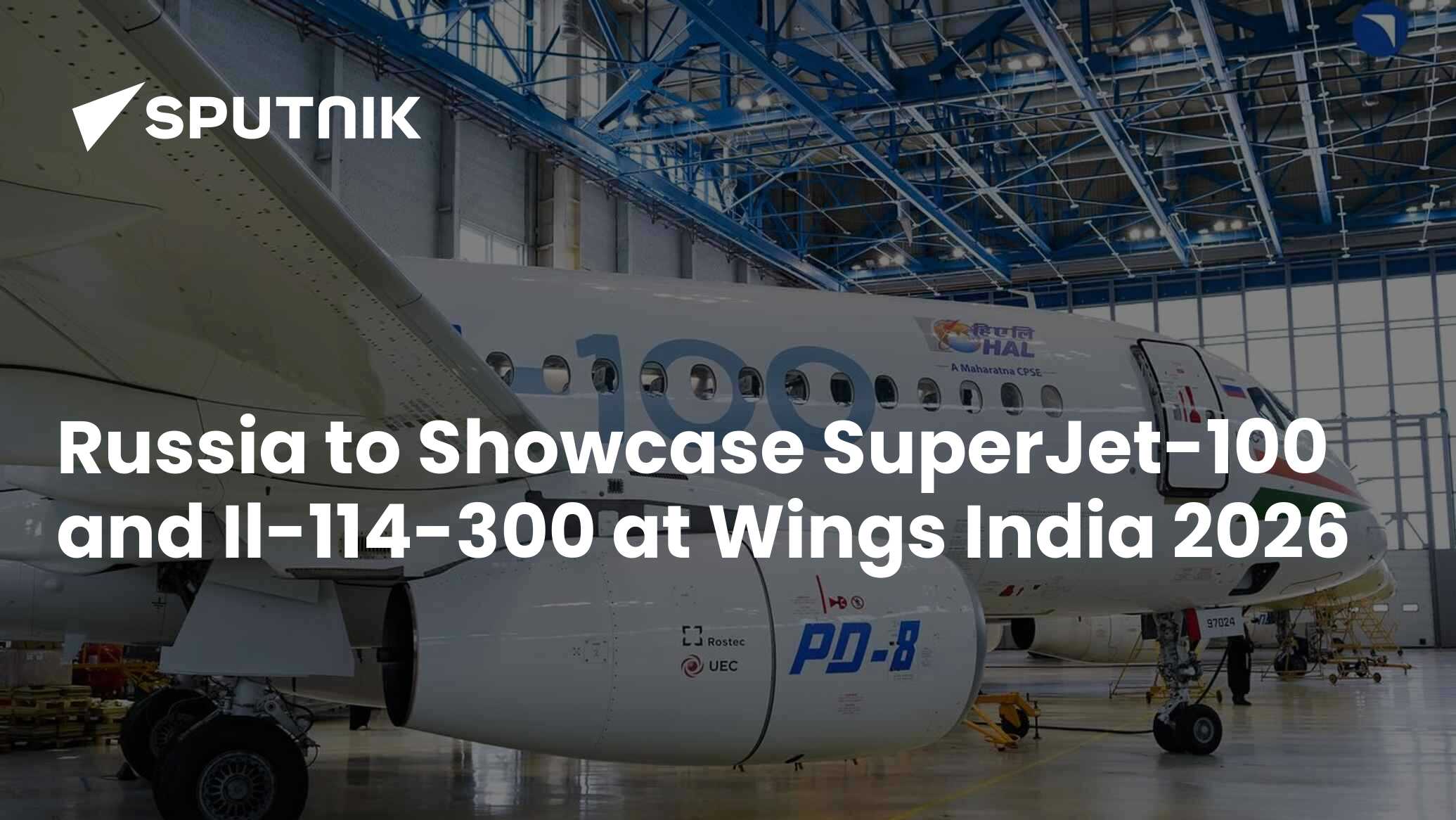
Westermeier, president and MD, Airbus India and South Asia, said at Wings India
2026 in Hyderabad. India is an important market for Airbus, where we deliver
over 10% of our annual production, and this share is expected to grow.
India currently operates about 850 commercial aircraft .
According to Airbus’s India market outlook, passenger traffic will grow at
about 9% annually over the next 10 years, with trips per capita increasing from
about 0.13 today to roughly 0.29 by 2035. India is currently the third-largest,
having risen within 10 years. Annual originating passenger trips will reach
about 400 million over the period.
Saheel Singh
01 Mar 2026